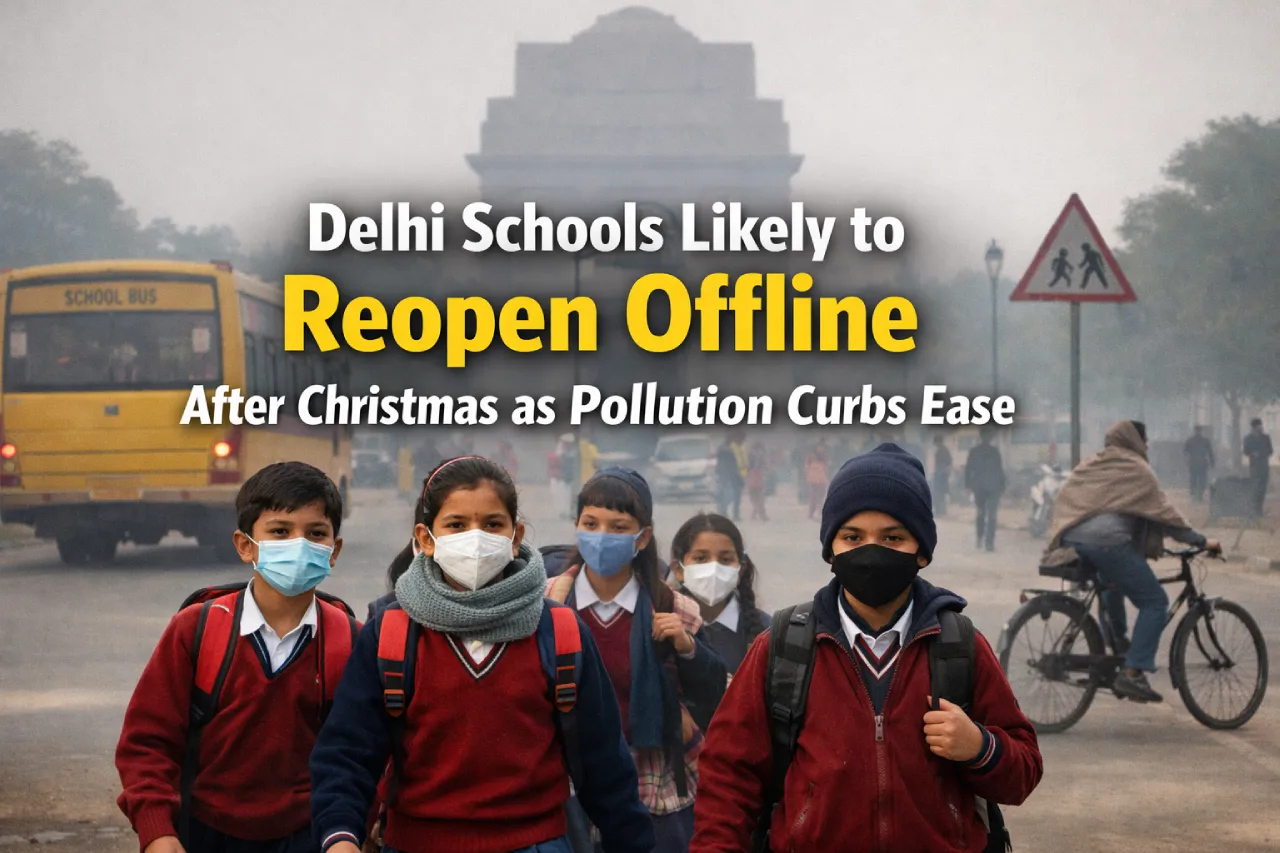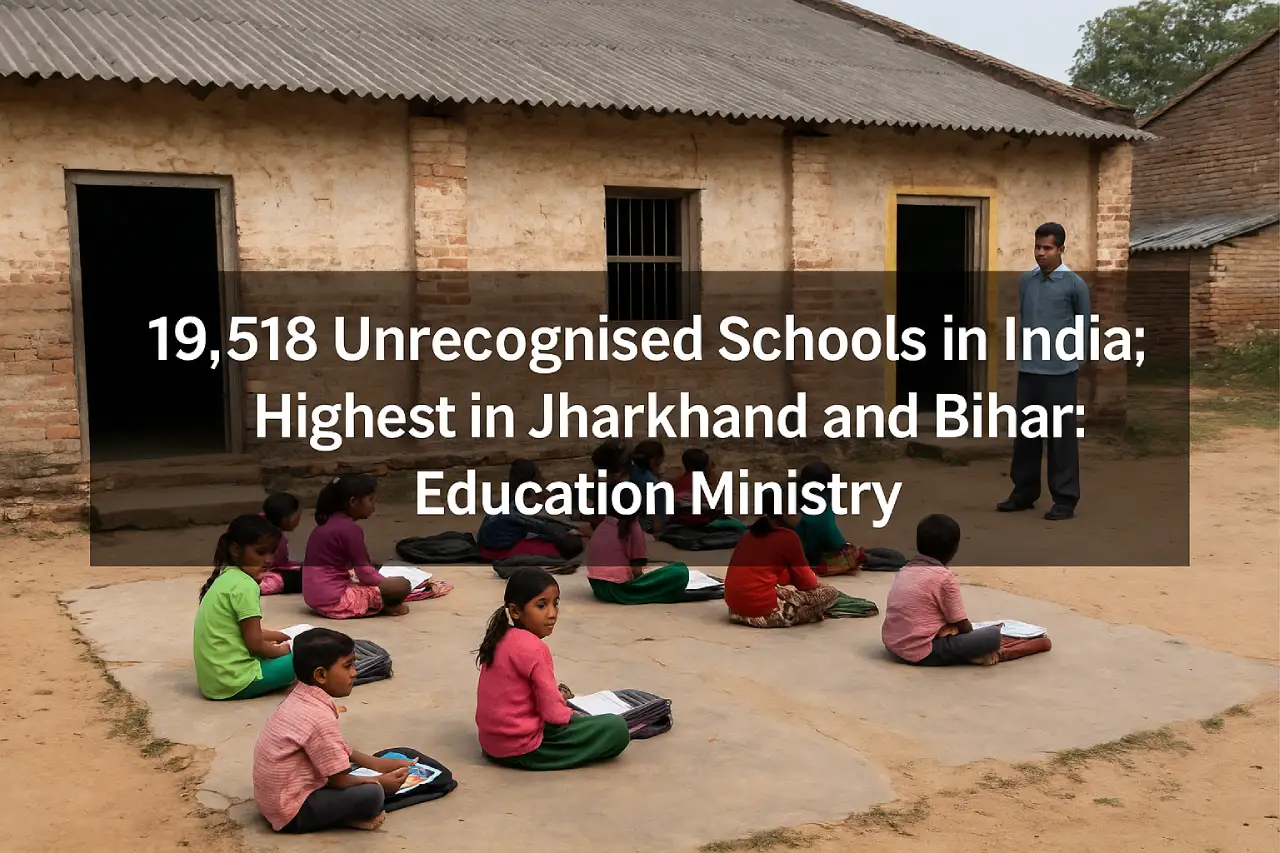
The education ministry has released new data revealing that India has 19,518 schools operating without official recognition. These are institutions that function without meeting basic norms related to infrastructure, teacher qualifications, safety standards or academic guidelines mandated by the law. Among all states, Jharkhand has the highest number of unrecognised schools, followed by Bihar and Assam. Karnataka, Madhya Pradesh, Uttarakhand and Chhattisgarh, on the other hand, have reported the lowest numbers in this category.
Many families choose such schools due to affordability or lack of good alternatives nearby, without realising that these institutions neither guarantee valid certificates nor meet required safety and quality norms. This creates a situation where children are being taught, but their education remains unofficial and unprotected. Understanding these numbers is important because it reflects both a gap in regulation and a deeper challenge of educational access in underserved regions. If we want a fair education system, it must provide quality learning along with safety, recognition and accountability.
States with Highest Number of Unrecognised Schools
According to the ministry’s data, these states have the largest number of schools running without recognition:
- Jharkhand: 5,701 unrecognised schools
- Bihar: 4,159 unrecognised schools
- Assam: 2,475 unrecognised schools
These schools often operate in areas where government or recognised private schools are scarce. Parents prefer them due to low fees or easy access, even though they lack compliance with required norms.
Where the Numbers Are Lowest
States with the least unrecognised schools are:
- Karnataka
- Madhya Pradesh
- Uttarakhand
- Chhattisgarh
These states have better monitoring policies and relatively stronger implementation of recognition norms. It also reflects better access to recognised schools in many districts.
Why Do Unrecognised Schools Operate?
Several reasons allow such institutions to keep functioning:
- Lack of nearby government schools in remote areas
- Expensive private schools in urban pockets pushing parents toward cheaper options
- Delayed or difficult approval processes for schools seeking recognition
- Weak monitoring and local enforcement
In many cases, these schools fill a need but fail to meet legal standards.
Risks for Students Studying in Unrecognised Schools
Students enrolled in such schools face several challenges:
- Certificates may not be valid, affecting admission to higher classes
- Poor infrastructure may compromise safety
- Untrained teachers can lead to weak learning outcomes
- No accountability for academic performance or student protection
Parents may save money in the short term but risk their children’s future in the long run.
What Can Government and Schools Do?
To address this issue fairly, steps should include:
- Making recognition procedures simpler and quicker
- Providing financial support to schools willing to upgrade facilities
- Strict monitoring but without shutting down schools that serve remote areas abruptly
- Promoting community awareness about the importance of recognition
A balanced approach can protect children without removing access to education in underserved districts.