JOIN WHATSAPP
STORIES

Why Vocational Education is Key to India’s Vision 2047: Tata Motors’ Vinod Kulkarni

Why Vocational Education is Key to India’s Vision 2047: Tata Motors’ Vinod Kulkarni

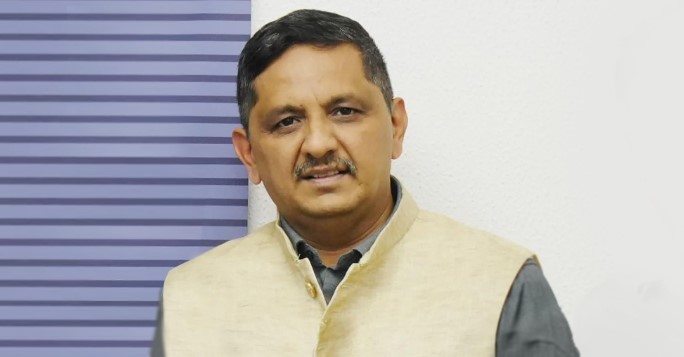
Vocational education must become the backbone of India’s growth story if the country is to achieve its 2047 goals, said Vinod Kulkarni, CSR Head at Tata Motors. Speaking on India’s roadmap for becoming a developed nation by 2047, he highlighted that equipping youth with practical skills, beyond traditional degrees, is the need of the hour. Kulkarni stressed that vocational education can bridge the gap between industry requirements and academic learning, ensuring employability and sustainable livelihoods for millions.

I believe this issue is important because India stands at a critical juncture. With its massive youth population, the country has the demographic advantage, but only if we prepare them with the right skill sets. Degrees alone no longer guarantee jobs; industries seek hands-on skills that can add value immediately. Vocational education, from auto engineering to healthcare support, holds the potential to unlock opportunities for rural and urban youth alike. Discussing this topic also helps us understand how companies, governments, and institutions must collaborate to create a strong skill ecosystem for India’s future.

Why Vocational Education Matters

  • Bridging Skill Gaps: Industries often struggle to find skilled workers despite high unemployment. Vocational education can fix this mismatch.
  • Boosting Employability: Students trained in practical skills are more likely to secure jobs quickly.
  • Supporting Innovation: Hands-on training nurtures problem-solving abilities, essential for entrepreneurship.
  • Inclusive Growth: Vocational programmes can uplift marginalised communities by making them job-ready.

Industry’s Role in Driving Change

Kulkarni pointed out that industries like Tata Motors are already investing in skilling initiatives, especially in rural India. By working with ITIs, skill centres, and NGOs, the company has trained thousands of youth in automobile repair, mechatronics, and related trades. Such partnerships ensure that training remains relevant to real industry needs.

The Road Ahead for India 2047

To achieve its 2047 vision, India must:

  • Integrate vocational training into mainstream education from school level
  • Encourage public-private partnerships for large-scale skilling programmes
  • Create stronger awareness among parents and students about the value of vocational careers
  • Use technology and digital platforms to expand training access
Leave a Comment

End of Article

The Pride of Uniform Meets the Future of Tech: Nagpur to Become NCC’s ‘Power House’ under Major General Vivek Tyagi’s New Vision

The Pride of Uniform Meets the Future of Tech: Nagpur to Become NCC’s ‘Power House’ under Major General Vivek Tyagi’s New Vision

Umesh Varma (Senior Photojournalist)
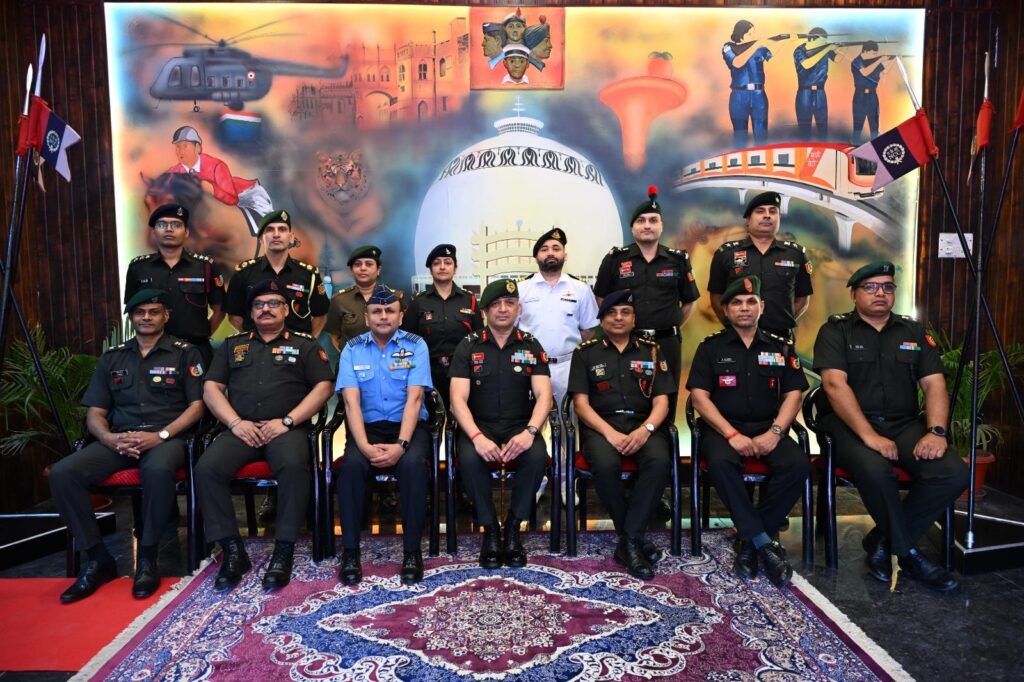
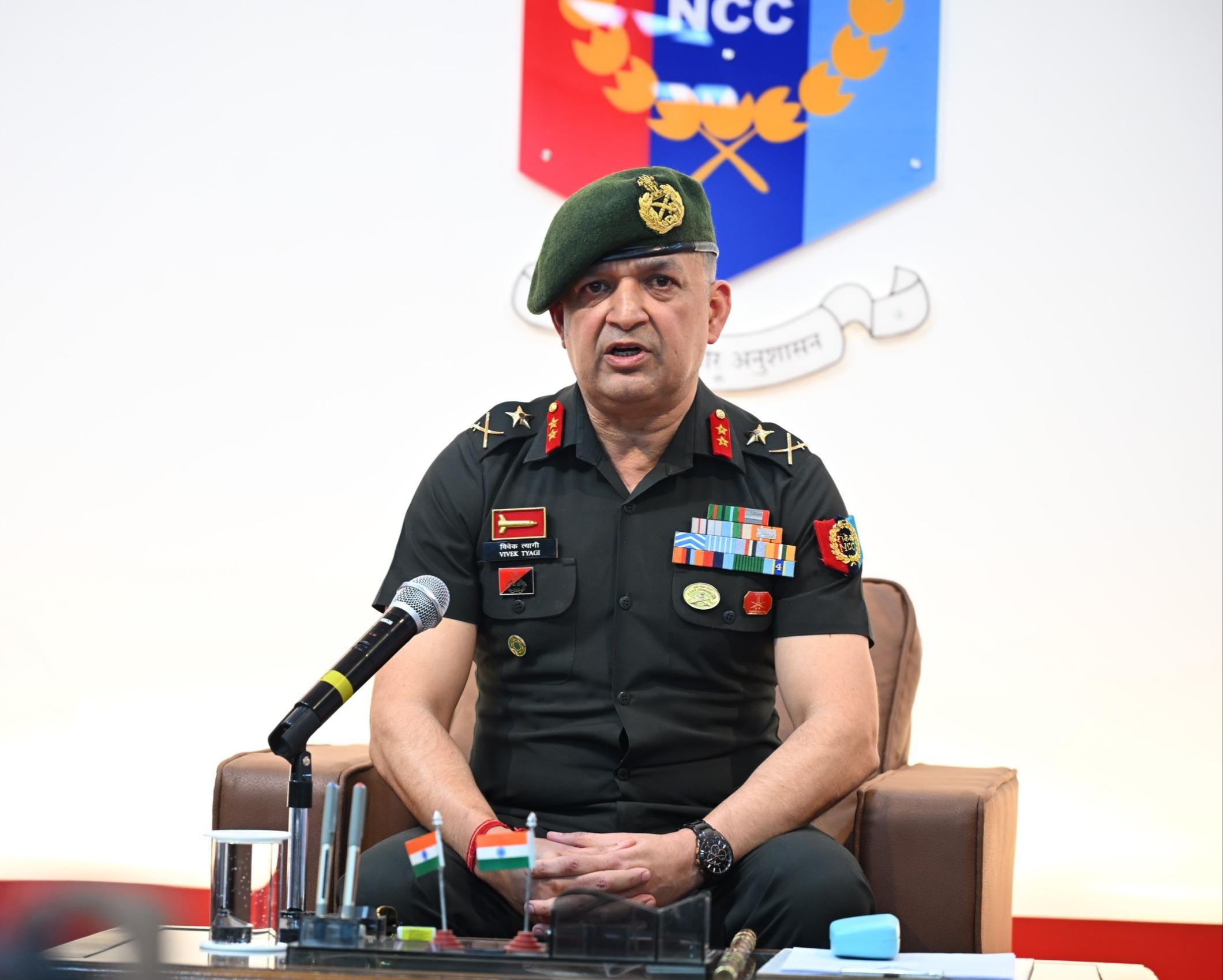
Nagpur | April 29, 2026: “Mastering Drones and Cyber Security is not just the geographical heart of India; it is now set to become the ‘Center of Excellence’ that will give wings to the dreams of NCC cadets across the nation.” These inspiring words were shared by Major General Vivek Kumar Tyagi, Additional Director General (ADG) of NCC Maharashtra, during a special press conference held today. On the first day of his three-day administrative visit, the Major General unveiled a transformative roadmap for the youth and the future of the NCC.

Mastering Drones and Cyber Security

Major General Tyagi announced that a state-of-the-art ‘Drone Training Academy’ is being established in Nagpur. This academy will be unique as it focuses on creating ‘Master Drone Trainers’—cadets and instructors who will go on to train others across various divisions in India. Recognizing the digital age’s challenges, he also highlighted a dedicated ‘Cyber Awareness’ initiative and tech-based skilling, ensuring that cadets are not just physically fit but technologically superior and ready for the future.

Nagpur: A Nursery for Future Officers and Leaders

The Pride of Uniform Meets the Future of Tech: Nagpur to Become NCC’s ‘Power House’ under Major General Vivek Tyagi’s New Vision

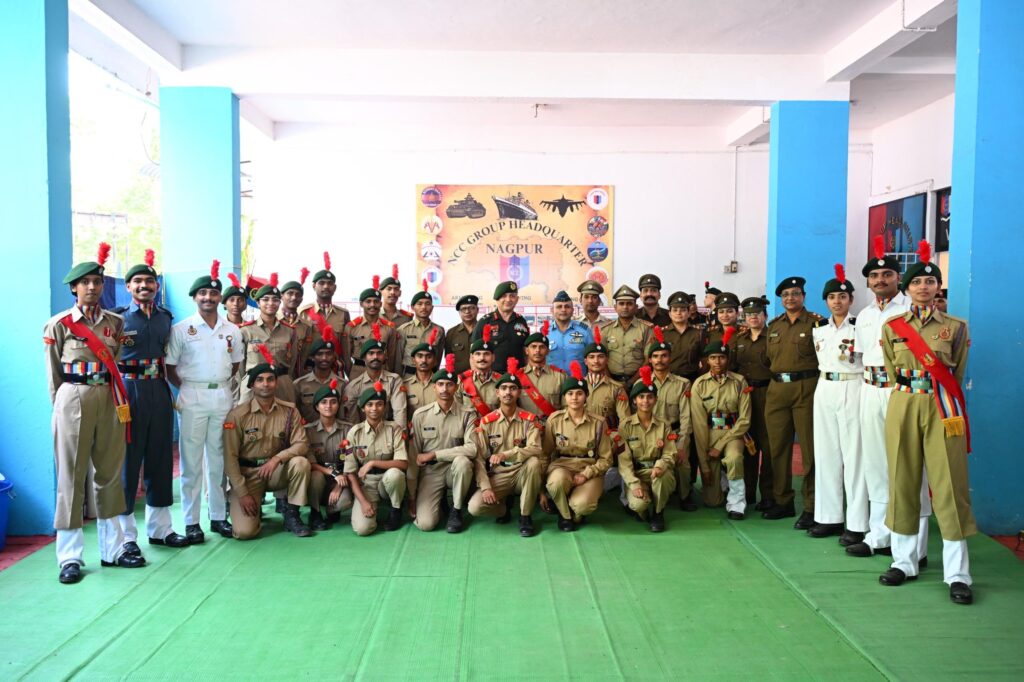
The Major General expressed immense pride in the dedication of Nagpur’s youth. He revealed that in just the past few months, 12 to 14 cadets from Nagpur alone have successfully cleared their boards to join the Armed Forces as officers. Whether through the Agniveer scheme, the Armed Forces, or the Maharashtra Police, NCC cadets are leading the way with the motto of ‘Nation First.’ He also noted that the training of civil staff, such as Girl Cadet Instructors (GCI) and Caretaker Officers (CTO) at the Officer Training Academy (OTA) in Kamthi, is playing a pivotal role in expanding the NCC’s reach

Meeting the Surge in Demand: 160 Institutions on Waiting List

The growing craze for the NCC among today’s youth is evident: currently, 160 schools and colleges in Nagpur are on the waiting list to start NCC units. To meet this demand, Major General Tyagi called upon the State Government for support in building a World-Class NCC Academy in Nagpur. He emphasized that the goal is not just to reach the milestone of 1.5 lakh cadets, but to reach the most remote areas of Maharashtra, transforming every student into a confident, resilient, and patriotic leader.

Empowering Daughters and Global Exposure

The Pride of Uniform Meets the Future of Tech: Nagpur to Become NCC’s ‘Power House’ under Major General Vivek Tyagi’s New Vision

A significant highlight of the briefing was the rising strength of women in the corps, with the gender ratio now approaching 60:40. Through the ‘Youth Exchange Program,’ cadets are also interacting with international students, gaining global perspectives and representing India’s diversity. Major General Tyagi concluded by stating that the NCC is more than just a career path; it is a workshop that builds character, discipline, and the best version of a human being.

Leave a Comment

End of Article

Loading more posts...