JOIN WHATSAPP
STORIES

Is Law the Right Career for You? 2025 Student Guide

Is Law the Right Career for You? 2025 Student Guide

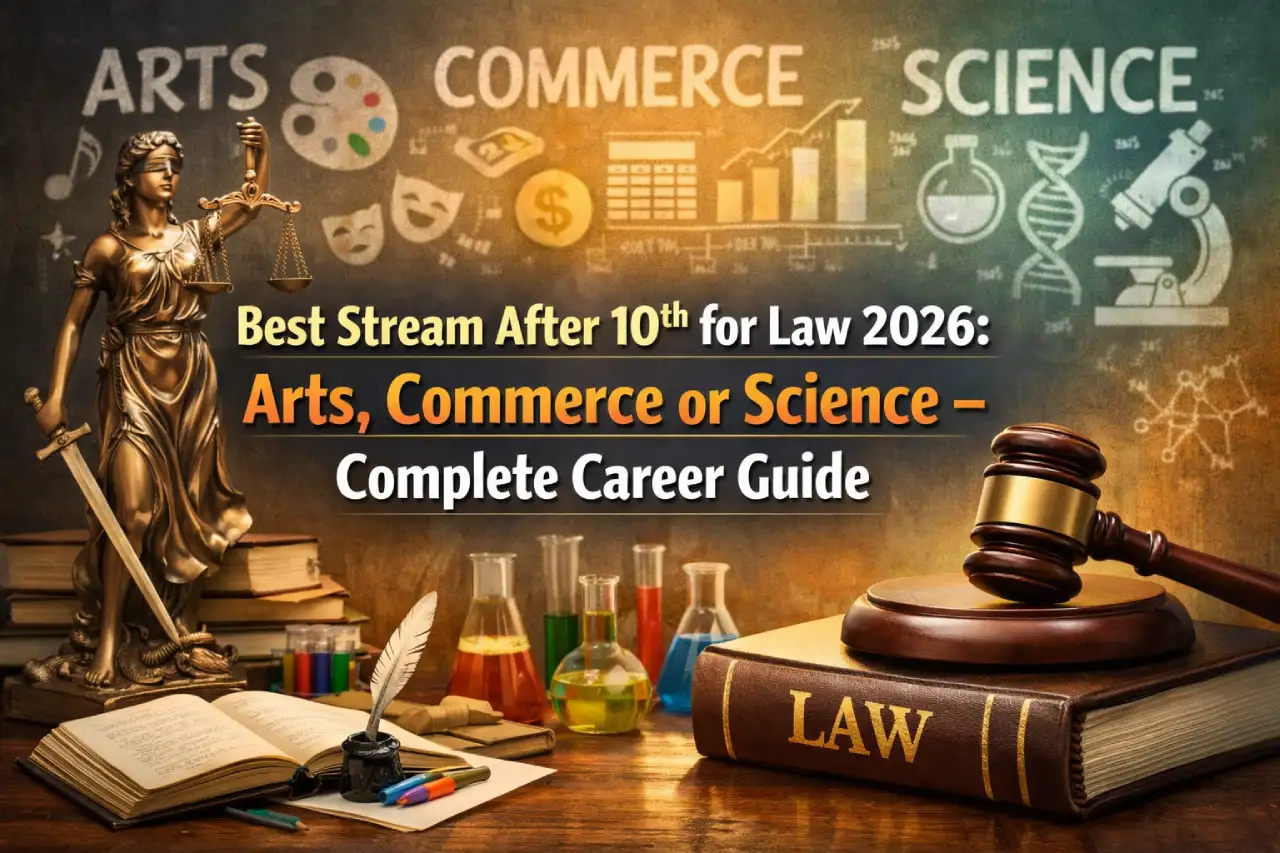
Choosing a career in law is a major decision that can shape your future. Law is not just about memorising rules; it’s about understanding society, justice, and problem-solving. Many students are drawn to law for its potential to create impact, provide diverse career options, and offer opportunities for personal growth. Whether you aim to become a lawyer, legal advisor, or policy maker, it’s important to evaluate whether this stream matches your skills and interests before committing to it.

I am writing about this topic because many students feel unsure when deciding if law is the right path for them. Law requires logical reasoning, strong communication, and the ability to analyse complex situations. Understanding these requirements can help students make informed choices and avoid unnecessary stress in the future. This guide aims to highlight key considerations, skill sets, and practical tips that can help aspiring students decide whether a law career aligns with their strengths and long-term goals. Choosing a stream wisely early on can save time, effort, and provide a clear direction for academic and professional success.

Key Indicators Law Might Be Right for You

  • Interest in Justice and Society: If you are passionate about rights, fairness, and the functioning of legal systems, law could be a strong fit.
  • Strong Communication Skills: Lawyers need excellent writing, speaking, and negotiation skills to argue cases and draft documents.
  • Critical Thinking: Law requires analysing cases, spotting loopholes, and providing logical solutions.
  • Patience and Perseverance: Legal cases can be lengthy, so a patient mindset is essential.
  • Problem-Solving Ability: Lawyers often help resolve conflicts and need creative strategies for complex problems.

Career Options in Law

  • Legal Practice: Becoming an advocate or lawyer in courts.
  • Corporate Law: Advising companies on contracts, compliance, and business regulations.
  • Judiciary: Preparing for judicial services to become a judge.
  • Public Policy and Governance: Working with NGOs, government bodies, or policy think tanks.
  • Academia: Teaching law or conducting research at universities.

Tips for Students Considering Law

  • Explore the Field Early: Attend law seminars, read case studies, or speak with professionals.
  • Build Communication Skills: Participate in debates, elocution, or mock trials.
  • Focus on Research Abilities: Law demands detailed reading and evidence-based reasoning.
  • Stay Updated: Keep track of current affairs, legal developments, and landmark cases.
  • Self-Assessment: Reflect on whether your skills, interests, and personality align with the demands of the profession.


Leave a Comment

End of Article

Career vs Job Explained Clearly: Key Differences, Examples and How to Choose the Right Path

Career vs Job Explained Clearly: Key Differences, Examples and How to Choose the Right Path

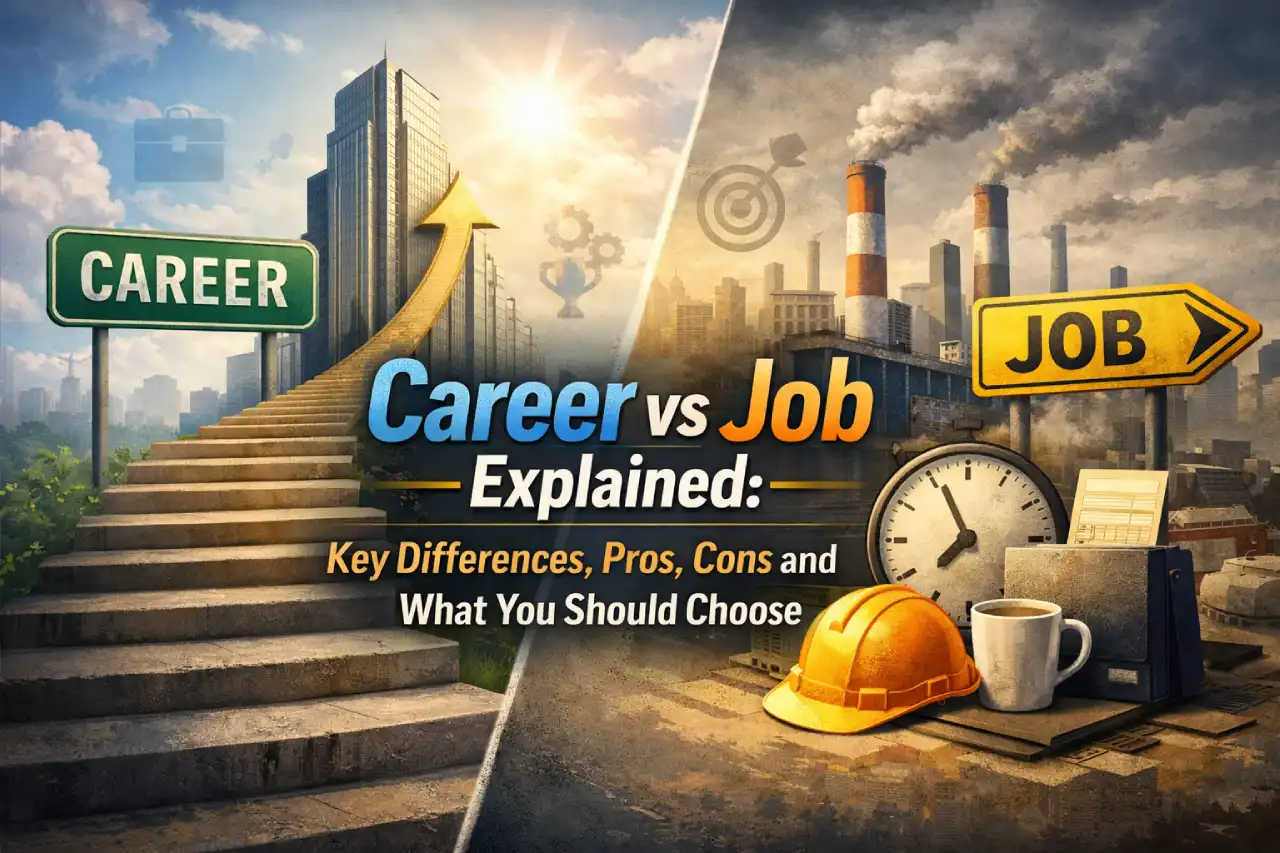
If you are confused between a job and a career, you are not alone. Many people use these two words interchangeably, but they actually mean different things. A job is something you do to earn money, usually for a short-term purpose, while a career is a long-term journey built around your skills, interests, and goals. Understanding this difference is important, especially if you are planning your future or thinking about what you really want to achieve in life.

I am writing about this because I have seen many students and even working professionals struggle with this confusion. Some people jump from one job to another without direction, while others feel stuck because they are not sure what they are working towards. Knowing the difference between a job and a career can help you make better decisions, stay focused, and build a path that gives both financial stability and personal satisfaction.

What is a Job

A job is a role where you work for a company or organisation in exchange for money.

Key features of a job:

  • Short-term focus
  • Mainly done to earn income
  • Limited connection with long-term goals
  • Fixed responsibilities
  • Less emphasis on growth or passion

For example, working as a cashier, delivery executive, or temporary office assistant can be considered a job.

What is a Career

A career is a long-term professional journey where you grow, learn, and build your identity over time.

Key features of a career:

  • Long-term vision
  • Focus on growth and development
  • Connected with your interests and skills
  • Offers progression and opportunities
  • Builds expertise over time

For example, becoming a teacher, engineer, doctor, or writer is part of a career path.

Career vs Job: Key Differences

Here is a simple comparison to understand the difference clearly:

AspectJobCareer
DurationShort-termLong-term
PurposeEarn moneyBuild future
GrowthLimitedContinuous
MotivationSalaryPassion + growth
StabilityTemporaryMore stable over time

From my perspective, a job can be a part of your career, but not every job leads to a meaningful career.

Can a Job Become a Career

Yes, a job can turn into a career if you approach it with the right mindset.

  • If you learn new skills in your job
  • If you grow within the same field
  • If you set long-term goals

For example, starting as a junior employee and growing into a manager or expert can turn a job into a career.

Why Understanding the Difference Matters

Knowing the difference can help you:

  • Make better career decisions
  • Avoid feeling lost or stuck
  • Choose jobs that align with your goals
  • Plan your future more effectively

In my opinion, this clarity can save you years of confusion and frustration.

How to Choose Between a Job and a Career

If you are just starting out, it is okay to take a job. But over time, you should think about building a career.

Ask yourself:

  • What are my interests and strengths
  • Where do I see myself in 5 or 10 years
  • Am I learning something valuable in my current role
  • Does this job help me grow

Your answers will guide your decisions.

Common Mistakes People Make

Many people unknowingly make these mistakes:

  • Choosing jobs only based on salary
  • Not planning long-term goals
  • Ignoring skill development
  • Staying in comfort zones for too long

From what I have seen, avoiding these mistakes can make a big difference in your journey.

Tips to Build a Strong Career

If you want to move from a job mindset to a career mindset, here are some simple tips:

  • Keep learning and upgrading your skills
  • Set clear long-term goals
  • Network with people in your field
  • Take calculated risks
  • Stay consistent and patient

Building a career takes time, but it is worth the effort.

Leave a Comment

End of Article

Loading more posts...