JOIN WHATSAPP
STORIES

Complete 2025 Stream Guide: How to Choose Engineering for a Successful Career

Complete 2025 Stream Guide: How to Choose Engineering for a Successful Career

Engineering continues to be one of the most preferred and trusted career choices for students after Class 10 and Class 12. With hundreds of specialisations and opportunities in every industry, choosing engineering as a stream can open doors to technology jobs, research roles, public sector careers, entrepreneurship and even defence engineering.

But unlike the old days when engineering meant only Computer Science or Mechanical, today’s engineering world demands more clarity before choosing a branch. Often, students realise their real interest too late, after joining a branch they didn’t understand. A good engineering choice should match a student’s strengths, curiosity, future job demands and higher study options.

In 2025, fields like AI, robotics, renewable energy, cybersecurity and biotech are rapidly expanding, offering opportunities beyond traditional engineering jobs. Making an informed choice today will not only create a stable career but also help students build skills that industries will value in the next 10 to 20 years. This guide explains different branches, skill demands, entrance exams, job options and how students can plan ahead starting from school itself.

Why Choose Engineering in 2025

Engineering is not only about machines and math anymore. It is about solving real-world problems using science and technology. In 2025, engineering careers offer:

  • High demand in both private and government sectors
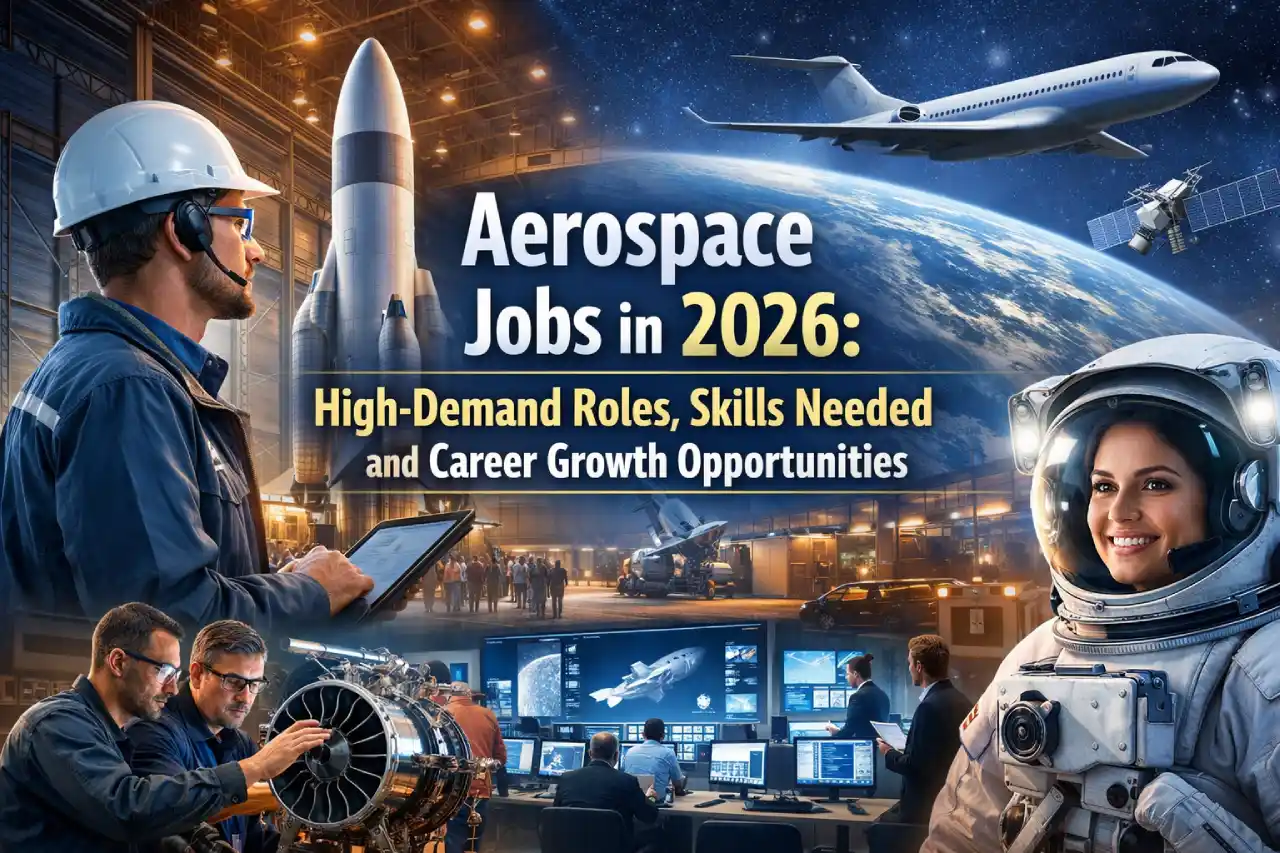
  • Opportunities in new-age industries like AI, aerospace, and renewable energy
  • Flexible career paths including research, startups, and software roles
  • Attractive salaries and international career prospects
  • Scope to work on innovation and real-life problem solving

Students who love exploring how things work, enjoy maths and logic, or want to create solutions for the future can do well in engineering.

Popular Engineering Streams in 2025

Here is a simplified list of major branches and who they suit best:

BranchBest For Students Who Like
Computer Science (CSE)Coding, AI, app/web development, data
MechanicalMachines, automobiles, robotics
ElectricalPower systems, electronics, circuits
Electronics & Communication (ECE)Chips, telecom, embedded systems
CivilConstruction, architecture, infrastructure works
BiotechnologyBiology, research, healthcare innovation
AerospaceAircrafts, space technology, defence systems
ChemicalIndustrial processes, pharma, energy

Students should select their branch based on their interest, not random advice.

Skills Needed to Succeed

Every engineering student needs certain core skills. These may differ in level, but they matter for all branches:

  • Strong logical reasoning
  • Comfort with mathematics
  • Ability to solve problems independently
  • Creativity and innovation
  • Teamwork and communication skills
  • Basic coding knowledge (helpful even for non-CS branches)
  • Curiosity to learn constantly

Engineering is more about thinking than memorising.

Entrance Exams for Engineering in India

Students seeking engineering admissions generally appear for:

  • JEE Main & JEE Advanced (for IITs, NITs, IIITs)
  • State-level CET exams (like MHT-CET, WBJEE, KCET, etc.)
  • Private university exams (BITSAT, VITEEE, SRMJEEE, etc.)
  • CUET for some central institutions

Students can start preparation from Class 11, focusing on Physics, Chemistry and Mathematics.

Career Opportunities After Engineering

A graduate engineer can work in many sectors depending on their branch:

  • IT & Software
  • Manufacturing and Automobiles
  • Construction and Real Estate
  • Defence and Aerospace
  • Banking & Fintech (tech roles)
  • Power, Energy, and Oil Industries
  • Healthcare and Biotechnology
  • Government services like ISRO, DRDO, BARC, Indian Railways

With upskilling, engineers can become project managers, researchers, entrepreneurs or highly paid specialists.


Leave a Comment

End of Article

Career vs Job Explained Clearly: Key Differences, Examples and How to Choose the Right Path

Career vs Job Explained Clearly: Key Differences, Examples and How to Choose the Right Path

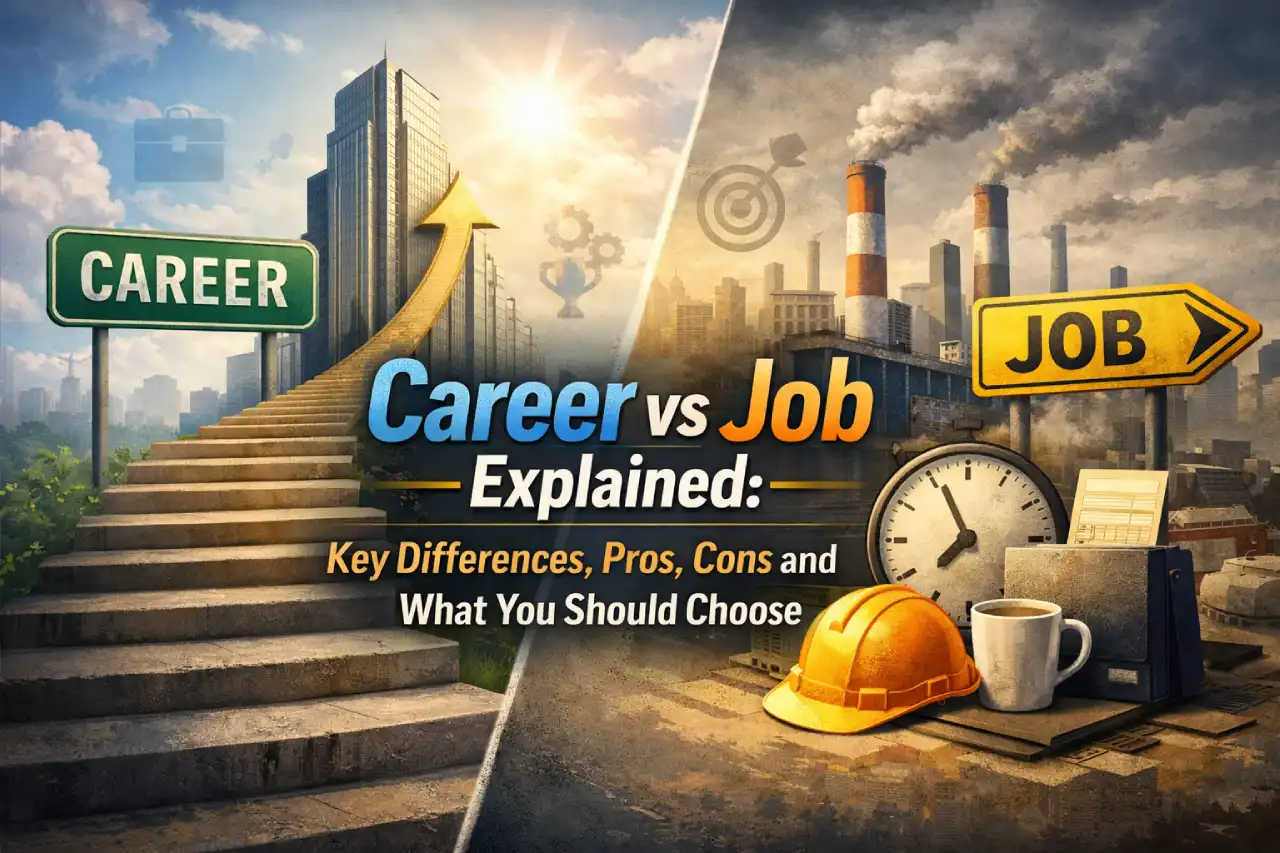
If you are confused between a job and a career, you are not alone. Many people use these two words interchangeably, but they actually mean different things. A job is something you do to earn money, usually for a short-term purpose, while a career is a long-term journey built around your skills, interests, and goals. Understanding this difference is important, especially if you are planning your future or thinking about what you really want to achieve in life.

I am writing about this because I have seen many students and even working professionals struggle with this confusion. Some people jump from one job to another without direction, while others feel stuck because they are not sure what they are working towards. Knowing the difference between a job and a career can help you make better decisions, stay focused, and build a path that gives both financial stability and personal satisfaction.

What is a Job

A job is a role where you work for a company or organisation in exchange for money.

Key features of a job:

  • Short-term focus
  • Mainly done to earn income
  • Limited connection with long-term goals
  • Fixed responsibilities
  • Less emphasis on growth or passion

For example, working as a cashier, delivery executive, or temporary office assistant can be considered a job.

What is a Career

A career is a long-term professional journey where you grow, learn, and build your identity over time.

Key features of a career:

  • Long-term vision
  • Focus on growth and development
  • Connected with your interests and skills
  • Offers progression and opportunities
  • Builds expertise over time

For example, becoming a teacher, engineer, doctor, or writer is part of a career path.

Career vs Job: Key Differences

Here is a simple comparison to understand the difference clearly:

AspectJobCareer
DurationShort-termLong-term
PurposeEarn moneyBuild future
GrowthLimitedContinuous
MotivationSalaryPassion + growth
StabilityTemporaryMore stable over time

From my perspective, a job can be a part of your career, but not every job leads to a meaningful career.

Can a Job Become a Career

Yes, a job can turn into a career if you approach it with the right mindset.

  • If you learn new skills in your job
  • If you grow within the same field
  • If you set long-term goals

For example, starting as a junior employee and growing into a manager or expert can turn a job into a career.

Why Understanding the Difference Matters

Knowing the difference can help you:

  • Make better career decisions
  • Avoid feeling lost or stuck
  • Choose jobs that align with your goals
  • Plan your future more effectively

In my opinion, this clarity can save you years of confusion and frustration.

How to Choose Between a Job and a Career

If you are just starting out, it is okay to take a job. But over time, you should think about building a career.

Ask yourself:

  • What are my interests and strengths
  • Where do I see myself in 5 or 10 years
  • Am I learning something valuable in my current role
  • Does this job help me grow

Your answers will guide your decisions.

Common Mistakes People Make

Many people unknowingly make these mistakes:

  • Choosing jobs only based on salary
  • Not planning long-term goals
  • Ignoring skill development
  • Staying in comfort zones for too long

From what I have seen, avoiding these mistakes can make a big difference in your journey.

Tips to Build a Strong Career

If you want to move from a job mindset to a career mindset, here are some simple tips:

  • Keep learning and upgrading your skills
  • Set clear long-term goals
  • Network with people in your field
  • Take calculated risks
  • Stay consistent and patient

Building a career takes time, but it is worth the effort.

Leave a Comment

End of Article

Loading more posts...