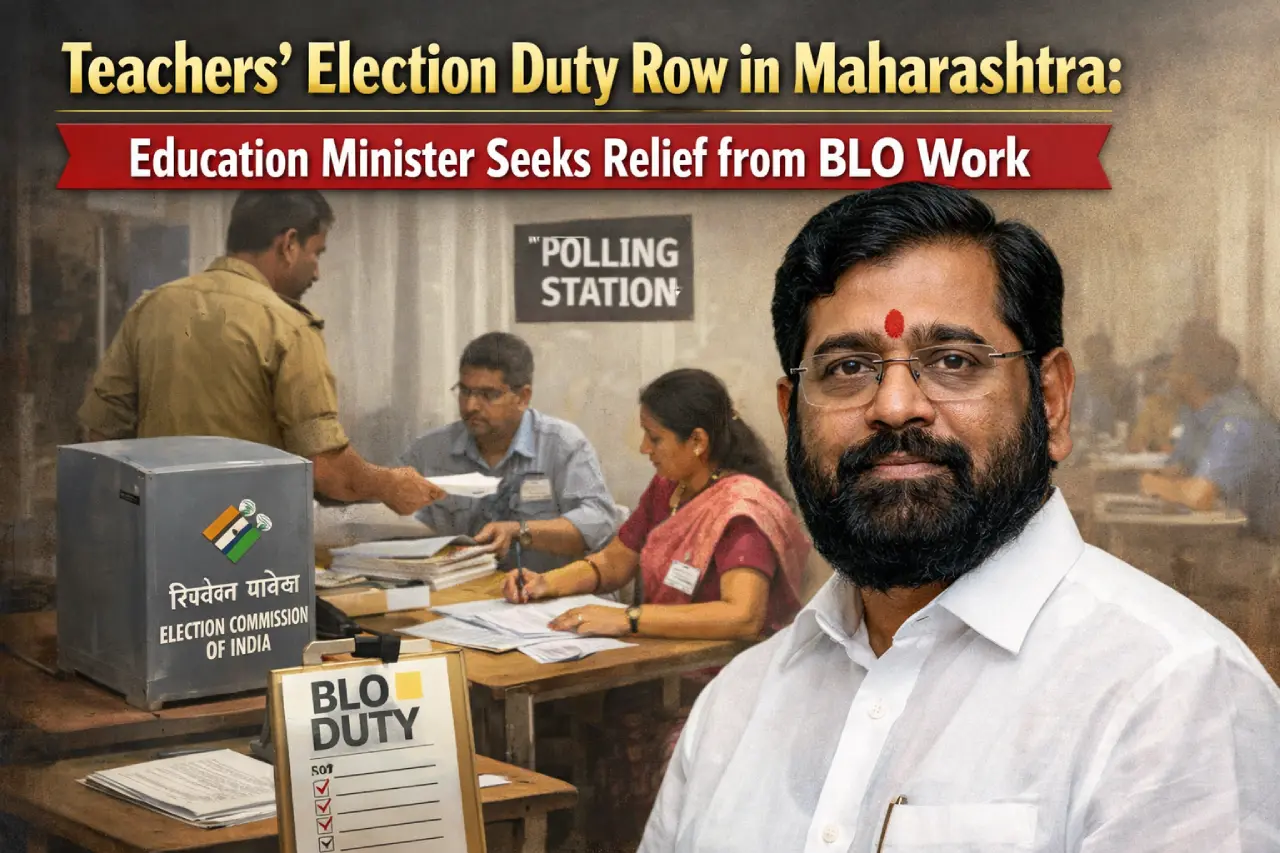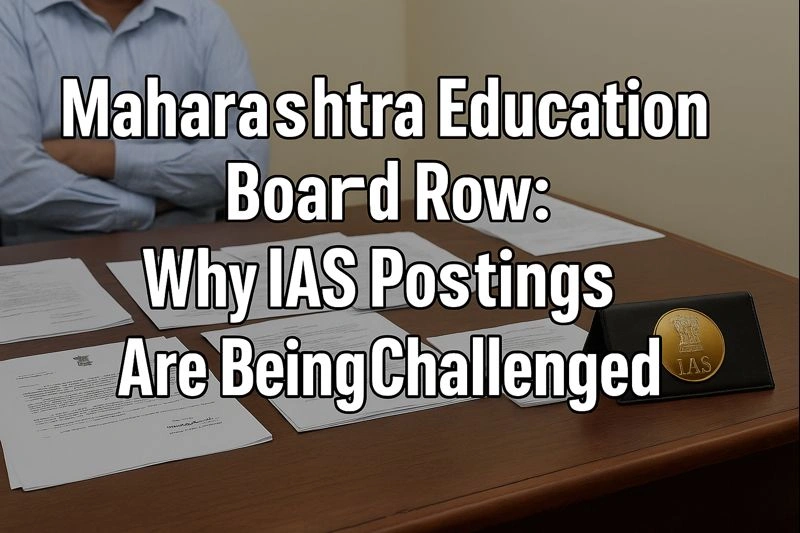
The Maharashtra education department has been thrown into controversy after the state government began assigning top academic administrative posts to IAS officers instead of senior officials from the education services cadre. The debate intensified when Trigun Kulkarni, an IAS officer, was appointed as Director of the Maharashtra State Board of Secondary and Higher Secondary Education on 18 November.
Just four days after the appointment, senior officers from the education cadre approached the Maharashtra Administrative Tribunal (MAT), arguing that the decision sidelined experienced education professionals and amounted to an unfair move against their promotional rights.
Many argue that officers who have spent decades within the education system deserve a chance to lead it, since they understand its challenges from the ground level. On the other hand, the government often relies on IAS officers for governance, decision-making and managing large-scale reforms. This dispute raises larger questions: Should specialised departments be led by experienced domain officers, or does administrative expertise matter more? The answer affects not only officials but also students, teachers and how education policy is shaped in the state.
What Triggered the Dispute?
The controversy began soon after the government decided to appoint IAS officer Trigun Kulkarni as the Director of the SSC-HSC Board. This position has traditionally been held by senior officers who rise through the Maharashtra Education Service (MES) system. Following the appointment, several senior MES officers filed a petition with MAT on November 22, arguing that they were unfairly overlooked despite being eligible for the post.
According to them, such leadership roles are meant for those who have educational expertise, years of field experience, and an understanding of school administration that IAS officers may not possess. They claim that replacing them with outsiders weakens morale and undermines their career growth within the department.
Why the Government Prefers IAS Officers
The state government has increasingly appointed IAS officers to top positions in various departments, including education. The reason behind this trend is that IAS officers are expected to bring administrative expertise, policy direction and governance capability. Governments often believe that education reforms, large budgets, and policy implementation require strong administrative leadership, which IAS officers are trained for.
In addition, many state departments claim that specialised cadres often lack exposure to wider governance and financial decision-making, which can slow reform processes. Supporters of the decision argue that having an IAS officer may help streamline educational reforms and improve execution of state-level policies.
Senior Education Officers Feel Overlooked
On the other side, education service officers say that experience within the system matters more than general administrative training. They spend most of their careers in schools, teacher management, curriculum planning and policy implementation at the ground level. Many believe that outsiders cannot fully understand long-standing challenges such as teacher vacancies, learning gaps, school infrastructure and examination reforms.
Some officers also argue that repeated appointments of IAS officers block their career progression, leaving them without opportunities to reach the highest ranks despite decades of service. This fear of stagnation is one of the major reasons behind the legal challenge before MAT.
Possible Impact on Maharashtra’s Education System
This dispute does not end at administrative boundaries. The leadership of the education department directly influences policy decisions affecting:
- School curriculum and textbooks
- Board exam patterns
- Teacher appointments and training
- Classroom learning quality
- Budget allocation for schools
If administrative disputes continue, it may delay important decisions or create friction in implementing policies. In a state where lakhs of students depend on the public education system, consistent and knowledgeable leadership becomes essential.