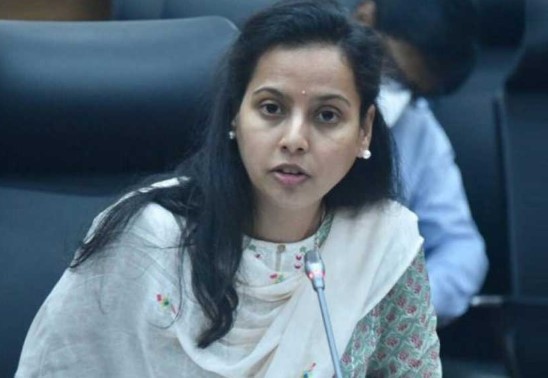
The Maharashtra government has reiterated its commitment to preventing child deaths caused by malnutrition, with Women and Child Development Minister Aditi Tatkare stating that no child should lose their life due to lack of nutrition. Addressing the issue, the minister said the state is taking focused and time-bound steps to identify at-risk children early and ensure they receive proper care and nutrition support.
I am writing about this because child malnutrition continues to be a serious concern in several parts of Maharashtra, especially in tribal and rural regions. While schemes exist on paper, what matters is how effectively they reach families on the ground. The minister’s statement is important as it signals accountability at the highest level and places child health firmly on the government’s priority list. For parents, frontline workers and citizens, this assurance matters because it directly affects the most vulnerable children and reflects how seriously the state is responding to a long-standing social challenge.
Government’s Stand On Child Malnutrition
Minister Aditi Tatkare made it clear that the government will not tolerate preventable child deaths linked to malnutrition. She stressed that such deaths are avoidable with timely intervention, proper monitoring and coordination between departments.
According to her, the focus is on strengthening existing systems rather than launching short-term measures. The aim is to ensure continuous tracking of children’s health and nutrition levels.
Focus On Early Identification
One of the key steps highlighted by the minister is early identification of malnourished children. Anganwadi workers and health staff are being instructed to regularly monitor children, especially those in vulnerable communities.
This includes:
- Routine weight and height checks
- Identifying severely and moderately malnourished children
- Immediate referral to health facilities when required
Early detection allows treatment to begin before a child’s condition becomes critical.
Strengthening Anganwadi And Health Services
The Women and Child Development Department is working closely with the health department to improve coordination at the village and block levels. Anganwadi centres remain the backbone of nutrition delivery under schemes like ICDS.
Efforts are being made to:
- Improve food quality at Anganwadi centres
- Ensure regular supply of nutrition supplements
- Train workers to identify warning signs early
- Involve parents in nutrition awareness
The minister emphasised that frontline workers play a crucial role and must be supported properly.
Special Attention To High-Risk Areas
Certain districts and tribal belts in Maharashtra have historically reported higher cases of child malnutrition. The government is reportedly giving special attention to these regions through focused monitoring and additional resources.
Measures include:
- District-level review meetings
- Special nutrition drives
- Health camps for children and mothers
- Close supervision of local officials
The idea is to prevent gaps in implementation where the risk is highest.
Accountability And Monitoring
Aditi Tatkare also underlined the need for accountability at every level. She said officials would be held responsible if cases of severe malnutrition are ignored or delayed.
Regular data collection and reporting are being strengthened so that problems are flagged early and corrective action is taken quickly.
Why This Matters Now
Despite economic progress, malnutrition remains a silent crisis. Child deaths linked to poor nutrition highlight inequalities in access to healthcare, food and awareness.
Preventing such deaths is not just about schemes, but about execution, follow-up and empathy. The minister’s assurance signals political will, but its success will depend on consistent action on the ground.