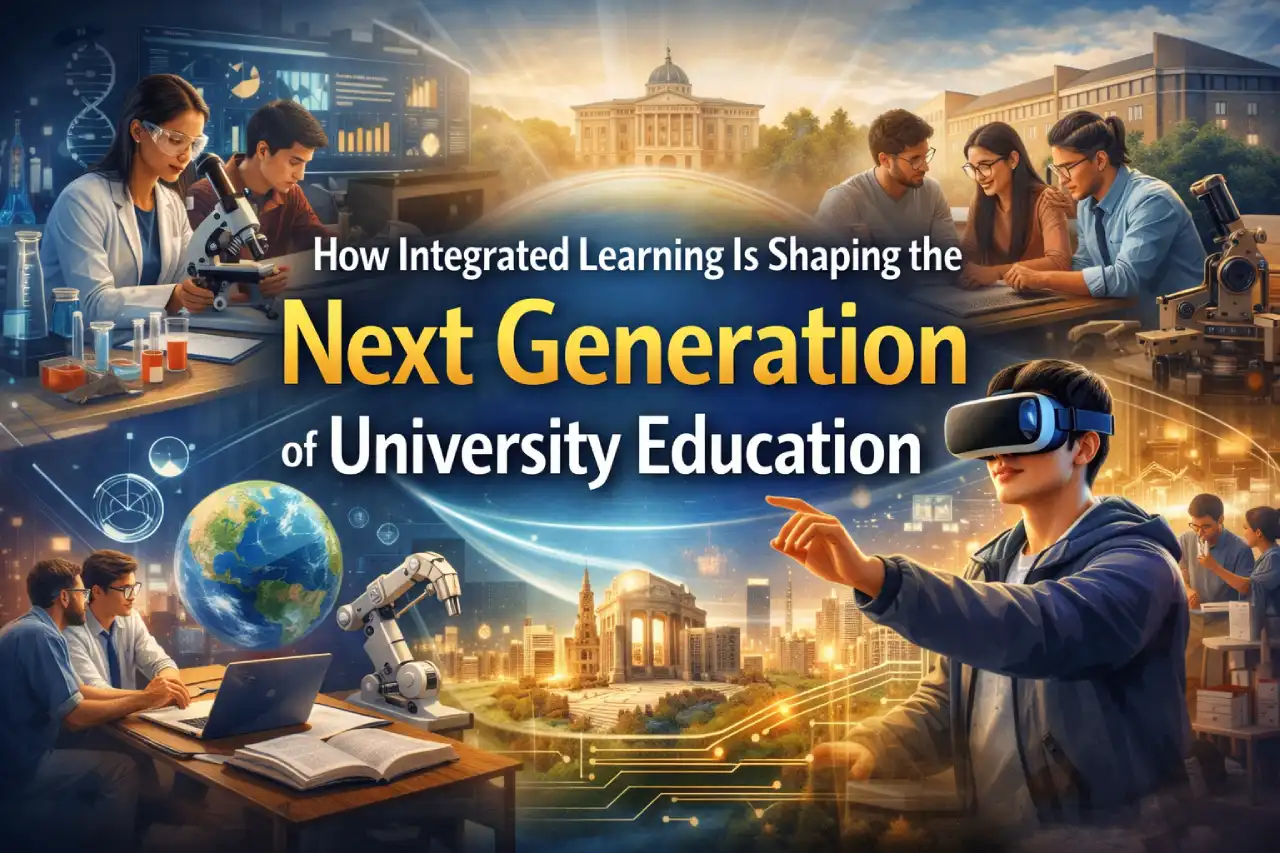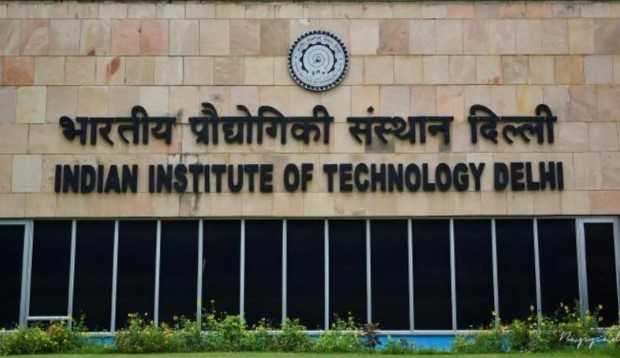
India’s premier engineering institutions, the Indian Institutes of Technology (IITs), are actively redesigning their academic curricula to keep pace with rapid technological change and evolving industry needs. From artificial intelligence and data science to sustainability and interdisciplinary learning, IITs are moving away from rigid course structures and adopting more flexible, student-centric academic models.
I am writing about this shift because the way technology is changing today, what students learn in their first year can become outdated by the time they graduate. IITs have traditionally been seen as trendsetters in technical education, and their decision to update curricula reflects a larger change in how higher education must respond to real-world demands. For students, parents and recruiters, this transition matters because it directly affects employability, innovation capacity and how well graduates adapt to future careers that may not even exist yet.
Why IITs Are Rethinking Their Curricula
Over the last decade, technology has moved faster than conventional academic updates. Fields like AI, machine learning, climate technology and advanced manufacturing are evolving every year.
IITs realised that fixed syllabi and narrow specialisations were no longer enough. Graduates needed broader exposure, problem-solving skills and the ability to learn continuously rather than rely only on textbook knowledge.
Focus On Flexibility And Choice
One of the biggest changes is the move towards flexible academic structures. Many IITs are now allowing students to choose electives across departments and even across institutions.
This includes:
- Interdisciplinary minors and majors
- Credit-based online and offline courses
- Freedom to switch streams in early semesters
- Project-based learning replacing rote exams
Students can now mix engineering with management, humanities, design or policy studies, depending on their interests.
Strong Push Towards AI And Emerging Technologies
Artificial intelligence, data science and machine learning have become core components across multiple branches, not limited to computer science alone. Mechanical, civil and electrical engineering students are also being trained in coding, analytics and automation.
Alongside AI, IITs are introducing courses in:
- Cybersecurity and blockchain
- Quantum computing basics
- Semiconductor and chip design
- Robotics and automation
These additions aim to prepare students for industries that are actively hiring today.
Sustainability And Climate Education Gains Importance
Another major shift is the growing focus on sustainability and climate-related studies. IITs are aligning with global concerns around energy transition, climate change and sustainable development.
Students are now exposed to:
- Renewable energy systems
- Sustainable materials and construction
- Climate modelling and policy
- Environmental economics
This reflects both industry demand and national priorities.
Alignment With NEP 2020
Many of these changes are in line with the National Education Policy 2020, which encourages multidisciplinary education, flexibility and skill-based learning.
Under NEP guidelines, IITs are:
- Reducing rigid course boundaries
- Encouraging research from undergraduate level
- Allowing multiple exit options with certifications
- Promoting lifelong learning models
This marks a clear departure from the one-size-fits-all approach of the past.
Industry Collaboration And Real-World Exposure
IITs are also working more closely with industry partners to ensure course content stays relevant. Professionals from tech companies and startups are increasingly involved in curriculum design, guest lectures and project mentoring.
Students benefit through:
- Industry-sponsored labs and courses
- Live problem statements from companies
- Better internship and placement alignment
This helps bridge the gap between classrooms and workplaces.
What This Means For Students
For students, the new system offers more freedom but also more responsibility. With greater choice comes the need to plan careers early and select courses wisely.
Those who adapt well can build customised skill sets that match future job roles rather than traditional degree labels.