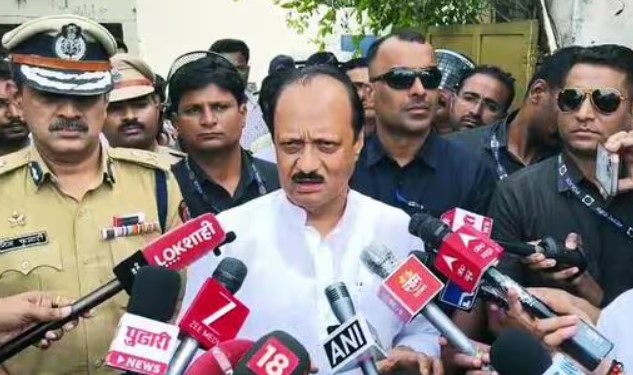
Maharashtra Deputy Chief Minister and Finance Minister Ajit Pawar has said that the proposed changes in GST slabs could cost the state nearly ₹15,000 crore every year. Speaking on the financial impact of the revised tax structure, Pawar pointed out that while GST reforms aim to simplify taxation, they also pose serious challenges for revenue-heavy states like Maharashtra, which contribute a major share to the national tax pool.
I am writing about this statement because GST decisions taken at the national level have a direct effect on state finances, public spending, and everyday services. For a state like Maharashtra, which funds large infrastructure projects, social welfare schemes, and urban development, a revenue loss of this scale is not a small matter. It raises questions about how the state will balance its budget, whether spending cuts may follow, or if alternative revenue sources will be explored. Understanding the implications of GST changes helps citizens make sense of why governments often push back or seek compensation when tax structures are revised.
What Ajit Pawar Said on GST Slab Changes
Ajit Pawar highlighted the issue while discussing the financial pressures on the state exchequer.
Key points from his statement include:
- Revised GST slabs could reduce Maharashtra’s annual revenue by around ₹15,000 crore
- The state is one of the largest contributors to GST collections
- Any reduction in GST rates directly impacts funds available for development
- The concern has been raised at appropriate forums
Pawar stressed that states need to be consulted more closely before major tax decisions are finalised.
Why Maharashtra Is More Affected
Maharashtra has a strong industrial base, large urban centres, and high consumption levels, all of which make GST a major revenue source.
Reasons the impact is significant:
- Large share of manufacturing and services sector
- High volume of GST-paying businesses
- Major dependence on GST for state income
- Existing commitments on infrastructure and welfare spending
Even a small percentage change in GST rates can translate into thousands of crores in losses for the state.
What This Could Mean for Public Spending
A potential revenue shortfall may force the government to rethink its financial priorities.
Possible effects include:
- Delays in infrastructure projects
- Tighter controls on new welfare schemes
- Increased dependence on central compensation
- Pressure to find new sources of state revenue
Officials may need to balance development goals with fiscal discipline.
GST Reform vs State Finances
While GST reforms are meant to simplify taxation and boost economic activity, states often worry about short-term losses.
This situation highlights:
- The need for stronger compensation mechanisms
- Better coordination between Centre and states
- Transparent assessment of long-term benefits versus immediate losses