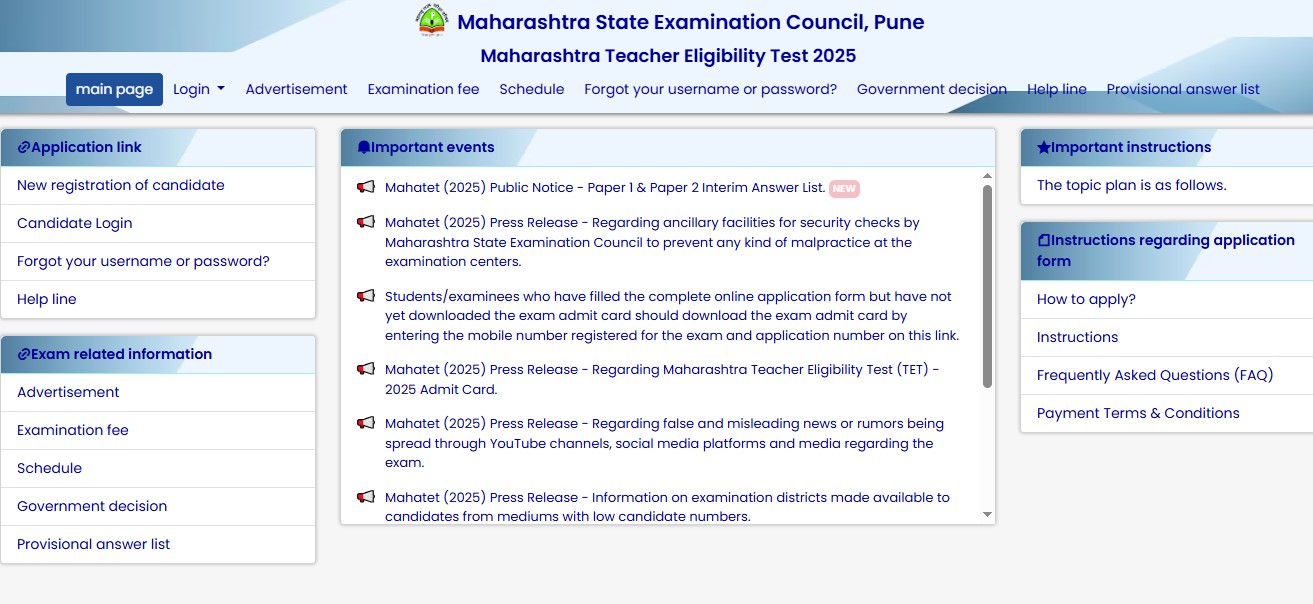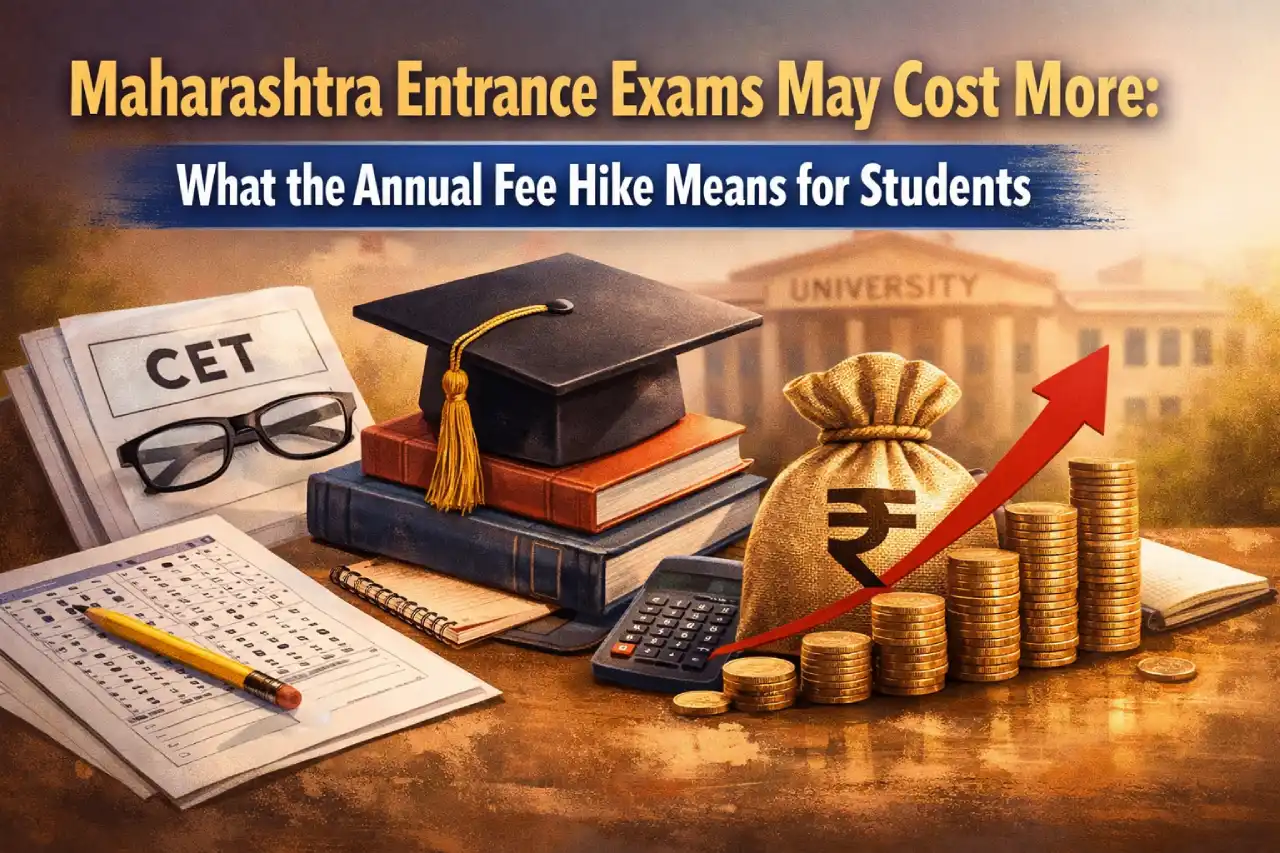
The Maharashtra government is planning a steady increase in entrance examination fees, with a proposed 10 per cent hike every year. The move is aimed at supporting the integration of APAAR (Automated Permanent Academic Account Registry) and Aadhaar into the state’s examination and admission systems. The proposal applies to major entrance tests conducted for professional courses, including those under the Centralised Admission Process, and is expected to come into effect from upcoming admission cycles.
I am writing about this development because exam fees directly affect lakhs of students and families across Maharashtra every year. Any change in fee structure, even if gradual, has long-term implications for access to higher education. While the government says the hike will help modernise systems and reduce errors, students and parents will want clarity on how the additional money will be used and whether safeguards will be put in place for economically weaker candidates.
What the proposed fee hike is about
According to officials, the state plans to increase entrance exam fees by 10 per cent annually instead of making sudden, large revisions. The additional revenue will be used to strengthen digital infrastructure needed for linking APAAR IDs with Aadhaar and other academic databases.
This integration is meant to ensure accurate student records, prevent duplication, and streamline the admission process across universities and colleges. Authorities believe that a phased hike is more manageable than irregular fee jumps that often create confusion and backlash.
Why APAAR and Aadhaar integration matters
APAAR is designed as a lifelong academic ID that stores a student’s educational records securely. When linked with Aadhaar, it helps verify identity, reduce fraudulent applications, and speed up counselling and admissions.
In Maharashtra, officials have pointed out that managing large-scale entrance exams involves high administrative costs. From online applications and biometric verification to counselling rounds, every step needs reliable technology. The proposed fee increase is being positioned as a way to fund these systems sustainably without depending entirely on government grants.
How students may be affected
For students appearing in entrance exams year after year, the cumulative impact of a 10 per cent annual hike could be noticeable. While the increase may seem small initially, over time it could raise concerns, especially for candidates from rural areas or low-income families.
At the same time, smoother admissions, fewer technical glitches, and faster processing are benefits that many students welcome. The key concern remains whether fee concessions, scholarships, or exemptions will continue for reserved categories and financially weaker sections.
What to watch out for next
The proposal is expected to be discussed further before final approval. Students should keep an eye on official notifications from the state’s admission authority to understand revised fee structures and timelines.