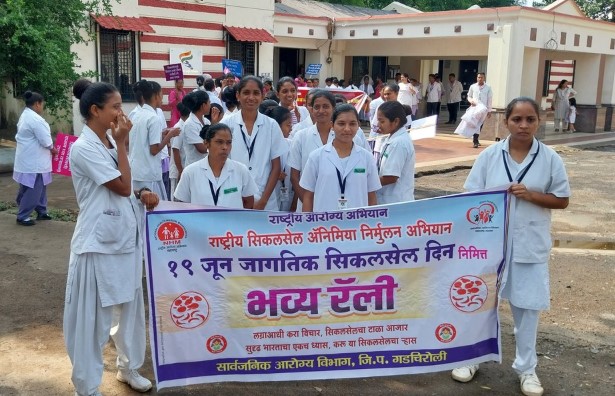
The Maharashtra government has announced a special sickle cell screening drive across 21 districts where the disease is known to be highly prevalent. The decision was shared by Prakash Abitkar, Minister for Public Health and Family Welfare, during a review meeting held at the Mantralaya on Thursday. The focused screening programme aims to identify affected individuals early and strengthen treatment and counselling support in vulnerable regions. This initiative is part of the state’s broader effort to address genetic and hereditary health conditions through targeted public health interventions.
I am writing about this development because sickle cell disease continues to affect thousands of families, especially in tribal and rural belts, often without timely diagnosis. Early screening can make a real difference by helping patients manage symptoms, avoid complications, and access proper medical care. This move by the Maharashtra government is important not just as a health measure, but as a signal that preventive care and early intervention are being taken seriously at the policy level.
What Is Sickle Cell Disease and Why Screening Matters
Sickle cell disease is a genetic blood disorder that affects haemoglobin, causing red blood cells to become rigid and sickle-shaped. This can lead to severe pain, infections, anaemia, and other long-term health complications.
Early screening helps in:
- Identifying carriers and affected individuals
- Starting treatment and monitoring at the right time
- Providing genetic counselling to families
- Reducing preventable complications and hospitalisation
Focus on 21 High-Prevalence Districts
The special screening drive will be conducted in 21 districts that report a high number of sickle cell cases. These districts largely include tribal-dominated and rural areas, where awareness and access to healthcare services can be limited.
By concentrating efforts in these regions, the state aims to ensure that healthcare resources reach those who need them the most.
Government Review Meeting and Health Strategy
The decision was taken during a review meeting chaired by Health Minister Prakash Abitkar at the Mantralaya. Officials reviewed the current status of sickle cell management programmes and discussed ways to improve detection, treatment, and follow-up care.
The screening drive is expected to work alongside existing health schemes and district-level medical infrastructure.
How the Screening Drive Will Help Communities
This initiative is expected to bring screening services closer to people through government health facilities and outreach programmes. It will also help create better data on the prevalence of sickle cell disease, which can guide future health planning and policy decisions.
For many families, early diagnosis can mean better quality of life and informed healthcare choices.