JOIN WHATSAPP
STORIES

Maharashtra Bans PG Medical Student Transfers Under DRP: What It Means for Colleges and Doctors

Maharashtra Bans PG Medical Student Transfers Under DRP: What It Means for Colleges and Doctors

The Government of Maharashtra has decided to ban inter-district transfers of postgraduate medical students admitted under the District Residency Programme (DRP). The move aims to ensure that doctors trained under this scheme continue to serve in the districts they were originally allotted. According to officials, allowing transfers was weakening the core purpose of the DRP, which was designed to strengthen district-level public healthcare by retaining trained specialists locally.

I am writing about this decision because it directly affects hundreds of PG medical students and also has long-term implications for healthcare delivery in smaller towns and rural areas. Many students and hospitals were unsure about how flexible the DRP rules really were. This clarification brings certainty, but it also raises questions about student hardship, personal circumstances, and how the state plans to balance fairness with public health needs.

What Is the District Residency Programme (DRP)

The District Residency Programme was introduced to address the shortage of specialist doctors in government hospitals outside major cities. Under this system, PG medical students are required to undergo training in district hospitals instead of concentrating only in urban medical colleges.

The idea was simple:

  • Improve healthcare access in districts
  • Build specialist capacity in government hospitals
  • Reduce dependence on city-based medical infrastructure

However, over time, inter-district transfer requests started increasing, which diluted the programme’s intent.

Why Maharashtra Banned Inter-District Transfers

State health officials observed that frequent transfers were creating staffing gaps in already understaffed district hospitals. Some districts were losing trained PG students midway, while others were receiving more than their allocated strength.

By banning inter-district transfers, the government wants to:

  • Ensure continuity of patient care in district hospitals
  • Maintain uniform distribution of PG medical trainees
  • Prevent misuse of transfer provisions

Officials have clarified that the ban will apply strictly to students admitted under the DRP quota.

Impact on PG Medical Students

For students, this decision brings both clarity and concern. While it removes uncertainty around future postings, it also limits flexibility for those facing genuine personal or medical issues.

Students will now need to:

  • Complete their training in the allotted district
  • Plan personal commitments accordingly
  • Rely on exceptional relief only in rare cases, if permitted

Medical associations have urged the government to define clear guidelines for exceptional circumstances.

What Happens Next

The state health department is expected to issue detailed circulars to medical colleges and district hospitals outlining the implementation process. Colleges have been asked to strictly follow the new directive for all current and upcoming DRP batches.
Leave a Comment

End of Article

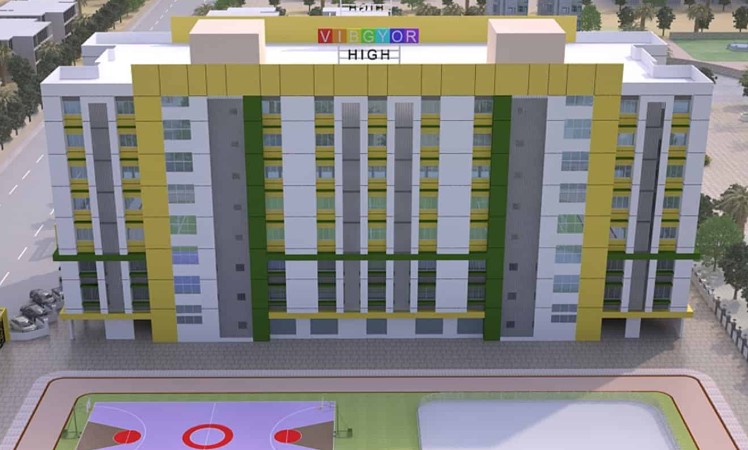
VIBGYOR High Shares Expert Guidance to Help Parents Navigate School Admission for 2026

VIBGYOR High Shares Expert Guidance to Help Parents Navigate School Admission for 2026

Mumbai (Maharashtra): With the school admission season for 2026 slowly approaching, many parents are already feeling the pressure of making the right choice for their children. From understanding different boards to evaluating teaching methods and school culture, the process can feel overwhelming. Keeping this in mind, VIBGYOR High has stepped forward to share expert guidance aimed at helping parents navigate school admissions with more clarity and confidence.

I am writing about this because school admissions today are no longer just about proximity or fees. Parents want assurance that a school will support their child’s academic growth, emotional well-being, and future readiness. Expert insights from an established institution like VIBGYOR High can help families cut through confusion, ask the right questions, and make informed decisions well ahead of the 2026 academic year.

Why School Admissions for 2026 Need Early Planning

Admissions have become more competitive across cities, especially for well-known schools offering CBSE, ICSE, IGCSE, and IB curricula. Application timelines, entrance interactions, and documentation now begin months in advance. Early planning allows parents to research properly instead of rushing decisions at the last minute.

Experts also point out that each child learns differently, and choosing a school should be about the right fit rather than brand value alone.

VIBGYOR High’s Approach to Guiding Parents

VIBGYOR High emphasises a structured and thoughtful admission process. According to the school’s academic leadership, parents should focus on understanding how a school supports learning beyond textbooks.

Some of the key areas VIBGYOR High encourages parents to look at include:

  • Teaching methodology and classroom engagement
  • Student-teacher ratio and personalised attention
  • Balance between academics, sports, and arts
  • Emotional support and counselling systems
  • Safety, infrastructure, and digital learning tools

Choosing the Right Board for Your Child

One of the biggest challenges parents face is selecting the right education board. VIBGYOR High advises parents to align the board choice with their child’s learning style and long-term goals.

For example:

  • CBSE suits students who prefer a structured syllabus
  • ICSE encourages strong language and analytical skills
  • IGCSE and IB focus on inquiry-based and global learning

Understanding these differences early can prevent unnecessary stress later.

Common Mistakes Parents Should Avoid

Based on expert observations, schools often see parents making similar mistakes during admissions. These include:

  • Choosing a school only based on reputation
  • Ignoring the child’s comfort and adaptability
  • Not understanding assessment patterns
  • Delaying applications and missing deadlines

VIBGYOR High stresses that school selection should be a collaborative decision involving both parents and children.

How Parents Can Prepare for the 2026 Admission Cycle

Parents planning for 2026 admissions can take a few simple steps now:

  • Shortlist schools and boards early
  • Attend school open houses or counselling sessions
  • Speak to other parents and educators
  • Prepare documents well in advance
  • Observe how the child responds to different learning environments

These steps help reduce pressure when admission windows open.

Leave a Comment

End of Article

Loading more posts...