JOIN WHATSAPP
STORIES

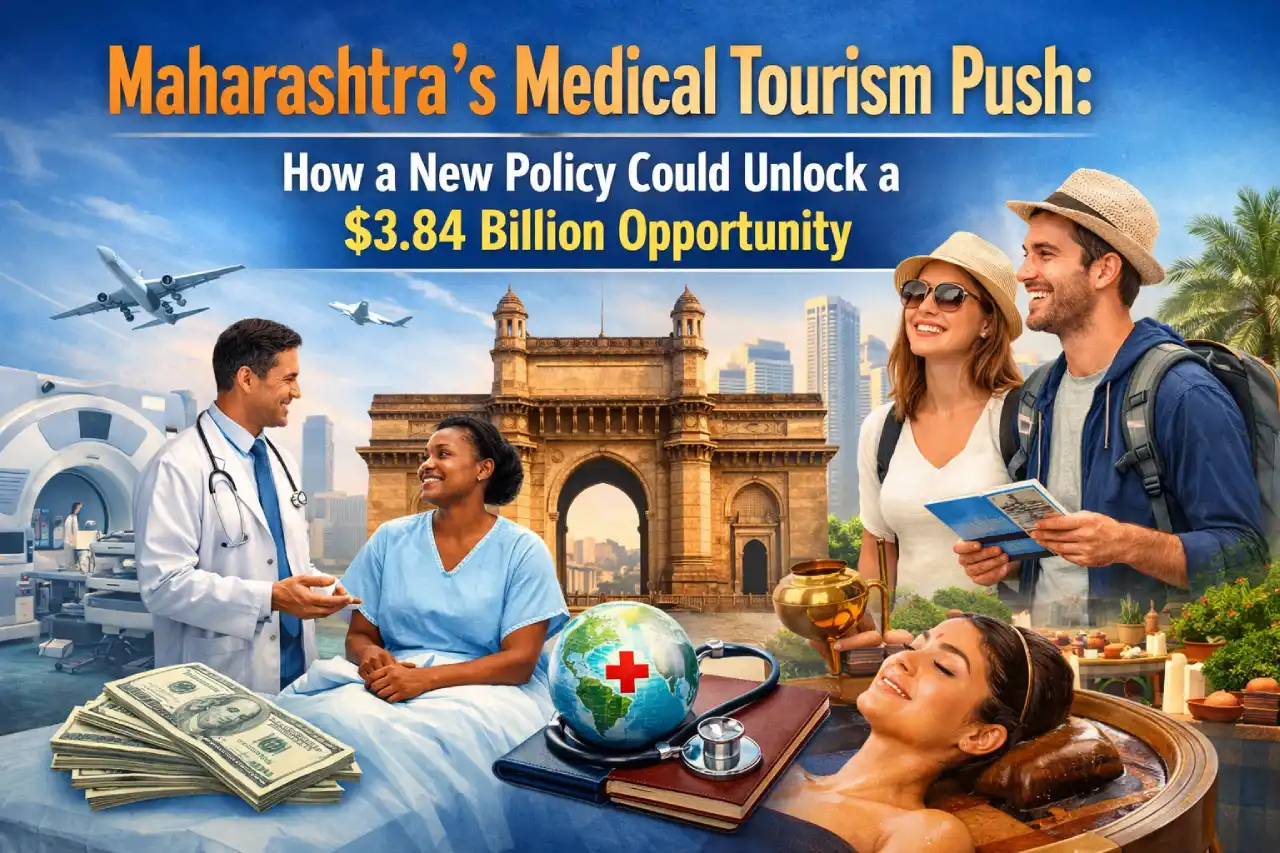
Maharashtra’s Medical Tourism Push: How a New Policy Could Unlock a $3.84 Billion Opportunity

Maharashtra’s Medical Tourism Push: How a New Policy Could Unlock a $3.84 Billion Opportunity

Maharashtra is positioning itself as a major hub for medical value travel, with the state government estimating a potential opportunity worth $3.84 billion through a dedicated policy push. The proposed medical value travel policy aims to attract international patients seeking quality yet affordable healthcare, while also strengthening allied sectors such as hospitality, transport, and wellness services. With its strong network of private hospitals, skilled doctors, and improving infrastructure, the state believes it is well placed to compete globally in this fast-growing segment.

I am writing about this development because medical value travel is no longer a niche concept. For many states and countries, it has become a serious economic driver. Maharashtra’s move signals a shift towards seeing healthcare not only as a public service but also as a growth engine that can generate jobs, foreign exchange, and global visibility. Understanding this policy helps readers see how healthcare, tourism, and economic planning are now closely linked.

What Is Medical Value Travel and Why It Matters

Medical value travel refers to patients travelling across borders for treatment that is cost-effective, timely, and delivered by qualified professionals. Maharashtra already attracts patients for complex procedures such as cardiac surgery, oncology care, orthopaedics, and organ transplants.

Key reasons the sector matters:

  • Treatment costs in India are significantly lower than in many Western countries
  • Hospitals offer internationally recognised standards of care
  • English-speaking medical staff make communication easier
  • Shorter waiting periods compared to several developed nations

By formalising this sector through a policy, the state hopes to streamline processes and improve patient experience.

What the Proposed Policy Focuses On

The medical value travel policy is expected to create a structured ecosystem rather than leaving hospitals to operate independently. The idea is to position Maharashtra as a single, trusted destination for global patients.

The policy is likely to focus on:

  • Single-window facilitation for international patients
  • Coordination between hospitals, hotels, and travel providers
  • Branding Maharashtra as a medical and wellness destination
  • Encouraging investment in world-class healthcare infrastructure
  • Improving last-mile services such as visas, accommodation, and transport

This integrated approach is crucial if the state wants to compete with established global medical tourism hubs.

Economic Impact and Job Creation Potential

The estimated $3.84 billion opportunity is not limited to hospitals alone. A successful medical value travel ecosystem supports multiple sectors.

Expected benefits include:

  • Direct employment in hospitals and diagnostic centres
  • Indirect jobs in hospitality, travel, logistics, and translation services
  • Increased foreign exchange earnings
  • Boost to tier-2 cities where healthcare facilities are expanding

This makes the policy relevant not just for healthcare professionals but also for the wider economy.

Challenges That Need Attention

While the opportunity is large, execution will be key. Issues such as infrastructure gaps, coordination between departments, and patient safety standards must be addressed carefully. Ensuring ethical practices and protecting the interests of domestic patients will also be important to maintain balance.

Leave a Comment

End of Article

Maharashtra Faces Alarming Child Malnutrition Crisis, High Court Seeks Answers

Maharashtra Faces Alarming Child Malnutrition Crisis, High Court Seeks Answers

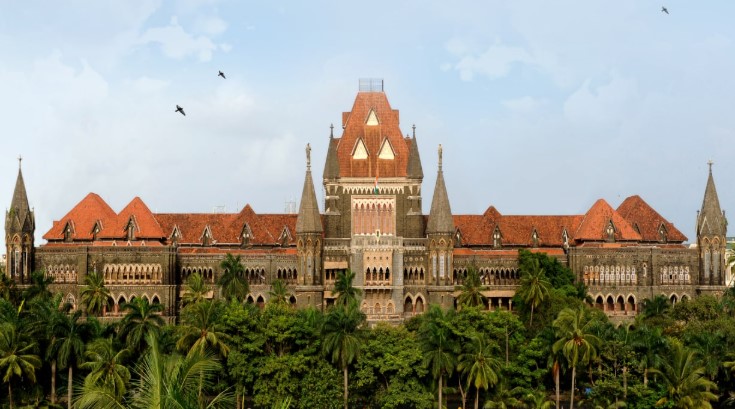
More than 1.37 lakh children in Maharashtra are still suffering from malnutrition, a matter that has now drawn serious attention from the judiciary. The issue came before the Bombay High Court after a newspaper report highlighted shocking figures related to child and maternal deaths in the state. According to the data placed before the court, 32,226 children below the age of five and 2,861 mothers have died in Maharashtra over the last two-and-a-half years, with malnutrition cited as a major contributing factor.

I am writing about this issue because these numbers are not just statistics, they reflect a deep and continuing public health crisis. Despite multiple welfare schemes and nutrition programmes, thousands of families are still struggling to provide basic nourishment to children and mothers. When such data reaches the High Court, it becomes clear that this is not a routine administrative lapse but a systemic problem that needs urgent attention from policymakers and authorities.

What the Bombay High Court Was Told

The matter came up before the Bombay High Court after taking suo motu cognisance of a media report on malnutrition-related deaths. The court was informed that a significant number of children identified as severely or moderately malnourished are still awaiting effective intervention.

The figures presented shocked the court, especially considering that Maharashtra is one of the country’s economically stronger states with extensive public health infrastructure.

Scale of Child and Maternal Deaths

As per the information highlighted:

  • 32,226 children under five years of age died in the last two-and-a-half years
  • 2,861 maternal deaths were recorded during the same period
  • Malnutrition was cited as a major contributing factor in many cases
  • Over 1.37 lakh children are currently identified as malnourished

These numbers point towards gaps in early detection, follow-up treatment, and nutrition delivery systems.

Why Malnutrition Remains a Persistent Problem

Health experts say malnutrition is not caused by lack of food alone. It is often linked to:

  • Poverty and food insecurity
  • Poor maternal health and anaemia
  • Inadequate access to healthcare facilities
  • Lack of awareness about nutrition
  • Irregular monitoring at the grassroots level

In tribal and rural areas, these problems are even more severe due to connectivity and staffing issues.

Government Schemes and Ground Reality

Maharashtra runs several nutrition and health schemes through anganwadis and public health centres. However, the court was told that implementation remains uneven. In many cases, children identified as malnourished are not followed up properly, and referral systems do not function as intended.

The court has sought explanations from the state authorities on what corrective measures are being taken and how existing programmes are being monitored.

Why This Issue Matters to Everyone

Child malnutrition has long-term consequences that go beyond immediate health risks. It affects physical growth, brain development, learning ability, and future productivity. Maternal malnutrition, on the other hand, increases risks during childbirth and directly impacts newborn health.

When such a large number of deaths are linked to nutrition gaps, it raises serious questions about accountability and policy execution.

What the High Court Expects Next

The High Court has indicated that it will closely monitor the state’s response and action plan. Authorities may be asked to submit detailed reports on:

  • Identification and treatment of malnourished children
  • Availability of nutrition supplements
  • Staffing and monitoring at anganwadi centres
  • Steps taken to prevent further deaths

The court’s involvement is expected to push for stricter oversight and faster corrective action.

Leave a Comment

End of Article

Loading more posts...