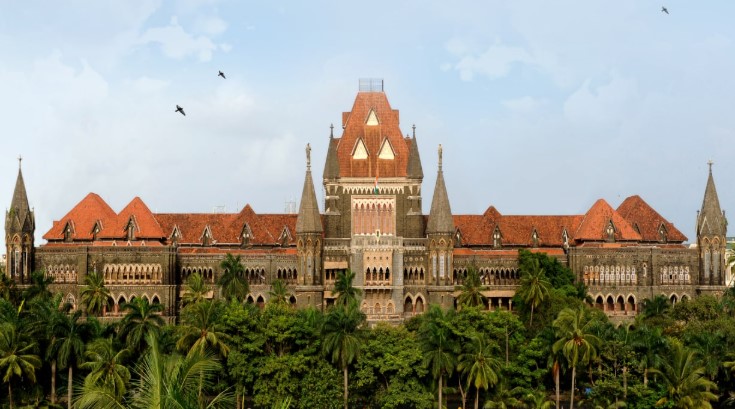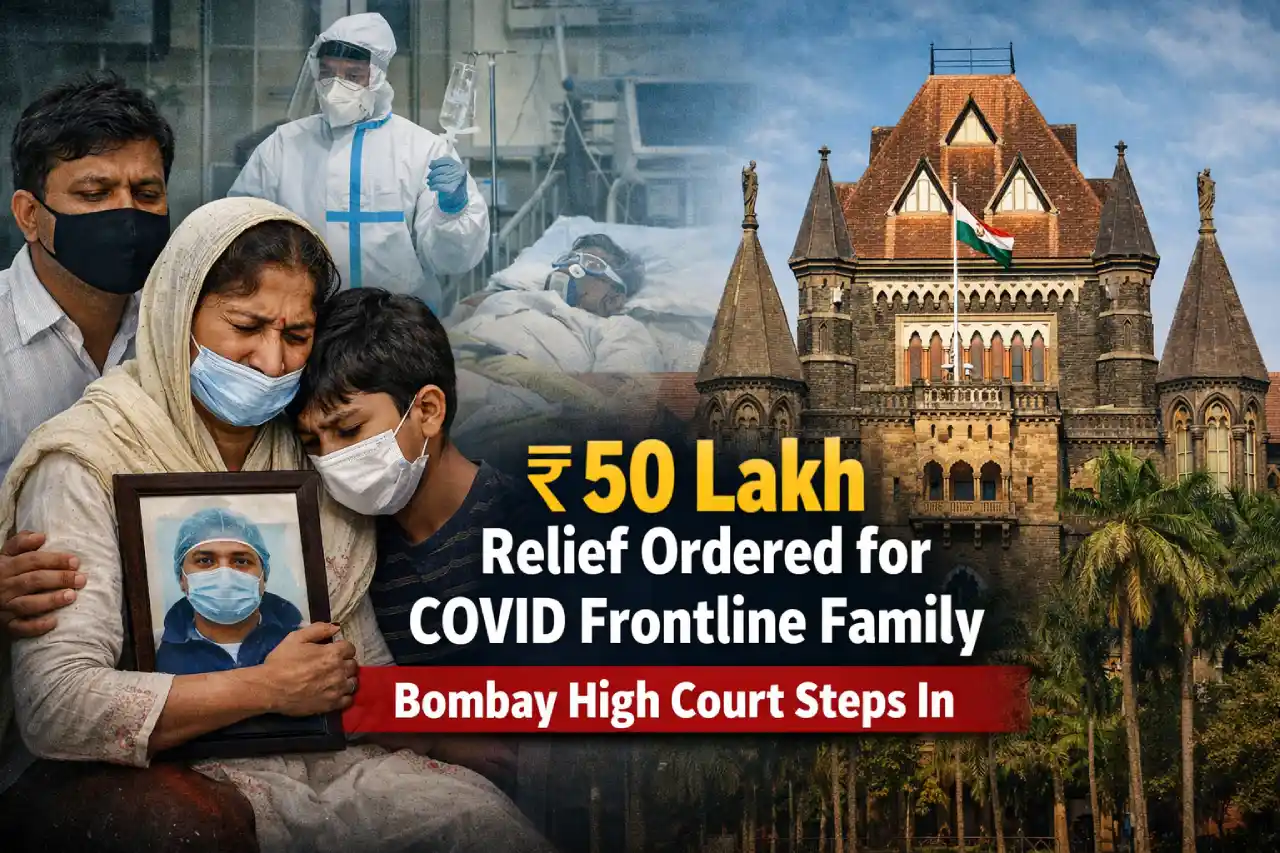
The Bombay High Court has directed the Maharashtra government to release a ₹50 lakh ex-gratia benefit to the family of a staff member who died while performing COVID-19 duty. The order reinforces the state’s obligation to honour assurances made to frontline workers during the pandemic. The court made it clear that welfare promises cannot remain on paper when families have lost their sole earners while serving the public in an unprecedented health crisis.
I am writing about this decision because it brings long-overdue clarity and relief to families who have been waiting for recognition and financial support. During COVID-19, many frontline staff worked under extreme risk with the assurance of government-backed benefits. When such commitments are delayed or denied, judicial intervention becomes crucial. This order sends a strong message on accountability and the value of frontline service.
What the Bombay High Court Ordered
The direction was issued by the Bombay High Court while hearing a petition filed by the bereaved family. The court instructed the state to pay the ₹50 lakh benefit as per the policy announced during the pandemic for COVID duty personnel who lost their lives.
The court noted that once a policy decision is taken and publicised, the government is bound to implement it in a fair and timely manner.
Background of the Case
The deceased staff member had been deployed on COVID-19 duty at the height of the pandemic. Following the death, the family approached authorities seeking the promised ex-gratia assistance. When the benefit was not released despite repeated representations, the family moved the High Court seeking justice.
The court examined relevant government resolutions and found that the case clearly fell within the eligibility criteria.
State Government’s Responsibility
The benefit is to be paid by the Maharashtra Government under its COVID relief policy for frontline workers. The High Court observed that denying or delaying such payments defeats the purpose of welfare schemes meant to protect families from financial distress after the loss of a breadwinner.
The court also emphasised that frontline workers took on risk trusting the state’s assurances.
Why This Judgment Matters
This order has wider implications beyond one family. It sets a precedent for other pending cases where families of COVID duty staff are still struggling to receive promised compensation. It also underlines the role of courts in ensuring that executive commitments are honoured, especially in matters involving life, service, and dignity.
For many families, this judgment restores faith in the system.
What Affected Families Should Know
Families of COVID duty staff who believe they are eligible for similar benefits should:
- Check the relevant government resolutions issued during the pandemic
- Collect service and deployment records
- Submit formal representations to authorities
- Seek legal remedy if benefits are unreasonably delayed
Legal clarity from courts can significantly speed up resolution in genuine cases.