JOIN WHATSAPP
STORIES

Maharashtra Teachers May Get Relief from Election Duty as Minister Flags Classroom Impact

Maharashtra Teachers May Get Relief from Election Duty as Minister Flags Classroom Impact

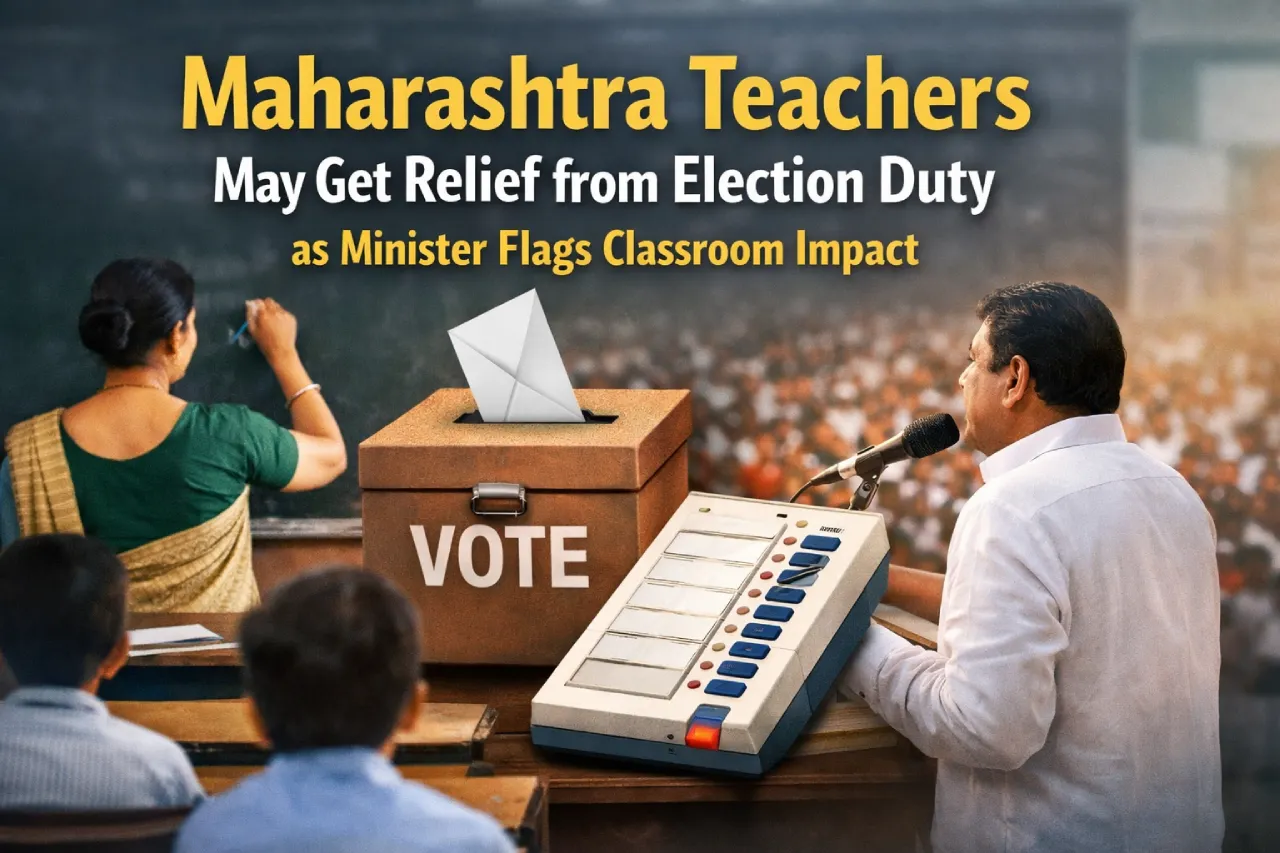
The demand to keep teachers away from election-related work has once again come to the forefront in Maharashtra. State education minister Dadaji Bhuse has written to Chief Minister Devendra Fadnavis, urging him to exempt school teachers from Booth Level Officer (BLO) duties and other election assignments. The letter highlights concerns that repeated deployment for election work is disrupting classroom teaching and affecting students’ learning time.

I am writing about this issue because it touches the everyday functioning of schools across the state. Teachers have long complained that election-related responsibilities pull them away from academic work for weeks, sometimes months. When the education minister formally raises this concern with the chief minister, it signals that the problem has grown serious enough to need a policy-level decision rather than temporary adjustments.

What Bhuse Has Written to the Chief Minister

In his communication, Dadaji Bhuse has clearly stated that teachers should not be routinely assigned election duties, especially roles like BLO that require continuous fieldwork and data verification. He has argued that teaching is a specialised responsibility and that diverting educators to non-academic tasks weakens the education system.

The minister has reportedly stressed that schools are already facing pressure due to syllabus timelines, assessments, and staff shortages.

Why Teachers Are Opposing BLO and Election Duties

Teachers across Maharashtra have consistently raised objections to election work for several reasons:

  • Loss of classroom teaching hours
  • Additional workload beyond regular school duties
  • Long periods of fieldwork unrelated to education
  • Mental stress and accountability for election-related errors

Many teachers say that election duties often extend beyond school hours and affect lesson planning and student engagement.

Impact on Students and Schools

When teachers are assigned election duties, schools are forced to manage with fewer staff members. This leads to combined classes, delayed syllabus completion, and reduced attention to individual students. In government and rural schools, where staff strength is already limited, the impact is even more visible.

Parents and school administrators have also expressed concern that frequent disruptions affect academic discipline and exam preparation.

Government’s Position and What May Happen Next

The issue is now with the Maharashtra Government, which must balance election management needs with educational priorities. Election authorities traditionally rely on teachers due to their familiarity with records and local areas, but the growing pushback suggests this model may need rethinking.

If the chief minister accepts Bhuse’s request, it could lead to a formal policy change reducing or ending teachers’ involvement in BLO and election work.

Teachers’ Organisations Welcome the Move

Teachers’ unions and associations have welcomed the education minister’s letter and see it as a positive step. They are demanding:

  • Complete exemption of teachers from BLO duties
  • Clear written guidelines protecting teaching time
  • Use of non-teaching government staff for election work

They believe this would allow teachers to focus fully on their core role.
Leave a Comment

End of Article

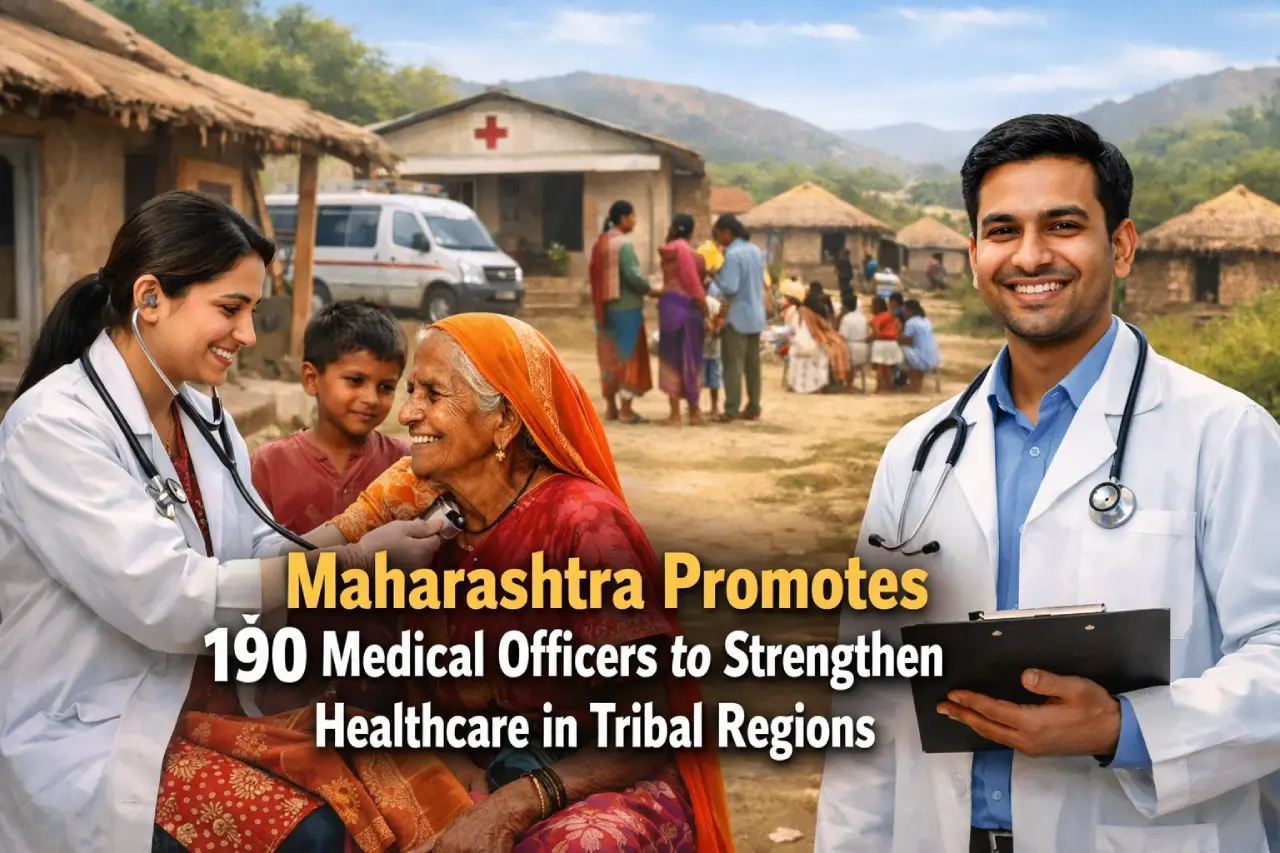
Maharashtra Promotes 190 Medical Officers to Strengthen Healthcare in Tribal Regions

Maharashtra Promotes 190 Medical Officers to Strengthen Healthcare in Tribal Regions

Maharashtra has taken a significant administrative step to improve healthcare delivery in tribal and remote regions by promoting 190 medical officers. The move is aimed at strengthening the public health system in areas that often struggle with doctor shortages and limited medical infrastructure. These promotions are expected to improve leadership at rural health facilities and ensure better coordination of healthcare services at the grassroots level.

I am writing about this development because access to quality healthcare in tribal and remote areas has been a long-standing concern in Maharashtra. Administrative decisions like timely promotions may seem routine, but they play a crucial role in motivating doctors and improving service delivery. For communities living far from urban centres, such steps can directly impact the availability and quality of medical care.

190 Medical Officers Promoted in Maharashtra

The promotions have been granted to 190 medical officers working under the state health services. These officers have been elevated to higher administrative and supervisory roles, which will allow them to take greater responsibility in managing healthcare facilities, especially in difficult-to-serve regions.

The decision has been taken by the Maharashtra Government as part of its efforts to strengthen the healthcare workforce in underserved areas.

Focus on Tribal and Remote Areas

Tribal and remote regions of Maharashtra often face challenges such as inadequate infrastructure, difficult terrain, and limited access to specialists. By promoting experienced medical officers, the state aims to improve medical supervision, planning, and service delivery in these regions.

Senior medical officers are better positioned to handle administrative issues, mentor junior doctors, and ensure that government health schemes are implemented effectively.

Why These Promotions Matter

Promotions are not just about career progression. In the healthcare system, they help in:

  • Filling leadership gaps in rural and tribal health institutions
  • Improving decision-making at district and sub-district levels
  • Retaining experienced doctors in government service
  • Boosting morale among medical officers

When doctors feel recognised, they are more likely to continue serving in challenging locations.

Expected Impact on Healthcare Services

With promoted officers taking charge, primary health centres, rural hospitals, and community health facilities are expected to function more efficiently. Better administration can lead to improved patient care, smoother implementation of health programmes, and quicker response during medical emergencies.

This step is particularly important for maternal health, child healthcare, and management of infectious diseases in tribal belts.

Long-Standing Demand of Medical Officers

For several years, medical officers had been demanding timely promotions, citing stagnation and lack of career growth. Delays in promotions often affect motivation and service delivery, especially in high-pressure environments like rural healthcare.

The recent decision addresses these concerns to a large extent and is being seen as a positive signal by the medical community.

Challenges That Still Remain

While promotions are a welcome move, experts point out that staffing shortages, infrastructure gaps, and lack of specialised facilities still remain major challenges in tribal healthcare. Promotions alone cannot solve these issues, but they form an important part of a larger reform process.

Sustained investment and policy support will be required to bring lasting improvements.

Leave a Comment

End of Article

Loading more posts...