JOIN WHATSAPP
STORIES

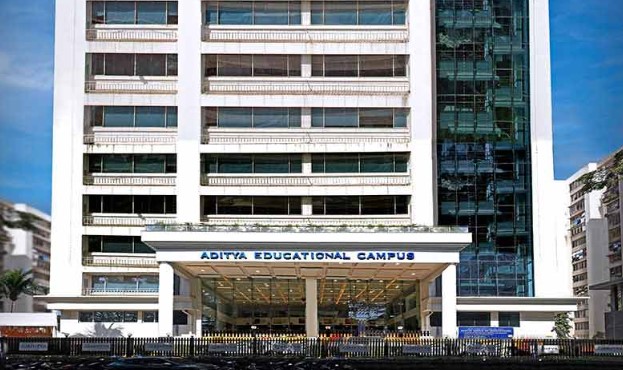
Why Aditya School of Business Management Is Emerging as a Top B-School in Mumbai

Why Aditya School of Business Management Is Emerging as a Top B-School in Mumbai

Consistent results, disciplined academic planning, and a strong focus on student outcomes have helped Aditya School of Business Management earn a place among Mumbai’s best business schools. Over the years, the institute has built a reputation for maintaining steady academic performance across batches, which has gradually strengthened its standing in the city’s competitive management education space. Students and parents alike now recognise the school for its reliability and commitment to quality education.

I am writing about this development because academic consistency is often overlooked in favour of flashy rankings or marketing claims. In reality, sustained performance over time reflects strong teaching practices, effective evaluation systems, and student-centric learning. When an institute continues to deliver solid academic outcomes year after year, it deserves attention, especially for aspirants looking for dependable management education in Mumbai.

A Track Record of Consistent Results

Aditya School of Business Management has demonstrated steady academic performance across multiple academic cycles. The institute’s students have shown consistent results in university examinations, reflecting both structured teaching methods and focused academic mentoring.

Faculty members closely track student progress and address learning gaps early, which has played a key role in maintaining stable results rather than one-time spikes.

Focus on Strong Academic Foundations

One of the major strengths of the institute lies in its emphasis on fundamentals. Instead of rushing through the syllabus, Aditya School of Business Management prioritises conceptual clarity in subjects like finance, marketing, human resources, and operations.

This approach helps students not only perform well in exams but also build a strong base for internships, projects, and future careers.

Role of Faculty and Academic Support

Experienced faculty members form the backbone of the institute’s academic success. Regular assessments, internal reviews, and doubt-solving sessions ensure that students remain aligned with academic expectations throughout the year.

The institute also encourages interactive learning through case studies, presentations, and group discussions, which strengthens both understanding and confidence.

Student Discipline and Learning Culture

Academic consistency is not achieved by faculty efforts alone. Students at Aditya School of Business Management are expected to follow a disciplined academic routine. Attendance, timely submissions, and continuous evaluation help create a serious learning environment.

This culture of responsibility has contributed significantly to the institute’s steady academic outcomes over the years.

Growing Recognition in Mumbai’s Education Space

Mumbai has no shortage of management institutes, making sustained performance even more significant. The consistent results delivered by Aditya School of Business Management have gradually improved its visibility among students seeking reliable business education options in the city.

Word-of-mouth recommendations from alumni and parents have further strengthened the institute’s reputation.

What This Means for Future Aspirants

For students planning to pursue management studies, consistent academic performance is a strong indicator of institutional stability. It suggests predictable outcomes, structured teaching, and fewer surprises during the course.

Aspirants looking for a balanced academic environment rather than short-term hype may find such institutions better suited to their long-term goals.


Leave a Comment

End of Article

Maharashtra Promotes 190 Medical Officers to Strengthen Healthcare in Tribal Regions

Maharashtra Promotes 190 Medical Officers to Strengthen Healthcare in Tribal Regions

Maharashtra has taken a significant administrative step to improve healthcare delivery in tribal and remote regions by promoting 190 medical officers. The move is aimed at strengthening the public health system in areas that often struggle with doctor shortages and limited medical infrastructure. These promotions are expected to improve leadership at rural health facilities and ensure better coordination of healthcare services at the grassroots level.

I am writing about this development because access to quality healthcare in tribal and remote areas has been a long-standing concern in Maharashtra. Administrative decisions like timely promotions may seem routine, but they play a crucial role in motivating doctors and improving service delivery. For communities living far from urban centres, such steps can directly impact the availability and quality of medical care.

190 Medical Officers Promoted in Maharashtra

The promotions have been granted to 190 medical officers working under the state health services. These officers have been elevated to higher administrative and supervisory roles, which will allow them to take greater responsibility in managing healthcare facilities, especially in difficult-to-serve regions.

The decision has been taken by the Maharashtra Government as part of its efforts to strengthen the healthcare workforce in underserved areas.

Focus on Tribal and Remote Areas

Tribal and remote regions of Maharashtra often face challenges such as inadequate infrastructure, difficult terrain, and limited access to specialists. By promoting experienced medical officers, the state aims to improve medical supervision, planning, and service delivery in these regions.

Senior medical officers are better positioned to handle administrative issues, mentor junior doctors, and ensure that government health schemes are implemented effectively.

Why These Promotions Matter

Promotions are not just about career progression. In the healthcare system, they help in:

  • Filling leadership gaps in rural and tribal health institutions
  • Improving decision-making at district and sub-district levels
  • Retaining experienced doctors in government service
  • Boosting morale among medical officers

When doctors feel recognised, they are more likely to continue serving in challenging locations.

Expected Impact on Healthcare Services

With promoted officers taking charge, primary health centres, rural hospitals, and community health facilities are expected to function more efficiently. Better administration can lead to improved patient care, smoother implementation of health programmes, and quicker response during medical emergencies.

This step is particularly important for maternal health, child healthcare, and management of infectious diseases in tribal belts.

Long-Standing Demand of Medical Officers

For several years, medical officers had been demanding timely promotions, citing stagnation and lack of career growth. Delays in promotions often affect motivation and service delivery, especially in high-pressure environments like rural healthcare.

The recent decision addresses these concerns to a large extent and is being seen as a positive signal by the medical community.

Challenges That Still Remain

While promotions are a welcome move, experts point out that staffing shortages, infrastructure gaps, and lack of specialised facilities still remain major challenges in tribal healthcare. Promotions alone cannot solve these issues, but they form an important part of a larger reform process.

Sustained investment and policy support will be required to bring lasting improvements.

Leave a Comment

End of Article

Loading more posts...