JOIN WHATSAPP
STORIES

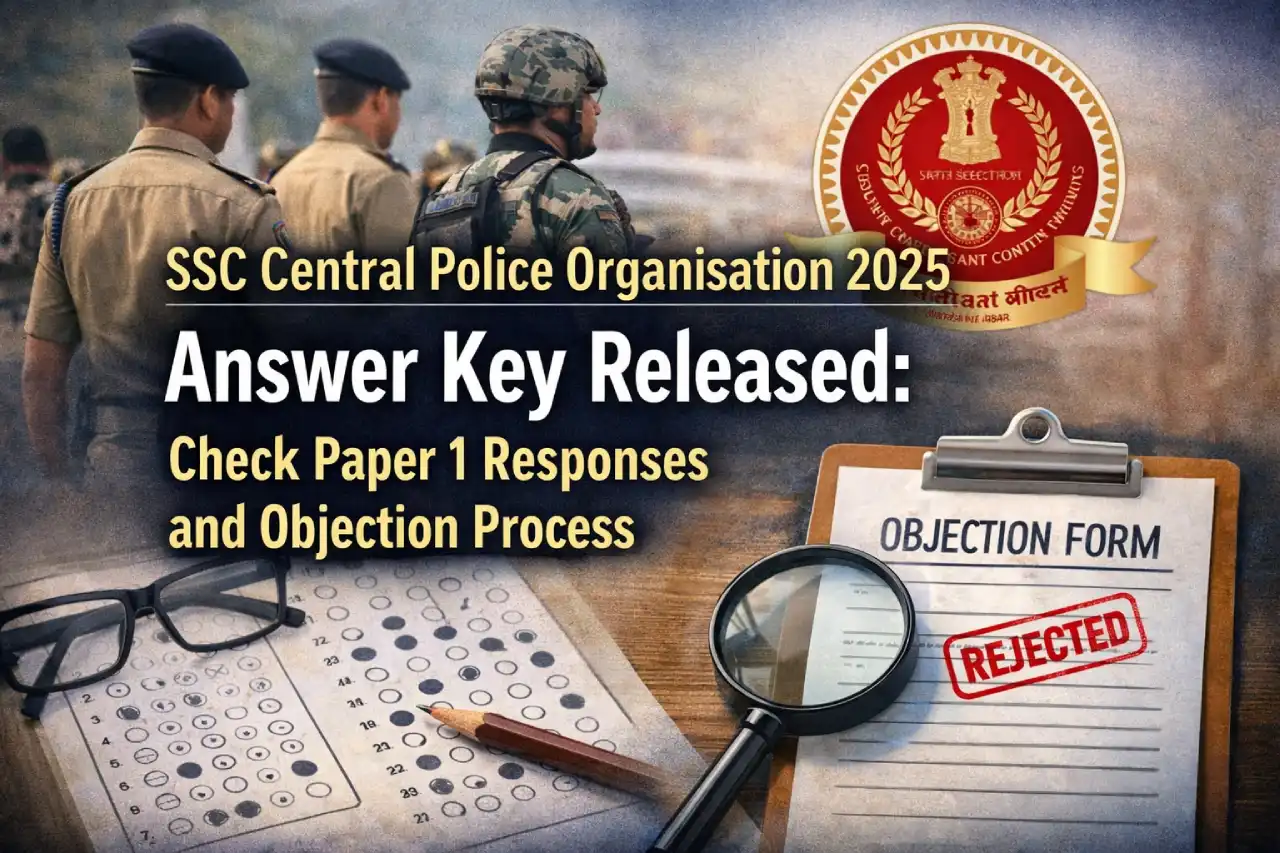
SSC Central Police Organisation 2025 Answer Key Released: Check Paper 1 Responses and Objection Process

SSC Central Police Organisation 2025 Answer Key Released: Check Paper 1 Responses and Objection Process

The Staff Selection Commission has released the tentative answer key for SSC CPO 2025 Paper 1, bringing much-awaited clarity for candidates who appeared in the examination. Along with the answer key, the commission has also made the question papers and individual response sheets available online. Candidates can check their answers, calculate expected scores, and raise objections if they find any discrepancy, within the prescribed deadline.

I am writing about this update because answer key releases are a crucial stage in competitive exams like SSC CPO. Many candidates are unsure about the objection process, deadlines, and fees involved. Missing this window means losing the chance to challenge incorrect answers. Clear information at this stage helps candidates take informed action instead of relying on rumours or unofficial sources.

SSC CPO 2025 Paper 1 Answer Key Released

The answer key has been released by the Staff Selection Commission for candidates who appeared in Paper 1 of the SSC CPO 2025 examination. The exam is conducted for recruitment of Sub-Inspectors in Delhi Police and Central Armed Police Forces.

Along with the tentative answer key, SSC has uploaded the question paper and response sheet for each candidate on its official website.

Where to Check SSC CPO Answer Key and Response Sheet

Candidates can access the following documents through the official SSC portal:

  • Tentative answer key for Paper 1
  • Question paper attempted by the candidate
  • Individual response sheet

All these are available at ssc.gov.in through candidate login.

How to Download SSC CPO 2025 Answer Key

Candidates can follow these steps to check and download the answer key:

  • Visit the official SSC website
  • Click on the link related to SSC CPO 2025 Paper 1 answer key
  • Log in using registration number and password
  • View the answer key, question paper, and response sheet
  • Download or save them for reference

It is advisable to review all answers carefully before the objection deadline.

Objection Window and Fee Details

SSC has opened the objection window for candidates who are not satisfied with the tentative answers.

Key details are as follows:

  • Last date to raise objections: December 27
  • Objection fee: Rs 50 per question
  • Mode of payment: Online

The fee is non-refundable, even if the objection is accepted.

How to Raise Objections Against Answer Key

To submit objections, candidates need to:

  • Log in to the SSC portal
  • Select the question they want to challenge
  • Upload supporting justification or explanation
  • Pay Rs 50 per question
  • Submit the objection before the deadline

Only objections submitted through the official process will be considered.
Leave a Comment

End of Article

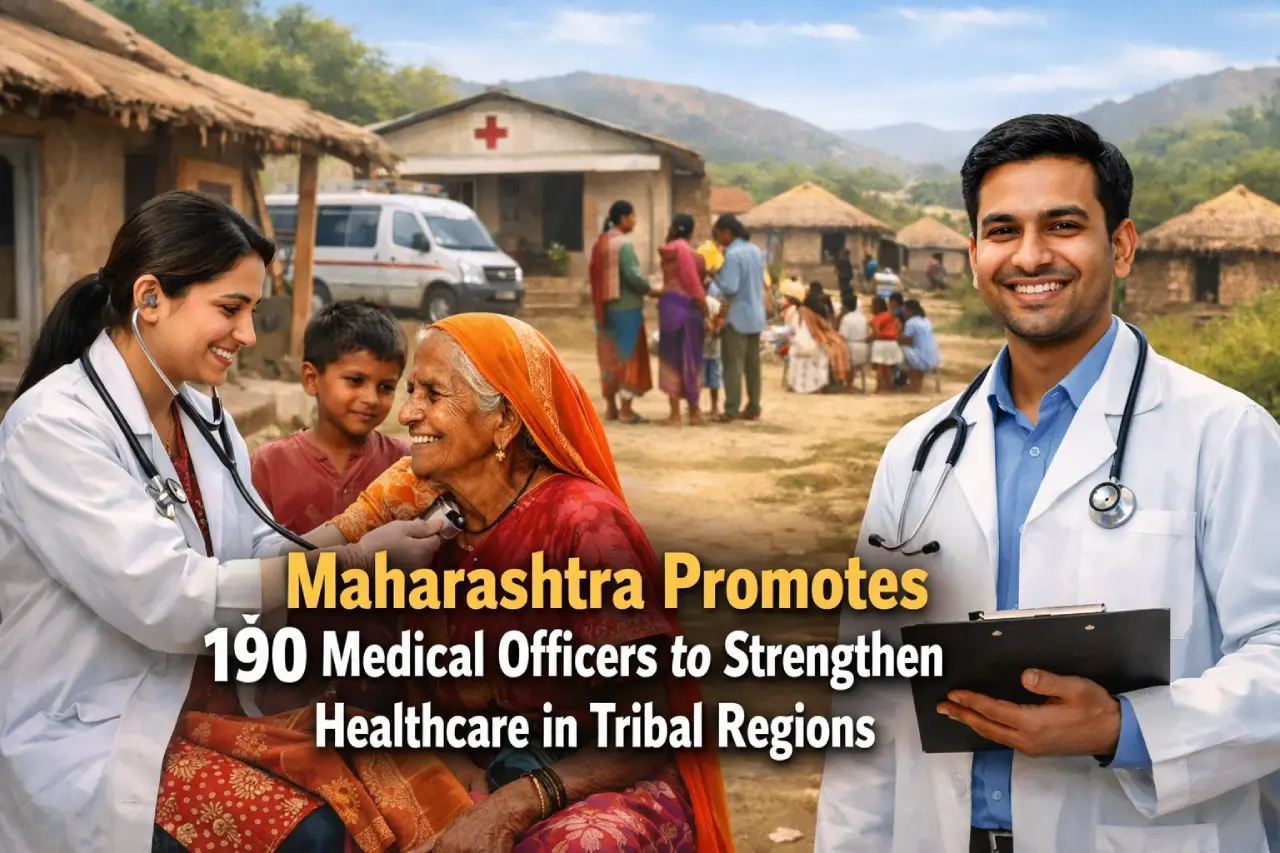
Maharashtra Promotes 190 Medical Officers to Strengthen Healthcare in Tribal Regions

Maharashtra Promotes 190 Medical Officers to Strengthen Healthcare in Tribal Regions

Maharashtra has taken a significant administrative step to improve healthcare delivery in tribal and remote regions by promoting 190 medical officers. The move is aimed at strengthening the public health system in areas that often struggle with doctor shortages and limited medical infrastructure. These promotions are expected to improve leadership at rural health facilities and ensure better coordination of healthcare services at the grassroots level.

I am writing about this development because access to quality healthcare in tribal and remote areas has been a long-standing concern in Maharashtra. Administrative decisions like timely promotions may seem routine, but they play a crucial role in motivating doctors and improving service delivery. For communities living far from urban centres, such steps can directly impact the availability and quality of medical care.

190 Medical Officers Promoted in Maharashtra

The promotions have been granted to 190 medical officers working under the state health services. These officers have been elevated to higher administrative and supervisory roles, which will allow them to take greater responsibility in managing healthcare facilities, especially in difficult-to-serve regions.

The decision has been taken by the Maharashtra Government as part of its efforts to strengthen the healthcare workforce in underserved areas.

Focus on Tribal and Remote Areas

Tribal and remote regions of Maharashtra often face challenges such as inadequate infrastructure, difficult terrain, and limited access to specialists. By promoting experienced medical officers, the state aims to improve medical supervision, planning, and service delivery in these regions.

Senior medical officers are better positioned to handle administrative issues, mentor junior doctors, and ensure that government health schemes are implemented effectively.

Why These Promotions Matter

Promotions are not just about career progression. In the healthcare system, they help in:

  • Filling leadership gaps in rural and tribal health institutions
  • Improving decision-making at district and sub-district levels
  • Retaining experienced doctors in government service
  • Boosting morale among medical officers

When doctors feel recognised, they are more likely to continue serving in challenging locations.

Expected Impact on Healthcare Services

With promoted officers taking charge, primary health centres, rural hospitals, and community health facilities are expected to function more efficiently. Better administration can lead to improved patient care, smoother implementation of health programmes, and quicker response during medical emergencies.

This step is particularly important for maternal health, child healthcare, and management of infectious diseases in tribal belts.

Long-Standing Demand of Medical Officers

For several years, medical officers had been demanding timely promotions, citing stagnation and lack of career growth. Delays in promotions often affect motivation and service delivery, especially in high-pressure environments like rural healthcare.

The recent decision addresses these concerns to a large extent and is being seen as a positive signal by the medical community.

Challenges That Still Remain

While promotions are a welcome move, experts point out that staffing shortages, infrastructure gaps, and lack of specialised facilities still remain major challenges in tribal healthcare. Promotions alone cannot solve these issues, but they form an important part of a larger reform process.

Sustained investment and policy support will be required to bring lasting improvements.

Leave a Comment

End of Article

Loading more posts...