JOIN WHATSAPP
STORIES

JEE Main 2026 Preparation Guide: High-Scoring Topics You Should Not Ignore

JEE Main 2026 Preparation Guide: High-Scoring Topics You Should Not Ignore

As JEE Main 2026 approaches, aspirants across the country are trying to fine-tune their preparation and focus on areas that can give them maximum marks with smart effort. Every year, a clear pattern emerges in the exam where certain topics consistently carry higher weightage and are comparatively easier to score if prepared well. Knowing these scoring topics early can help students plan their study time more effectively.

I am writing about these scoring topics because many students spend months studying everything equally and still struggle to improve their scores. JEE Main is not just about hard work, it is also about strategy. Understanding which chapters are frequently asked and conceptually straightforward can help aspirants boost confidence, reduce negative marking, and improve overall rank without unnecessary pressure.

Understanding the JEE Main 2026 Exam Pattern

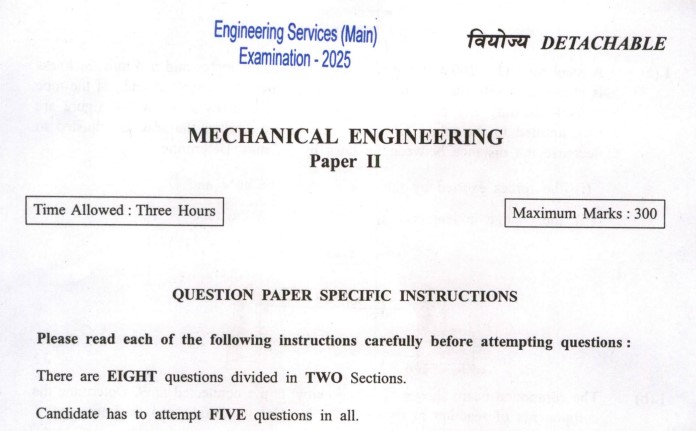
JEE Main is conducted by the National Testing Agency and tests candidates in Physics, Chemistry, and Mathematics. Each subject carries equal weightage, and questions are mostly concept-based with a mix of numerical and theoretical application.

While the syllabus is vast, past trends clearly show that some chapters are repeated regularly and contribute a significant number of questions every year.

More Scoring Topics in Physics for JEE Main 2026

Physics is often seen as tricky, but several chapters are scoring if concepts are clear.

High-scoring Physics topics include:

  • Current Electricity
  • Capacitors
  • Modern Physics
  • Semiconductor Electronics
  • Units, Dimensions, and Errors
  • Kinematics
  • Laws of Motion

Modern Physics and Semiconductor questions are usually direct and formula-based, making them ideal for quick scoring with proper revision.

More Scoring Topics in Chemistry for JEE Main 2026

Chemistry is considered the most scoring subject if prepared strategically, especially NCERT-based topics.

Important high-scoring Chemistry topics are:

  • Chemical Bonding
  • Coordination Compounds
  • Thermodynamics
  • Electrochemistry
  • Organic Chemistry basic reactions
  • Biomolecules
  • Environmental Chemistry

Inorganic and NCERT-based questions are often straightforward, so reading textbooks carefully can make a big difference.

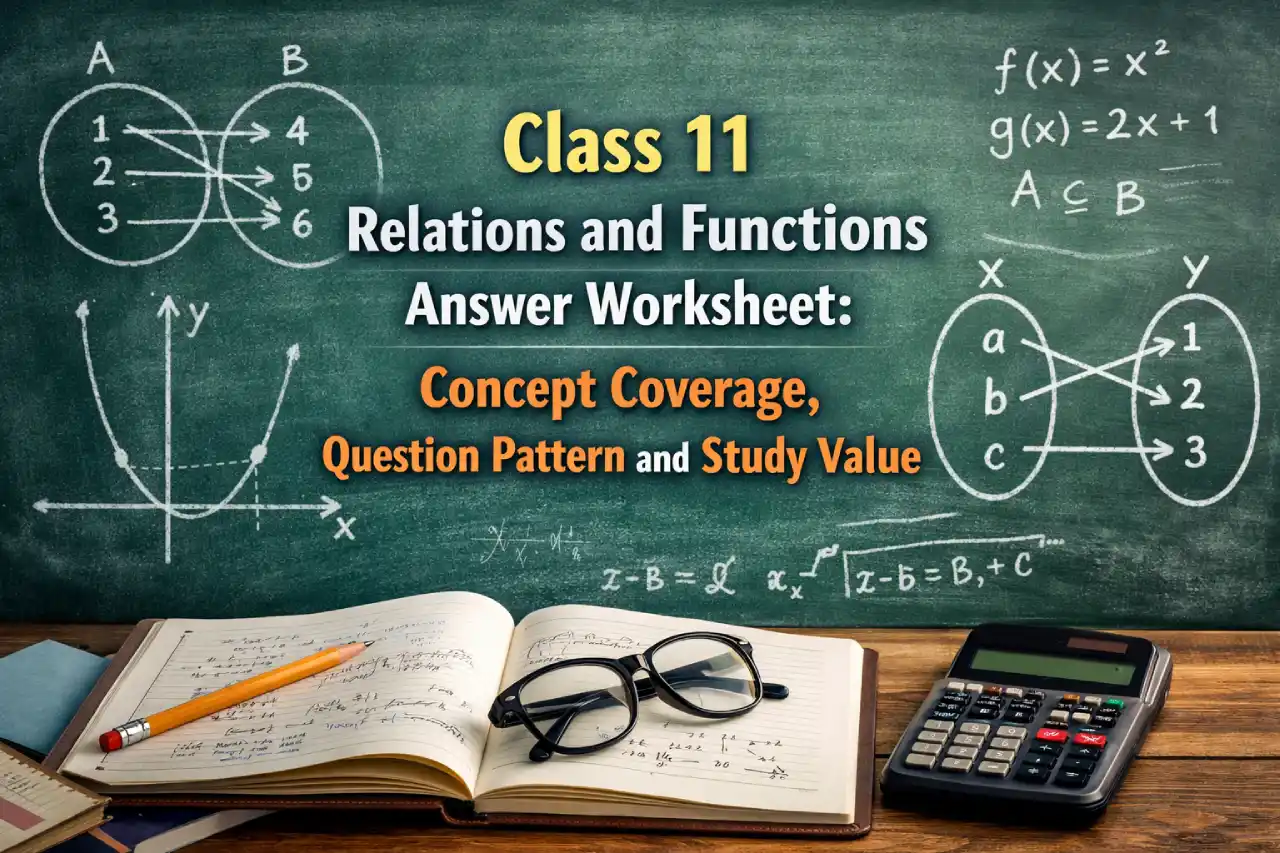
More Scoring Topics in Mathematics for JEE Main 2026

Mathematics requires practice, but some chapters consistently give good returns for effort invested.

Scoring Mathematics topics include:

  • Matrices and Determinants
  • Coordinate Geometry
  • Vector Algebra
  • 3D Geometry
  • Probability
  • Statistics
  • Quadratic Equations

These chapters have predictable question patterns and are often interlinked, making them easier to manage once concepts are clear.

How Aspirants Should Use This Information

Focusing on scoring topics does not mean ignoring the rest of the syllabus. Instead, aspirants should aim to strengthen these chapters first and then gradually cover moderate and difficult topics.

From my experience, students who secure a strong grip on scoring chapters feel more confident during the exam and attempt more questions accurately. This approach also helps in managing exam time better.

Smart Preparation Tips for JEE Main 2026

Some practical tips to make the most of scoring topics:

  • Prioritise NCERT for Chemistry
  • Revise formulas daily for Physics and Maths
  • Solve previous year questions from scoring chapters
  • Avoid guesswork to reduce negative marking
  • Focus on accuracy before speed

A balanced mix of revision and practice is key.

Leave a Comment

End of Article

UPSC Current Affairs Explained: What to Study, How to Prepare and Why It Matters

UPSC Current Affairs Explained: What to Study, How to Prepare and Why It Matters

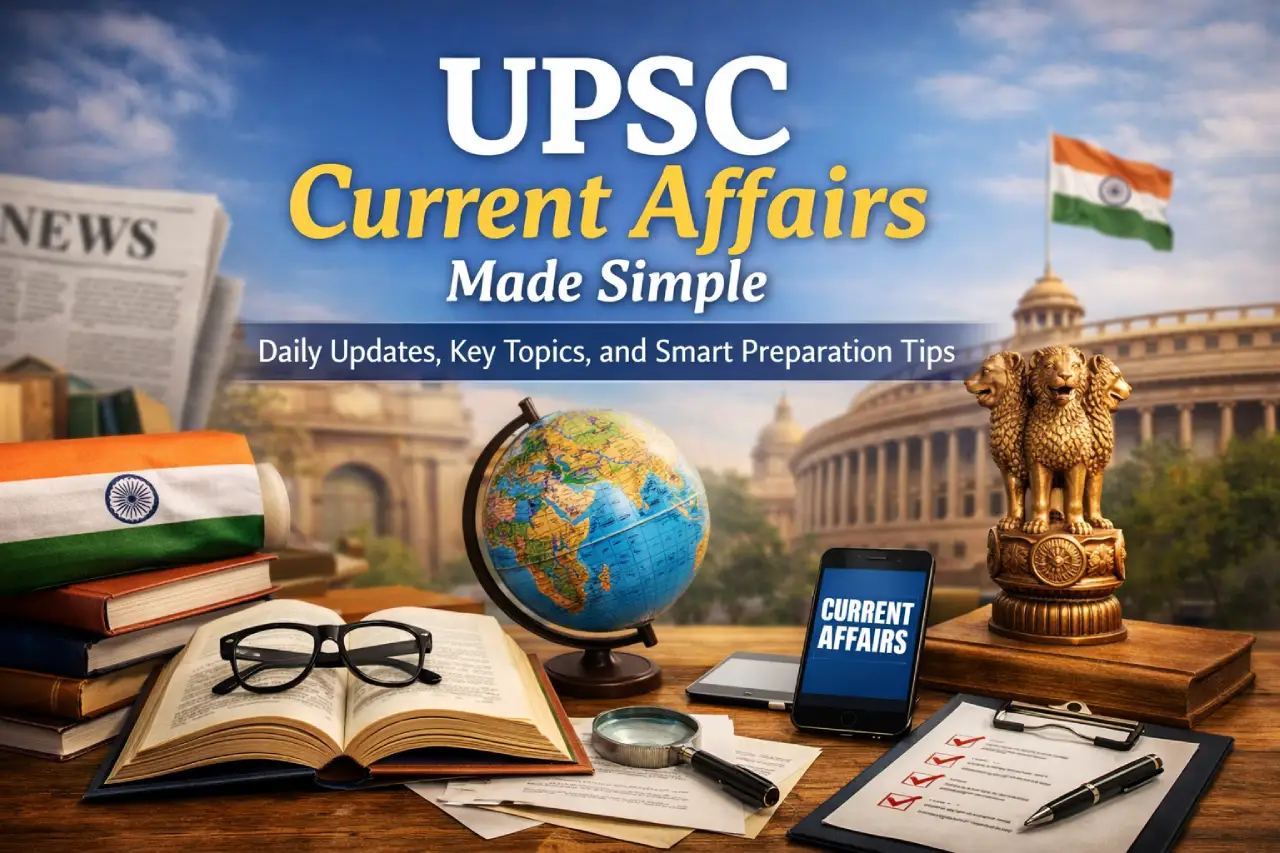
UPSC current affairs form the backbone of preparation for the Civil Services Examination. Whether it is Prelims, Mains, or the Interview stage, questions linked to recent national and international developments appear every year. These are not random news items but issues connected to governance, economy, environment, science, society, and international relations. Understanding current affairs helps aspirants link static subjects with real-world events, which is exactly what UPSC looks for in future administrators.

I am writing about UPSC current affairs because many aspirants struggle to understand what to read and what to skip. Simply reading the newspaper daily is not enough if it is not aligned with the exam’s demands. Knowing how to approach current affairs in a focused and practical way can save time and improve answer quality. This article explains what UPSC expects, how to prepare smartly, and how current affairs should be used across different stages of the exam.

What UPSC Means by Current Affairs

Current affairs for UPSC go beyond daily headlines. The exam is conducted by the Union Public Service Commission, and it focuses on issues that have relevance to policy, governance, and long-term national interest. UPSC is less interested in breaking news and more interested in background, causes, impact, and future implications of events.

Role of Current Affairs in Prelims

In the Preliminary examination, current affairs questions are often factual but linked to concepts. Topics usually include:

  • Government schemes and policies
  • International organisations and summits
  • Environment and ecology-related developments
  • Science and technology updates
  • Economy-related news and reports

Prelims questions test awareness and clarity, not deep analysis.

Role of Current Affairs in Mains

In the Mains examination, current affairs become even more important. Questions demand analytical answers, linking news with syllabus topics.

In Mains, current affairs help in:

  • General Studies Paper II for governance and international relations
  • General Studies Paper III for economy, environment, security, and technology
  • Essay paper where real examples strengthen arguments

Here, understanding context matters more than memorising facts.

Current Affairs for the Interview Stage

During the personality test, current affairs help assess a candidate’s awareness, opinion, and balanced thinking. Interview questions are often based on:

  • Recent national and global issues
  • A candidate’s optional subject linked to current events
  • Issues related to the candidate’s home state or background

Clear and calm opinions make a strong impression.

What Topics Aspirants Should Focus On

Instead of reading everything, aspirants should prioritise:

  • Government policies and flagship schemes
  • Supreme Court and constitutional developments
  • International relations involving India
  • Economic reforms and reports
  • Environmental issues and climate change
  • Science and technology with practical applications

From my experience, quality matters far more than quantity.

How to Read Current Affairs Effectively

A smart approach works better than long reading hours.

  • Read newspapers with syllabus in mind
  • Make short, structured notes
  • Link news with static subjects
  • Revise monthly and yearly compilations
  • Practise answer writing using current examples

This method helps retain information and use it effectively in answers.

Common Mistakes to Avoid

Many aspirants make avoidable errors, such as:

  • Reading too many sources
  • Memorising facts without understanding
  • Ignoring revision
  • Treating current affairs as a separate subject

Current affairs should be integrated, not isolated.

Leave a Comment

End of Article

Loading more posts...

Related Post