JOIN WHATSAPP
STORIES

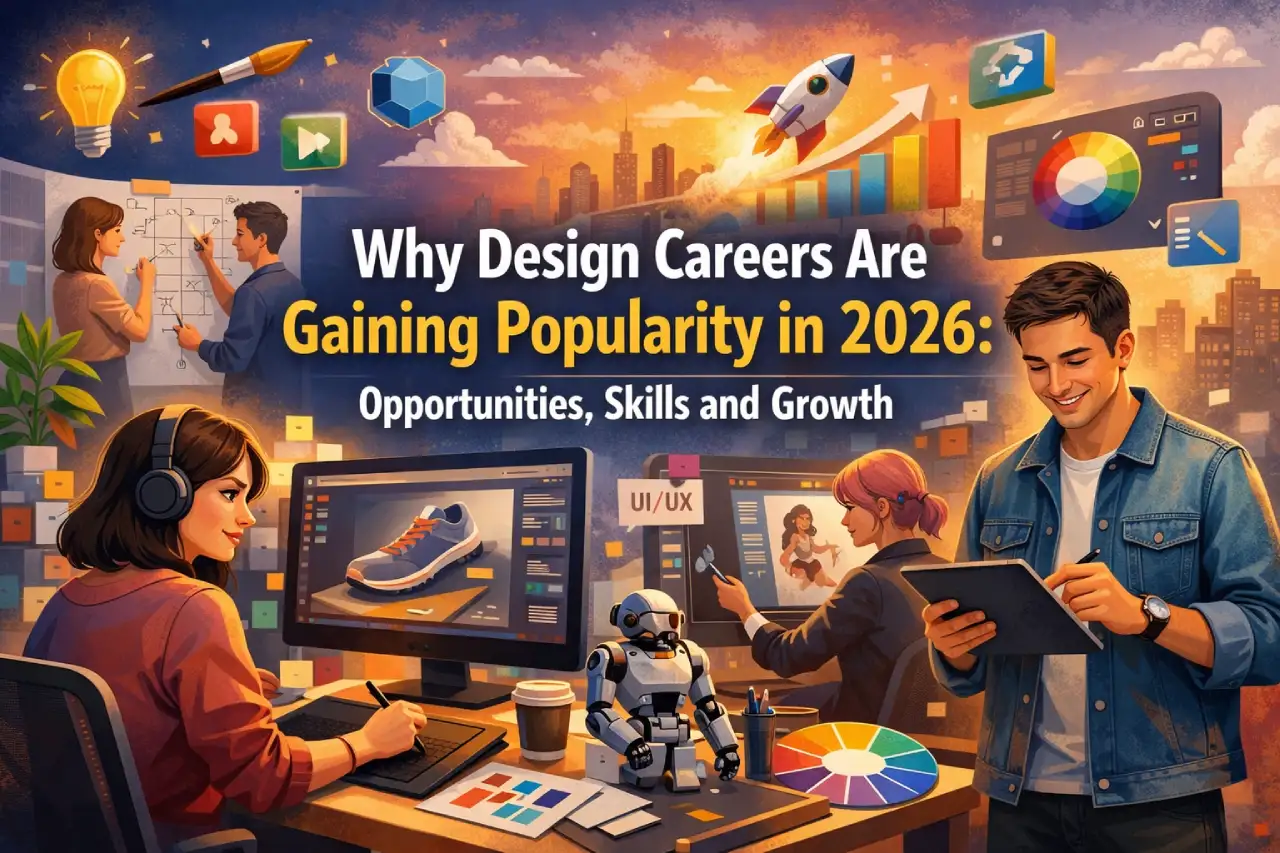
Why Design Careers Are Gaining Popularity in 2026: Opportunities, Skills and Growth

Why Design Careers Are Gaining Popularity in 2026: Opportunities, Skills and Growth

Design is no longer limited to art studios or fashion houses. In 2026, design has become a powerful career choice that blends creativity with technology, business and problem-solving. From digital products and user experiences to sustainable architecture and branding, designers are playing a central role in shaping how people interact with the world. Students who choose design today are stepping into a field that is dynamic, future-focused and full of diverse opportunities.

I am writing about this topic because many students and parents still see design as a risky or unconventional career path. In reality, design has evolved into a stable and respected profession with strong demand across industries. Understanding the real career benefits of selecting design in 2026 can help students make informed choices about their education and future.

Design Is In Demand Across Multiple Industries

One of the biggest advantages of choosing design is its wide applicability. Designers are required in almost every sector today.

Some key industries hiring designers include:

  • Technology and software companies
  • Advertising and digital marketing agencies
  • Fashion and lifestyle brands
  • Architecture and interior design firms
  • Gaming and animation studios
  • Media, publishing and entertainment

This broad demand means students are not restricted to a single industry and can shift domains as their interests grow.

Strong Career Growth And Salary Potential

Design careers have seen steady growth over the last decade, and this trend is expected to continue in 2026 and beyond. Skilled designers, especially those with digital and technical expertise, are commanding competitive salaries.

High-growth design roles include:

  • UI/UX Designer
  • Product Designer
  • Motion Graphics Designer
  • Game Designer
  • Industrial and Automobile Designer
  • Interaction Designer

With experience, designers can move into senior, lead or managerial positions, further improving earning potential.

Opportunity To Combine Creativity With Technology

Modern design is deeply connected with technology. Students who enjoy both creativity and digital tools find design to be a perfect fit.

Designers today work with:

  • Design software and prototyping tools
  • Coding basics and no-code platforms
  • Artificial intelligence-assisted design tools
  • Virtual and augmented reality environments

This blend of art and tech makes the profession exciting and future-ready.

Freelancing And Entrepreneurship Options

Another major benefit of selecting design is the flexibility it offers. Many designers choose to work as freelancers or start their own studios and brands.

Advantages of this path include:

  • Freedom to choose projects
  • Ability to work with global clients
  • Potential to earn multiple income streams
  • Opportunity to build a personal brand

For students who dream of independence, design offers strong entrepreneurial possibilities.

Global Career Opportunities

Design skills are universal. A strong portfolio can open doors to international jobs, remote work, and overseas study opportunities.

Designers can work with:

  • International companies
  • Global startups
  • Foreign universities and research labs
  • International NGOs and organisations

This global reach makes design an attractive option for students who want worldwide exposure.

Continuous Learning And Skill Upgradation

Design is a field that constantly evolves. New tools, trends and technologies keep emerging, which encourages lifelong learning.

Students benefit from:

  • Regular skill upgrades
  • Short-term certifications and workshops
  • Online courses and communities
  • Exposure to new creative challenges

This keeps the career fresh and engaging over time.

Personal Satisfaction And Impact

Designers do more than create visuals. They solve real-world problems, improve user experiences and shape products and services that people use every day.

This brings:

  • Sense of purpose
  • Creative fulfilment
  • Recognition for original work
  • Opportunity to influence society and culture

For many, this emotional satisfaction is as important as financial rewards.

Leave a Comment

End of Article

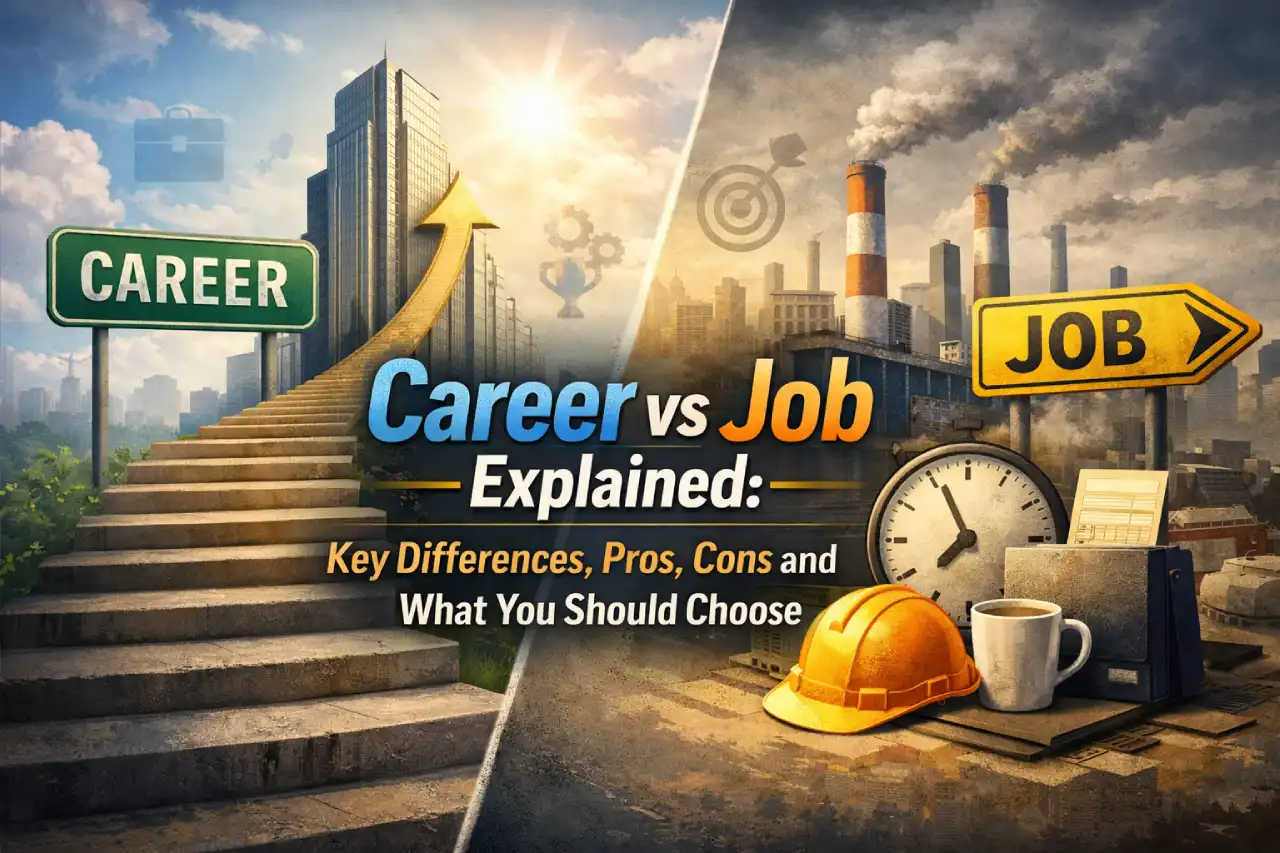
Career vs Job Explained Clearly: Key Differences, Examples and How to Choose the Right Path

Career vs Job Explained Clearly: Key Differences, Examples and How to Choose the Right Path

If you are confused between a job and a career, you are not alone. Many people use these two words interchangeably, but they actually mean different things. A job is something you do to earn money, usually for a short-term purpose, while a career is a long-term journey built around your skills, interests, and goals. Understanding this difference is important, especially if you are planning your future or thinking about what you really want to achieve in life.

I am writing about this because I have seen many students and even working professionals struggle with this confusion. Some people jump from one job to another without direction, while others feel stuck because they are not sure what they are working towards. Knowing the difference between a job and a career can help you make better decisions, stay focused, and build a path that gives both financial stability and personal satisfaction.

What is a Job

A job is a role where you work for a company or organisation in exchange for money.

Key features of a job:

  • Short-term focus
  • Mainly done to earn income
  • Limited connection with long-term goals
  • Fixed responsibilities
  • Less emphasis on growth or passion

For example, working as a cashier, delivery executive, or temporary office assistant can be considered a job.

What is a Career

A career is a long-term professional journey where you grow, learn, and build your identity over time.

Key features of a career:

  • Long-term vision
  • Focus on growth and development
  • Connected with your interests and skills
  • Offers progression and opportunities
  • Builds expertise over time

For example, becoming a teacher, engineer, doctor, or writer is part of a career path.

Career vs Job: Key Differences

Here is a simple comparison to understand the difference clearly:

AspectJobCareer
DurationShort-termLong-term
PurposeEarn moneyBuild future
GrowthLimitedContinuous
MotivationSalaryPassion + growth
StabilityTemporaryMore stable over time

From my perspective, a job can be a part of your career, but not every job leads to a meaningful career.

Can a Job Become a Career

Yes, a job can turn into a career if you approach it with the right mindset.

  • If you learn new skills in your job
  • If you grow within the same field
  • If you set long-term goals

For example, starting as a junior employee and growing into a manager or expert can turn a job into a career.

Why Understanding the Difference Matters

Knowing the difference can help you:

  • Make better career decisions
  • Avoid feeling lost or stuck
  • Choose jobs that align with your goals
  • Plan your future more effectively

In my opinion, this clarity can save you years of confusion and frustration.

How to Choose Between a Job and a Career

If you are just starting out, it is okay to take a job. But over time, you should think about building a career.

Ask yourself:

  • What are my interests and strengths
  • Where do I see myself in 5 or 10 years
  • Am I learning something valuable in my current role
  • Does this job help me grow

Your answers will guide your decisions.

Common Mistakes People Make

Many people unknowingly make these mistakes:

  • Choosing jobs only based on salary
  • Not planning long-term goals
  • Ignoring skill development
  • Staying in comfort zones for too long

From what I have seen, avoiding these mistakes can make a big difference in your journey.

Tips to Build a Strong Career

If you want to move from a job mindset to a career mindset, here are some simple tips:

  • Keep learning and upgrading your skills
  • Set clear long-term goals
  • Network with people in your field
  • Take calculated risks
  • Stay consistent and patient

Building a career takes time, but it is worth the effort.

Leave a Comment

End of Article

Loading more posts...