JOIN WHATSAPP
STORIES

Kerala School Timings Won’t Change, But Minister V Sivankutty Open to Dialogue

Kerala School Timings Won’t Change, But Minister V Sivankutty Open to Dialogue

Kerala’s Education Minister V Sivankutty has made it clear that the government is not planning to roll back the recently implemented revised school timings. However, he also said the department is open to discussion with stakeholders. The new school timing policy has attracted strong reactions, particularly from teacher associations and some parent groups who feel the change is causing disruptions in daily routines and academic flow.

I decided to write about this because the issue of school timing is not just about the clock — it reflects a broader debate about how our education system should function in a changing society. Students’ daily routines, teachers’ workloads, and even parents’ schedules are all shaped by how a school day is structured. And when the government steps in to make a significant change like this, people deserve to know the reasoning behind it and the responses it has received. Understanding both sides of the argument helps us think critically about what changes are truly in the best interest of our students.

Why the School Timing Change Matters

The revised school timings were introduced with the aim of improving learning outcomes and aligning the academic schedule with modern demands. As per the new timing structure, most government and aided schools now begin classes by 8:00 AM and run until 4:00 PM, including lunch and co-curricular activity time.

The government believes that this shift allows for:

  • More effective classroom hours during morning productivity peaks
  • Adequate time for extracurricular activities and skill development
  • Smooth alignment with other department schedules such as transport and mid-day meals

However, critics argue that the longer hours are straining both teachers and students. The Kerala School Teachers’ Association (KSTA) and other unions have voiced concerns about exhaustion, travel time, and lack of flexibility, especially in rural areas where commute time is longer.

Minister’s Stand and Response to Opposition

Minister V Sivankutty firmly stated that the revised timings were implemented after thorough planning and are in line with the National Education Policy (NEP). He also said the policy is designed to make better use of the school day and provide holistic education beyond textbook learning.

At the same time, he acknowledged the backlash and expressed willingness to talk. “We are open to hearing suggestions, but as of now, there’s no scope to rethink the decision,” he told the media.

This openness to discussion is crucial. While the government has taken a strong position on not reversing the timings, it is still inviting feedback from schools, parent bodies, and unions. This signals a possible space for minor adjustments or future tweaks depending on how the system adapts.

What It Means for Students and Teachers

Here are a few things that directly impact students and educators:

  • Teachers now have extended duty hours and may need time to adjust to the new schedule
  • Students, especially those from far-off areas, may need to wake up earlier, affecting their sleep and family routine
  • Longer school hours could impact tuition schedules or time for self-study in the evenings
  • On the upside, schools may now include more physical education, arts, and counselling sessions

Parents are also trying to balance the early morning logistics, especially for younger children.
Leave a Comment

End of Article

The Pride of Uniform Meets the Future of Tech: Nagpur to Become NCC’s ‘Power House’ under Major General Vivek Tyagi’s New Vision

The Pride of Uniform Meets the Future of Tech: Nagpur to Become NCC’s ‘Power House’ under Major General Vivek Tyagi’s New Vision

Umesh Varma (Senior Photojournalist)
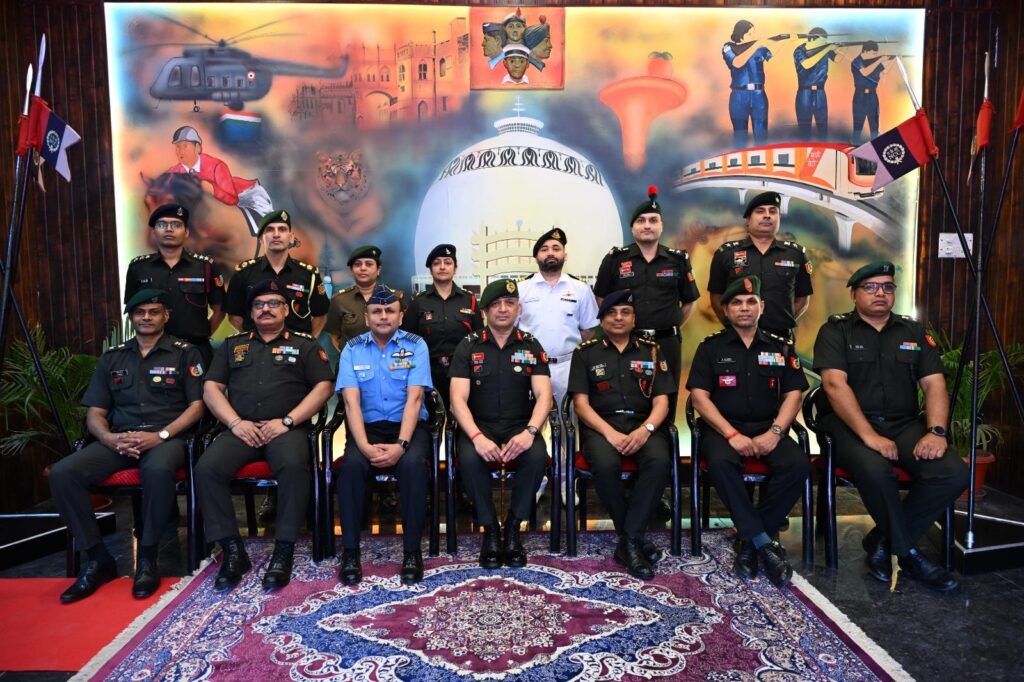
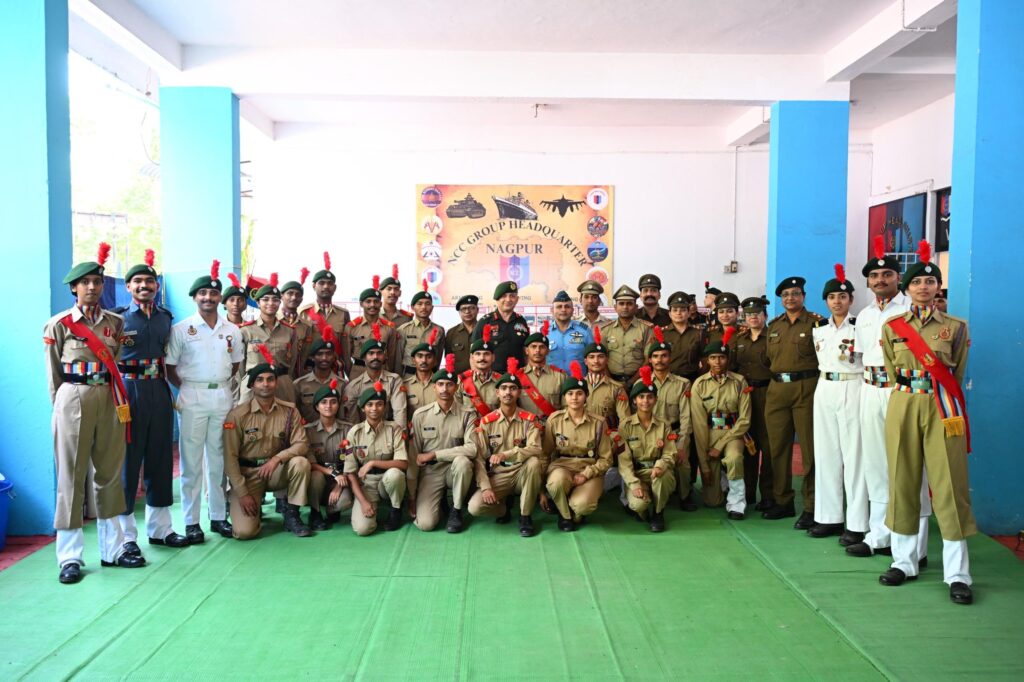
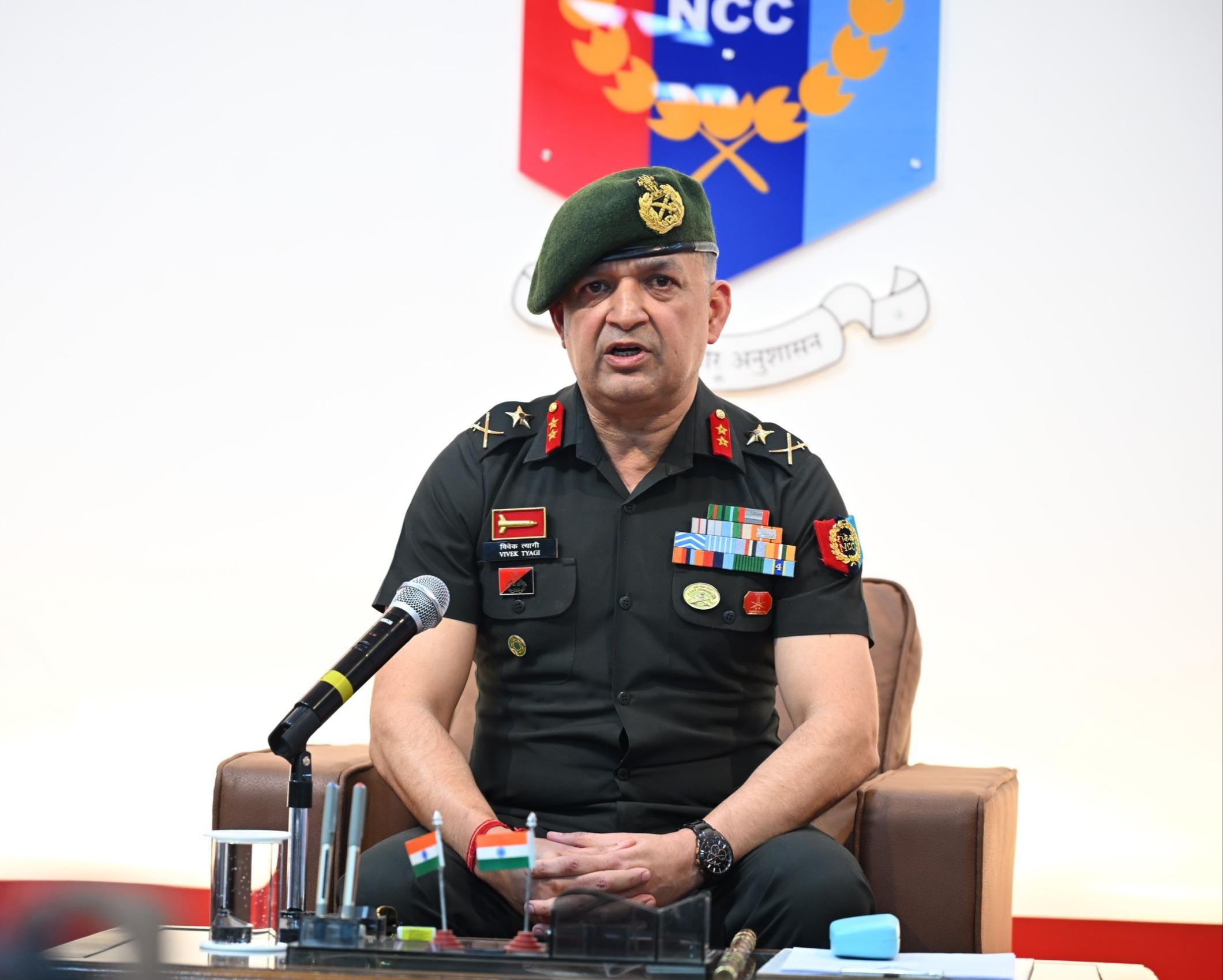
Nagpur | April 29, 2026: “Mastering Drones and Cyber Security is not just the geographical heart of India; it is now set to become the ‘Center of Excellence’ that will give wings to the dreams of NCC cadets across the nation.” These inspiring words were shared by Major General Vivek Kumar Tyagi, Additional Director General (ADG) of NCC Maharashtra, during a special press conference held today. On the first day of his three-day administrative visit, the Major General unveiled a transformative roadmap for the youth and the future of the NCC.

Mastering Drones and Cyber Security

Major General Tyagi announced that a state-of-the-art ‘Drone Training Academy’ is being established in Nagpur. This academy will be unique as it focuses on creating ‘Master Drone Trainers’—cadets and instructors who will go on to train others across various divisions in India. Recognizing the digital age’s challenges, he also highlighted a dedicated ‘Cyber Awareness’ initiative and tech-based skilling, ensuring that cadets are not just physically fit but technologically superior and ready for the future.

Nagpur: A Nursery for Future Officers and Leaders

The Pride of Uniform Meets the Future of Tech: Nagpur to Become NCC’s ‘Power House’ under Major General Vivek Tyagi’s New Vision

The Major General expressed immense pride in the dedication of Nagpur’s youth. He revealed that in just the past few months, 12 to 14 cadets from Nagpur alone have successfully cleared their boards to join the Armed Forces as officers. Whether through the Agniveer scheme, the Armed Forces, or the Maharashtra Police, NCC cadets are leading the way with the motto of ‘Nation First.’ He also noted that the training of civil staff, such as Girl Cadet Instructors (GCI) and Caretaker Officers (CTO) at the Officer Training Academy (OTA) in Kamthi, is playing a pivotal role in expanding the NCC’s reach

Meeting the Surge in Demand: 160 Institutions on Waiting List

The growing craze for the NCC among today’s youth is evident: currently, 160 schools and colleges in Nagpur are on the waiting list to start NCC units. To meet this demand, Major General Tyagi called upon the State Government for support in building a World-Class NCC Academy in Nagpur. He emphasized that the goal is not just to reach the milestone of 1.5 lakh cadets, but to reach the most remote areas of Maharashtra, transforming every student into a confident, resilient, and patriotic leader.

Empowering Daughters and Global Exposure

The Pride of Uniform Meets the Future of Tech: Nagpur to Become NCC’s ‘Power House’ under Major General Vivek Tyagi’s New Vision

A significant highlight of the briefing was the rising strength of women in the corps, with the gender ratio now approaching 60:40. Through the ‘Youth Exchange Program,’ cadets are also interacting with international students, gaining global perspectives and representing India’s diversity. Major General Tyagi concluded by stating that the NCC is more than just a career path; it is a workshop that builds character, discipline, and the best version of a human being.

Leave a Comment

End of Article

Loading more posts...