JOIN WHATSAPP
STORIES

Over 60% Upper Secondary Students Learn Two or More Languages in School: Eurostat Report

Over 60% Upper Secondary Students Learn Two or More Languages in School

According to a recent report by Eurostat, around 60% of students enrolled in upper secondary education across Europe are learning two or more foreign languages. The trend shows that multilingual education is not just a requirement but is increasingly being adopted across several countries. In some nations like France and Romania, the percentage is even higher, while others are slowly catching up. The push for language learning is aimed at making students more competitive in a globalised world.

I’m writing about this topic because it highlights an important shift in how education systems are adapting to a connected and multilingual world. Knowing more than one language is no longer just a bonus; it’s becoming a basic skill. In a country like India where linguistic diversity is already high, the European model offers useful insights. We need to ask ourselves how well we’re preparing students for a global stage, and if we’re giving enough importance to language learning in our own upper secondary schools.

Multilingualism Becoming the Norm in Secondary Classrooms

Learning multiple languages is no longer limited to elite or international schools. According to the Eurostat data, countries like France (96%), Romania (97%), and Finland (98%) report that nearly all students at the upper secondary level study at least two foreign languages. The EU average stands at 60.1%, and this number has been fairly stable since 2021.

Here are a few standout examples from the report:

  • Luxembourg: Every student learns three languages by default
  • France: 96% of students learn two or more foreign languages
  • Romania: Over 97% students study at least two foreign languages
  • Czechia and Finland: Numbers exceed 90%

Meanwhile, countries like Ireland and Greece report significantly lower percentages, with less than 20% of students studying multiple foreign languages.

Why Language Learning at This Level Matters

Upper secondary education is a crucial stage before higher education or entry into the workforce. Learning more than one language at this level helps students:

  • Improve cognitive skills and memory
  • Access higher education opportunities abroad
  • Compete in international job markets
  • Build intercultural communication skills

In many cases, knowing multiple languages opens up doors to careers in diplomacy, tourism, content localisation, international trade, and more. It also helps promote social cohesion in multicultural environments.

What Can India Learn from This?

India is naturally multilingual, but structured foreign language learning at the school level is still limited. Most students learn regional languages and English, but few get access to third-language options like German, French, or Mandarin unless they are in urban or private institutions.

To bring multilingual education to a wider base, the following can be considered:

  • Introduce more foreign language electives in state board and CBSE schools
  • Partner with international cultural bodies like Alliance Française, Goethe-Institut, and Instituto Cervantes
  • Use tech tools and apps to make language learning affordable and accessible
Leave a Comment

End of Article

The Pride of Uniform Meets the Future of Tech: Nagpur to Become NCC’s ‘Power House’ under Major General Vivek Tyagi’s New Vision

The Pride of Uniform Meets the Future of Tech: Nagpur to Become NCC’s ‘Power House’ under Major General Vivek Tyagi’s New Vision

Umesh Varma (Senior Photojournalist)
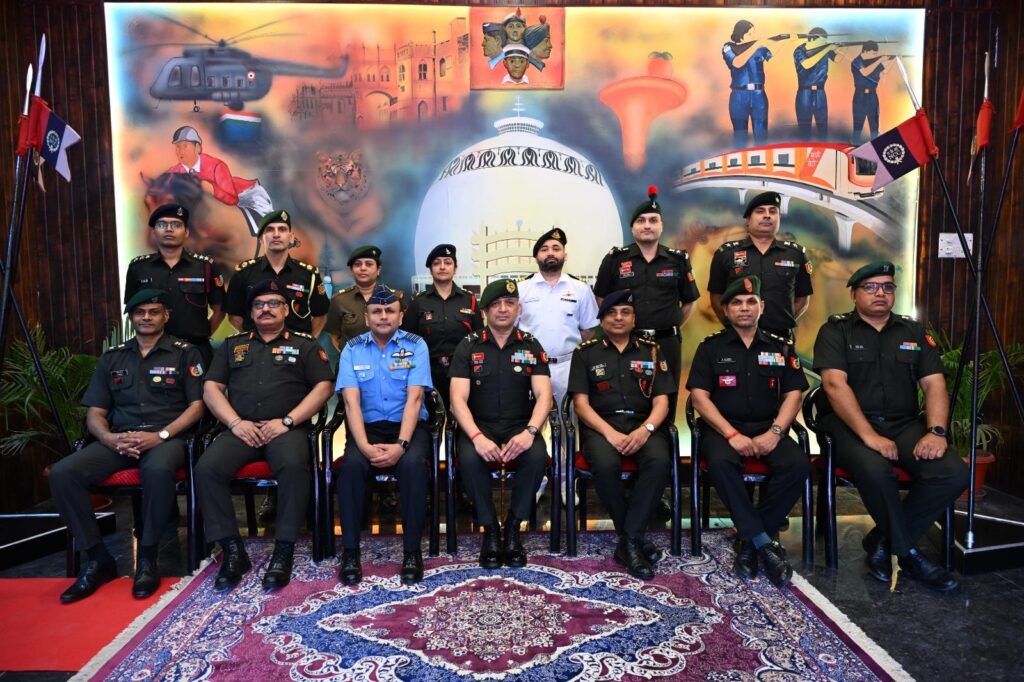
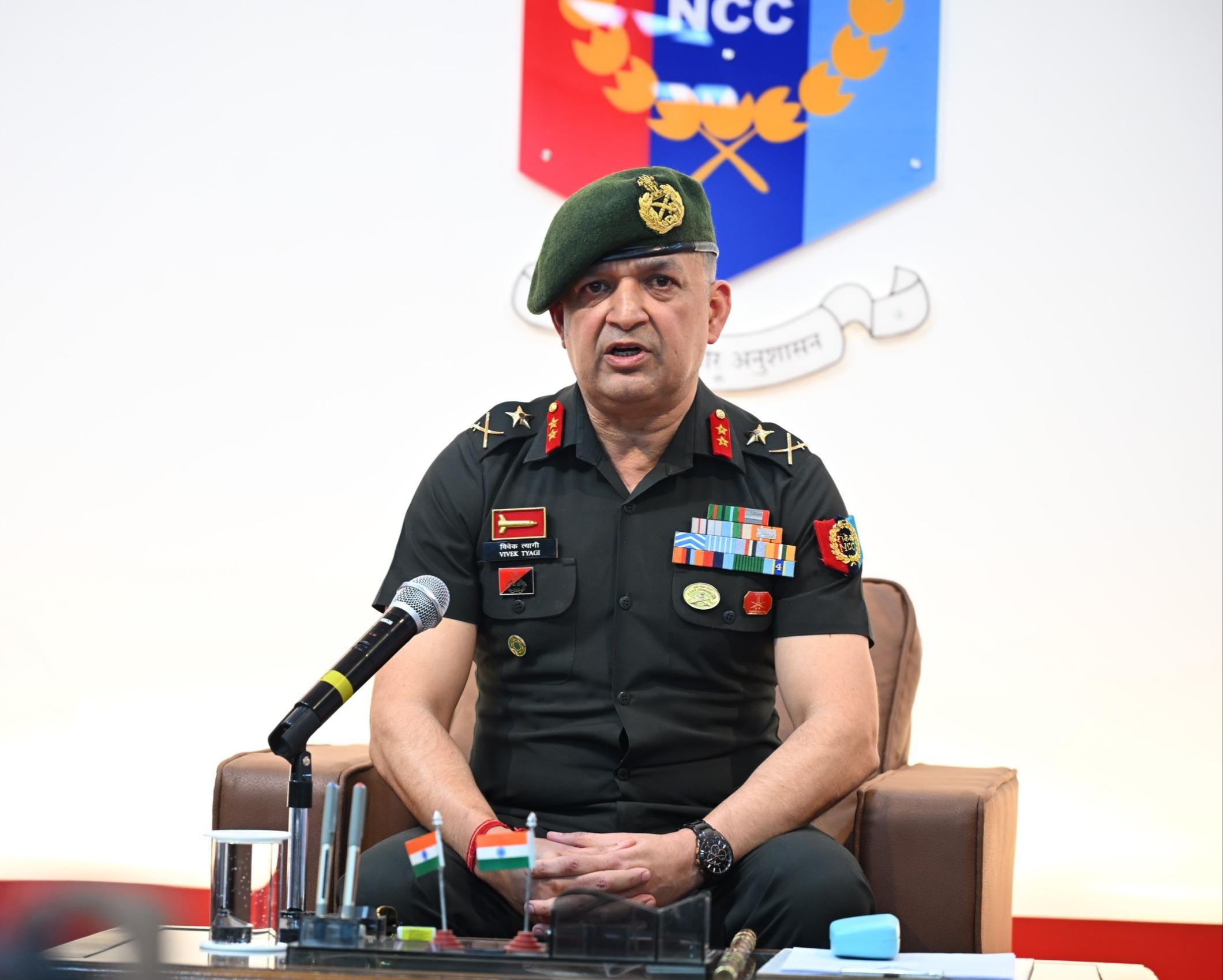
Nagpur | April 29, 2026: “Mastering Drones and Cyber Security is not just the geographical heart of India; it is now set to become the ‘Center of Excellence’ that will give wings to the dreams of NCC cadets across the nation.” These inspiring words were shared by Major General Vivek Kumar Tyagi, Additional Director General (ADG) of NCC Maharashtra, during a special press conference held today. On the first day of his three-day administrative visit, the Major General unveiled a transformative roadmap for the youth and the future of the NCC.

Mastering Drones and Cyber Security

Major General Tyagi announced that a state-of-the-art ‘Drone Training Academy’ is being established in Nagpur. This academy will be unique as it focuses on creating ‘Master Drone Trainers’—cadets and instructors who will go on to train others across various divisions in India. Recognizing the digital age’s challenges, he also highlighted a dedicated ‘Cyber Awareness’ initiative and tech-based skilling, ensuring that cadets are not just physically fit but technologically superior and ready for the future.

Nagpur: A Nursery for Future Officers and Leaders

The Pride of Uniform Meets the Future of Tech: Nagpur to Become NCC’s ‘Power House’ under Major General Vivek Tyagi’s New Vision

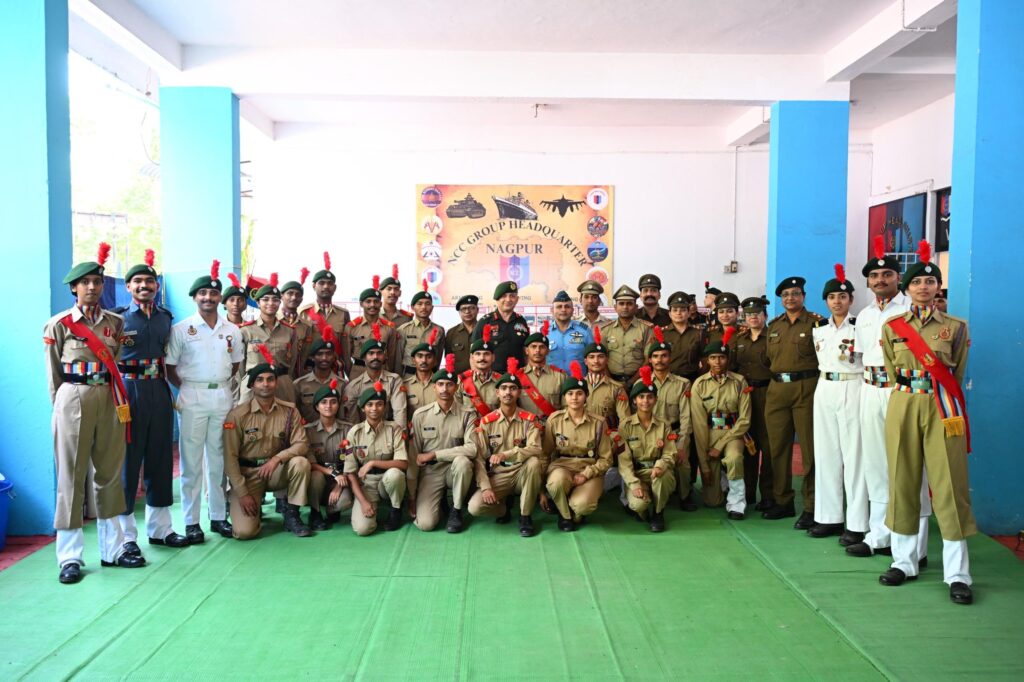
The Major General expressed immense pride in the dedication of Nagpur’s youth. He revealed that in just the past few months, 12 to 14 cadets from Nagpur alone have successfully cleared their boards to join the Armed Forces as officers. Whether through the Agniveer scheme, the Armed Forces, or the Maharashtra Police, NCC cadets are leading the way with the motto of ‘Nation First.’ He also noted that the training of civil staff, such as Girl Cadet Instructors (GCI) and Caretaker Officers (CTO) at the Officer Training Academy (OTA) in Kamthi, is playing a pivotal role in expanding the NCC’s reach

Meeting the Surge in Demand: 160 Institutions on Waiting List

The growing craze for the NCC among today’s youth is evident: currently, 160 schools and colleges in Nagpur are on the waiting list to start NCC units. To meet this demand, Major General Tyagi called upon the State Government for support in building a World-Class NCC Academy in Nagpur. He emphasized that the goal is not just to reach the milestone of 1.5 lakh cadets, but to reach the most remote areas of Maharashtra, transforming every student into a confident, resilient, and patriotic leader.

Empowering Daughters and Global Exposure

The Pride of Uniform Meets the Future of Tech: Nagpur to Become NCC’s ‘Power House’ under Major General Vivek Tyagi’s New Vision

A significant highlight of the briefing was the rising strength of women in the corps, with the gender ratio now approaching 60:40. Through the ‘Youth Exchange Program,’ cadets are also interacting with international students, gaining global perspectives and representing India’s diversity. Major General Tyagi concluded by stating that the NCC is more than just a career path; it is a workshop that builds character, discipline, and the best version of a human being.

Leave a Comment

End of Article

Loading more posts...