Current affairs form the backbone of UPSC Mains preparation. Every day’s developments connect directly or indirectly with the syllabus, whether it is governance, economy, international relations, environment or social issues. For aspirants preparing seriously for Mains, it is important not just to read news, but to understand the background, implications and way forward.
I am writing about UPSC Mains Current Affairs for 16 February 2026 to help aspirants focus on the most relevant themes of the day in a structured manner. These issues are selected keeping in mind their potential to be asked as Mains questions and their linkage with static topics. Use these notes to enrich your answers with examples, facts and analytical depth.
India’s Vision of Becoming a Global Economic Power
India has reiterated its long-term ambition of becoming the second-largest economy in PPP terms by 2050 and the largest in nominal terms by 2075.
Key points to note:
- Emphasis on manufacturing, infrastructure and digital economy
- Focus on skilling and human capital development
- Need for education and innovation-led growth
Mains relevance:
- GS Paper 3: Economic development, growth strategies
- GS Paper 2: Government policies and reforms
You can link this with inclusive growth, demographic dividend and education reforms.
Reforms in School and Board Examination Systems
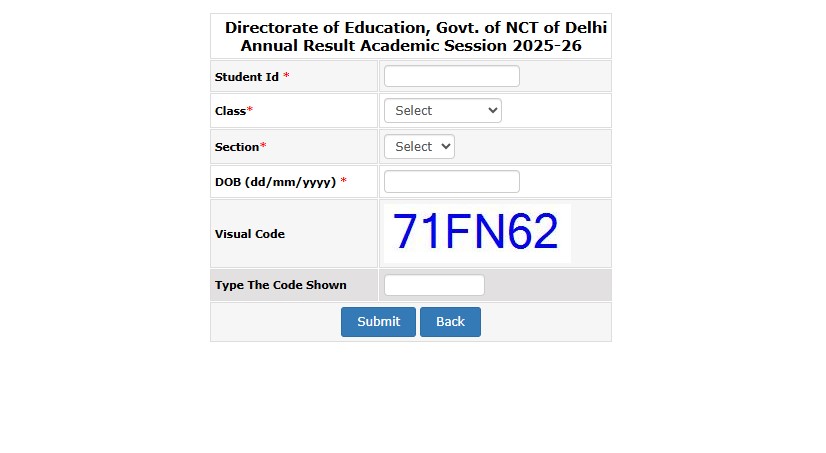
Recent announcements regarding digital evaluation of answer sheets and changes in post-result processes show a shift towards technology-driven governance in education.
Important aspects:
- Faster and more transparent evaluation
- Reduced human error
- Need for data security and privacy
Mains relevance:
- GS Paper 2: Education sector reforms
- Essay: Technology and governance
You may discuss advantages, challenges and implementation issues.
Strengthening Healthcare Infrastructure
Approval of funds for setting up cardiac cath labs in multiple cities reflects focus on tertiary healthcare expansion.
Points to consider:
- Addressing regional healthcare imbalance
- Importance of early diagnosis and critical care
- Role of public investment in health
Mains relevance:
- GS Paper 2: Health sector
- GS Paper 3: Social sector development
Link this with National Health Policy and universal health coverage.
Expanding Higher Education in the Northeast
Inauguration of new higher education institutions in the Northeast highlights the government’s regional development approach.
Key themes:
- Reducing regional disparities
- Access to quality education
- Human capital formation
Mains relevance:
- GS Paper 2: Federalism and regional development
- Essay: Education as a tool for nation-building
Artificial Intelligence in Governance and Education
Discussions around AI-enabled governance platforms and integrated digital systems show India’s move towards data-driven decision-making.
Important points:
- From monitoring to intervention-based governance
- Real-time dashboards
- Need for ethical and responsible AI
Mains relevance:
- GS Paper 3: Science and Technology
- GS Paper 4: Ethics in technology
Women-Centric Welfare Measures
Announcements regarding child care leave for women staff in higher education institutions reflect gender-sensitive governance.
Key aspects:
- Work-life balance
- Women participation in workforce
- Institutional support systems
Mains relevance:
- GS Paper 1: Women empowerment
- GS Paper 2: Social justice
Combating Misinformation and Social Media Rumours
Government bodies warning students against fake news and rumours highlights a larger issue of misinformation in the digital age.
Points to cover:
- Impact on mental health and public trust
- Need for digital literacy
- Role of platforms and regulation
Mains relevance:
- GS Paper 3: Internal security, cyber space
- Essay: Information vs misinformation
How to Use Today’s Current Affairs in Answers
From my experience, aspirants should:
- Link current affairs with static syllabus
- Use examples in answers
- Add a short way forward
Avoid writing news-like answers. Focus on analysis.
Answer Writing Practice Question
Discuss how education reforms can contribute to India’s goal of becoming a developed nation by 2047. (250 words)
You can use points from today’s current affairs.