JOIN WHATSAPP
STORIES

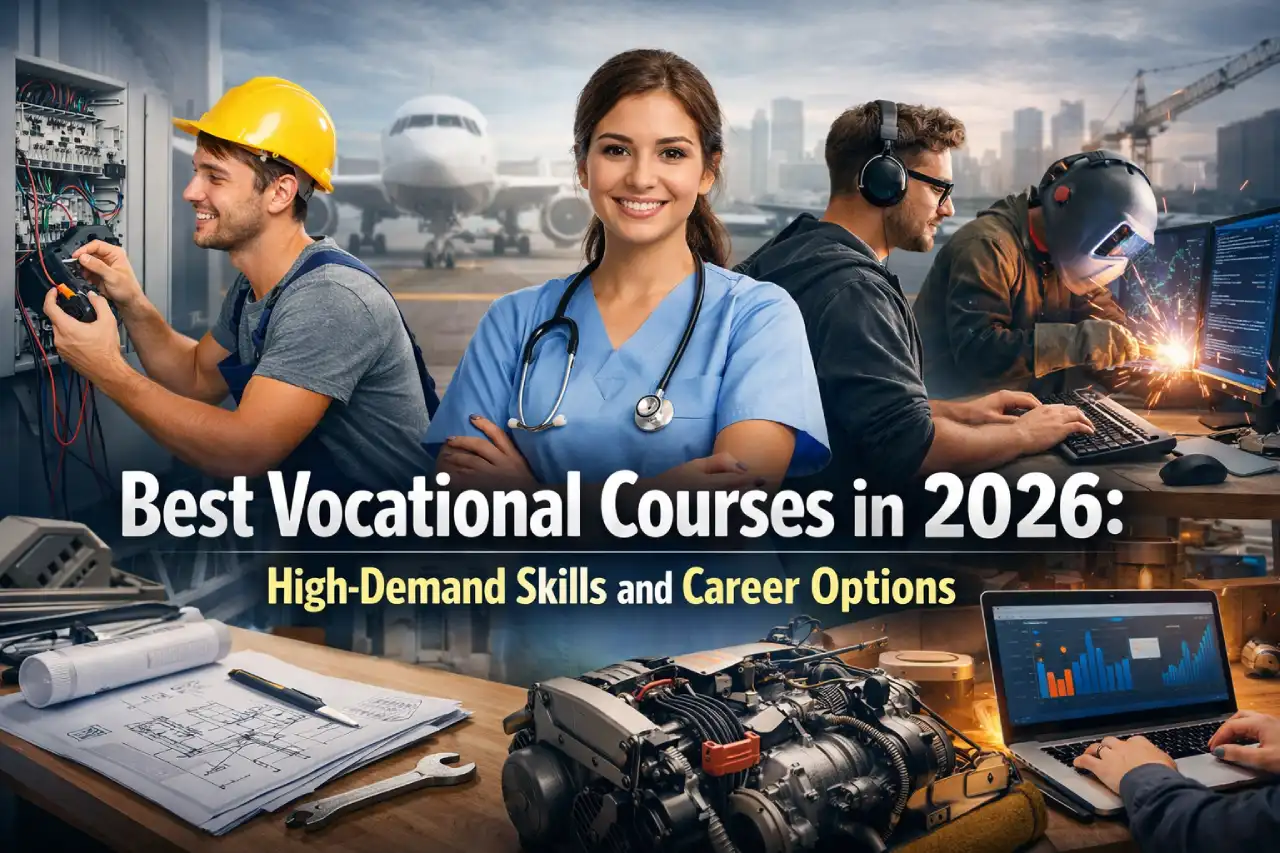
Best Vocational Courses in 2026: High-Demand Skills and Career Options

Best Vocational Courses in 2026: High-Demand Skills and Career Options

Vocational studies are gaining strong popularity among students who want job-ready skills and faster entry into the workforce. Unlike traditional academic courses, vocational programmes focus more on practical training and industry-oriented learning. In 2026, the demand for skilled professionals in healthcare, technology, design, hospitality, and skilled trades is expected to grow even further, making vocational education a smart choice for many learners.

I am writing about this topic because choosing the right course after school or graduation can shape your entire career path. Many students and parents still believe that only conventional degrees lead to success, but vocational courses offer equally strong, and sometimes better, career opportunities. Knowing the top vocational courses for 2026 can help you make an informed decision based on your interests, strengths, and job market trends.

Why Choose the Vocational Studies Stream

Vocational courses are designed to prepare students for specific occupations.

Key advantages include:

  • Practical and hands-on training
  • Shorter course duration
  • Industry-relevant curriculum
  • Better employability
  • Opportunities for self-employment

These features make vocational studies ideal for students who prefer skill-based learning.

Top Vocational Courses to Consider in 2026

Below are some of the most promising vocational courses that can lead to good career prospects.

Healthcare and Allied Health Courses

Healthcare remains one of the fastest-growing sectors.

Popular options include:

  • Medical Laboratory Technician
  • Radiology Technician
  • Operation Theatre Technician
  • Physiotherapy Assistant
  • Dialysis Technician

These courses offer opportunities in hospitals, clinics, and diagnostic centres.

Information Technology and Digital Skills

With digital transformation across industries, IT skills are in high demand.

Good vocational options:

  • Web Development
  • Mobile App Development
  • Cyber Security Technician
  • Data Entry and Office Automation
  • Computer Hardware and Networking

Students can work in IT companies or as freelancers.

Automobile and Mechanical Trades

The automobile sector continues to evolve with electric vehicles and advanced technologies.

Courses to look at:

  • Automobile Service Technician
  • Electric Vehicle Technician
  • CNC Machine Operator
  • Fitter and Turner
  • Mechatronics Technician

These courses suit students who enjoy working with machines.

Hospitality and Tourism Management

Hospitality offers diverse career options in India and abroad.

Popular vocational courses:

  • Hotel Management
  • Bakery and Confectionery
  • Food Production
  • Front Office Operations
  • Travel and Tourism Management

Graduates can work in hotels, resorts, airlines, and cruise lines.

Fashion Designing and Apparel Technology

For creative students, fashion and design courses are attractive.

Options include:

  • Fashion Designing
  • Apparel Production
  • Textile Designing
  • Pattern Making
  • Garment Technology

Career opportunities exist in boutiques, fashion houses, and manufacturing units.

Beauty, Wellness and Fitness Courses

The wellness industry is growing rapidly.

High-demand courses:

  • Beautician and Makeup Artist
  • Hair Styling
  • Spa Therapy
  • Yoga Instructor
  • Fitness Trainer

Many professionals also start their own salons or studios.

Agriculture and Food Processing

Agriculture-based vocational courses support rural and agri-business careers.

Courses include:

  • Organic Farming
  • Dairy Technology
  • Food Processing Technician
  • Horticulture
  • Floriculture

These fields offer self-employment and entrepreneurship options.

Media, Animation and Graphic Design

Creative digital content is in high demand.

Vocational courses to consider:

  • Graphic Designing
  • Animation and VFX
  • Video Editing
  • Photography
  • Digital Content Creation

Students can work with media houses, advertising agencies, or as freelancers.

How to Choose the Right Vocational Course

Before selecting a course, consider:

  • Your interests and strengths
  • Course duration and cost
  • Job prospects after completion
  • Availability of training institutes
  • Scope for higher studies or skill upgradation

Making a thoughtful choice improves long-term satisfaction.

Career Scope After Vocational Courses

After completing vocational training, students can:

  • Take up jobs in relevant industries
  • Start their own business
  • Work as freelancers
  • Pursue advanced skill courses

Vocational education supports multiple career paths.
Leave a Comment

End of Article

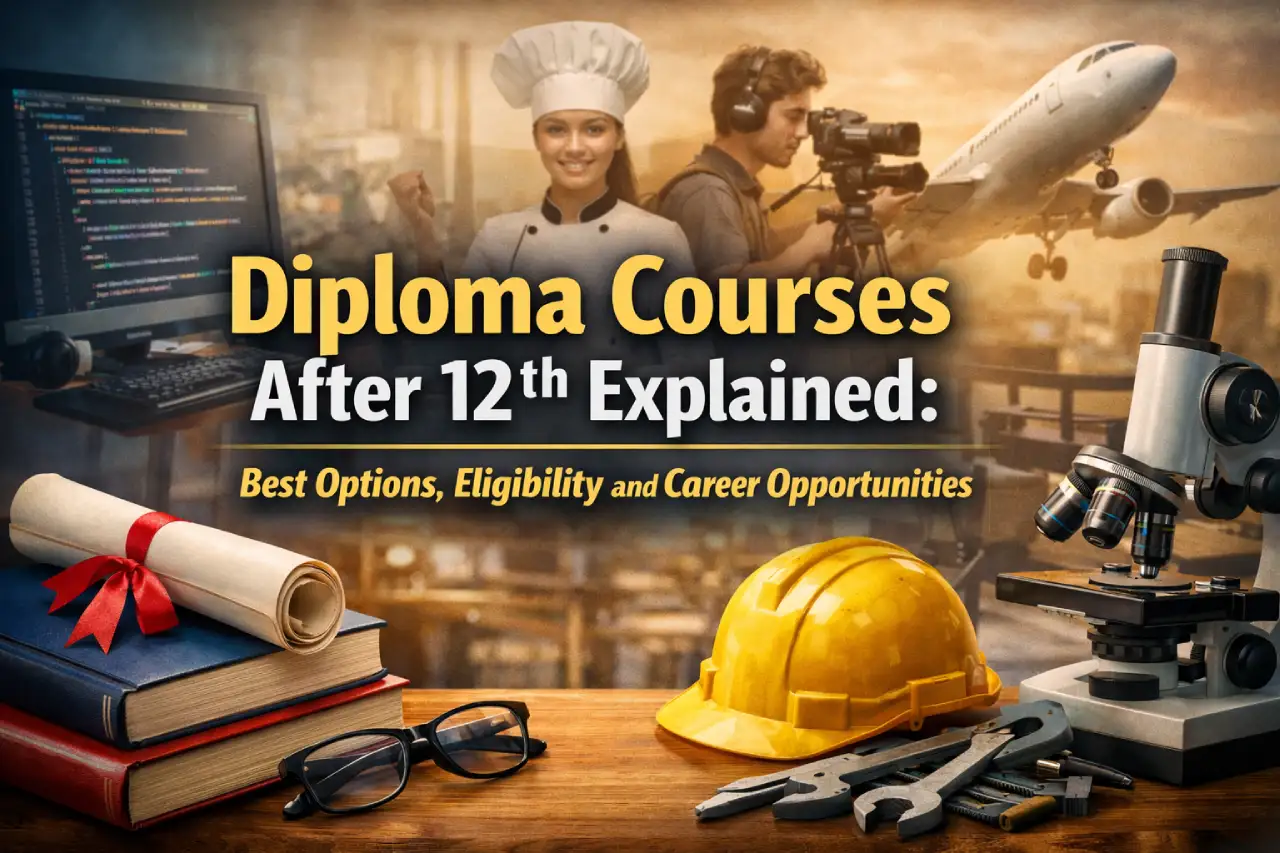
Diploma Courses After 12th Explained: Best Options, Eligibility and Career Opportunities

Diploma Courses After 12th Explained: Best Options, Eligibility and Career Opportunities

Choosing the right course after completing Class 12 can feel overwhelming for many students. While traditional degree programmes remain popular, diploma programmes have become an attractive option for students who want practical skills and quicker entry into the workforce. Diploma courses after 12th are designed to provide specialised training in fields like engineering, healthcare, management, design, and technology. These programmes usually focus more on hands-on learning and industry-oriented skills rather than long academic study.

I am writing about diploma programmes after 12th because many students and parents are still not fully aware of the wide range of career opportunities these courses offer. In today’s job market, skill-based education is becoming increasingly valuable. Diploma programmes allow students to build professional skills, explore career interests, and sometimes even start earning earlier than traditional degree pathways. Understanding these options can help students make smarter and more confident decisions about their future.

What Are Diploma Programs After 12th?

Diploma programmes are short-term professional courses that focus on practical knowledge and industry-specific skills. These courses are offered by polytechnic institutes, technical colleges, private institutions, and some universities.

Unlike full degree programmes, diploma courses usually take less time to complete and emphasise hands-on training. This makes them particularly useful for students who want to enter a specific profession quickly.

Most diploma programmes last between 1 and 3 years, depending on the course and the institution.

Key characteristics of diploma courses include:

  • Skill-oriented learning
  • Shorter duration compared to degree programmes
  • Industry-focused curriculum
  • Opportunities for early employment
  • Options to pursue higher education later

Types of Diploma Courses After 12th

Students from different streams—science, commerce, and arts—can choose diploma programmes based on their interests and career goals.

Here are some of the most popular categories.

Engineering and Technical Diplomas

Students who have studied science with mathematics often choose technical diploma programmes.

Some popular options include:

  • Diploma in Mechanical Engineering
  • Diploma in Civil Engineering
  • Diploma in Electrical Engineering
  • Diploma in Computer Engineering
  • Diploma in Automobile Engineering

These courses are widely offered by polytechnic institutes and prepare students for technical roles in industries.

Medical and Healthcare Diplomas

Students interested in healthcare can also explore several diploma programmes.

Examples include:

  • Diploma in Medical Laboratory Technology (DMLT)
  • Diploma in Radiology Technology
  • Diploma in Nursing Assistance
  • Diploma in Pharmacy
  • Diploma in Physiotherapy

These courses prepare students for supporting roles in hospitals, diagnostic centres, and healthcare facilities.

Management and Business Diplomas

Students from commerce or any stream can opt for management-related diploma programmes.

Some popular options are:

  • Diploma in Business Management
  • Diploma in Banking and Finance
  • Diploma in Marketing Management
  • Diploma in Retail Management
  • Diploma in Human Resource Management

These programmes help students understand the basics of business operations and corporate work environments.

Creative and Design Diplomas

Students with creative interests can pursue diploma courses in design and media.

Examples include:

  • Diploma in Graphic Design
  • Diploma in Fashion Design
  • Diploma in Interior Design
  • Diploma in Animation and Multimedia
  • Diploma in Photography

These courses focus heavily on practical projects and portfolio building.

Hospitality and Tourism Diplomas

The hospitality industry offers many career opportunities, and diploma courses are a common entry route.

Popular programmes include:

  • Diploma in Hotel Management
  • Diploma in Culinary Arts
  • Diploma in Travel and Tourism
  • Diploma in Event Management

These programmes train students for careers in hotels, airlines, travel agencies, and event companies.

Eligibility Criteria for Diploma Programs

Eligibility requirements vary depending on the course and institution, but most diploma programmes after 12th have simple admission criteria.

General eligibility usually includes:

  • Completion of Class 12 from a recognised board
  • Minimum marks as required by the institution
  • Specific subject requirements for certain courses (for example, science for technical diplomas)

Some institutions may conduct entrance tests or interviews, while many offer admission based on Class 12 marks.

Duration and Course Structure

The duration of diploma programmes generally depends on the field of study.

Course Type | Typical Duration
Technical Diplomas | 3 years
Healthcare Diplomas | 1–3 years
Management Diplomas | 1–2 years
Design Diplomas | 1–2 years

Most programmes combine:

  • Classroom learning
  • Practical laboratory training
  • Industry internships
  • Skill development projects

This practical approach helps students become job-ready faster.

Career Opportunities After Diploma

One of the biggest advantages of diploma programmes is that they can lead directly to employment.

Depending on the course chosen, students may find opportunities in various sectors such as:

  • Manufacturing and engineering industries
  • Hospitals and healthcare centres
  • IT and technology companies
  • Hospitality and tourism organisations
  • Media and creative industries

Common job roles include:

  • Technician
  • Lab assistant
  • Junior engineer
  • Graphic designer
  • Hospitality executive
  • Marketing assistant

Can Students Pursue Higher Education After a Diploma?

Yes, students who complete a diploma programme can continue their education if they want to.

Some common pathways include:

  • Lateral entry into degree programmes, especially in engineering
  • Bachelor’s degrees related to the diploma field
  • Advanced certification programmes
  • Professional training courses

This flexibility allows students to build their careers step by step.

How to Choose the Right Diploma Course

Selecting the right diploma course is an important decision. Students should consider several factors before enrolling.

Some helpful tips include:

  • Identify your interests and strengths
  • Research job opportunities in the chosen field
  • Check the reputation of the institution offering the course
  • Look for programmes that provide practical training and internships
  • Consider the long-term career growth in the field

Taking time to evaluate these aspects can help students make better choices.

Leave a Comment

End of Article

Loading more posts...