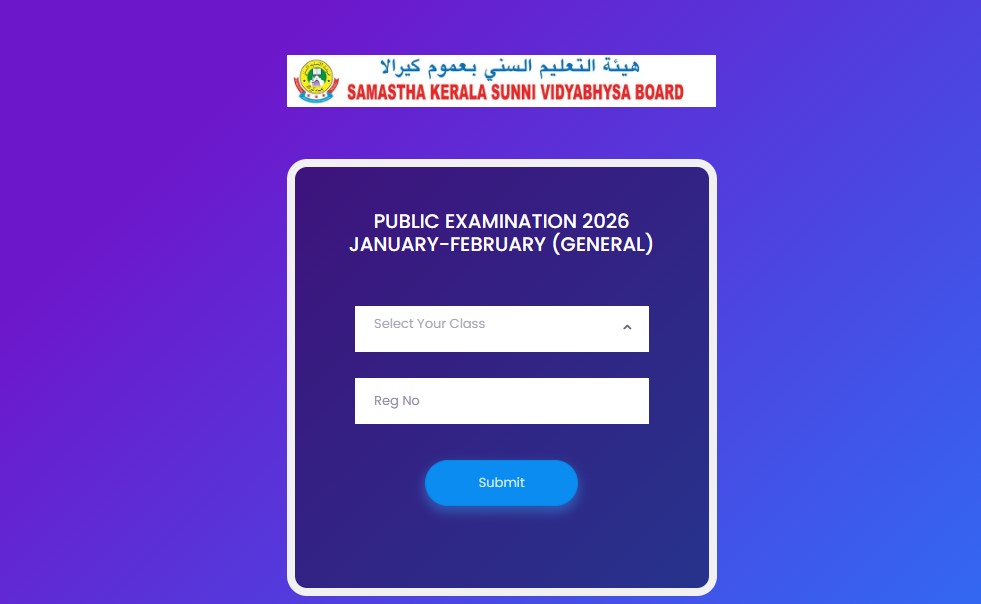
The Samastha Kerala Sunni Education Board (SKSVB) has officially announced the Samastha Kerala Madrasa Result 2026 for the Madrasa Public Examinations. Students who appeared for the examinations for Classes 5, 7, 10, and 12 can now check their results on the official website, samastha.in. The board reported strong academic performance this year, with thousands of students securing top grades and a very high pass percentage across all classes.
I decided to write about this result announcement because madrasa education plays an important role in the academic and religious learning system for many students in Kerala. Every year, thousands of students appear for these examinations, and the results are an important milestone in their educational journey. Sharing the key details of the results, pass percentages, and the process to check scores can help students and parents quickly access the information they need.
Samastha Kerala Madrasa Result 2026 Overview
The Samastha Kerala Sunni Education Board conducts Madrasa Public Examinations annually for students studying in different levels of madrasa education. These exams evaluate students’ progress in religious studies and other academic subjects.
The 2026 madrasa examinations were conducted on January 31 and February 1, 2026 at various examination centres across the state.
Here is a quick overview of the examination.
| Particulars | Details |
|---|---|
| Exam Name | Samastha Kerala Madrasa Public Examination |
| Conducting Body | Samastha Kerala Sunni Education Board (SKSVB) |
| Exam Dates | January 31 and February 1, 2026 |
| Classes Covered | Class 5, Class 7, Class 10, Class 12 |
| Official Website | samastha.in |
Students can check their results online through the official portal of the board.
Number of Students Who Appeared for the Exam
The Madrasa Public Examinations witnessed participation from a large number of students this year.
According to the board’s official data:
- 1,66,840 students appeared for the examinations
- Exams were conducted across 6,432 centres
- 8,560 supervisors were involved in conducting the exam
- 240 superintendents managed the examination process
This large-scale examination process reflects the extensive madrasa education network operating across Kerala.
Overall Pass Percentage
The results released by the board show an impressive overall performance by students.
Out of the 1,66,840 students who appeared for the examination:
- 1,60,945 students successfully passed and qualified for the next stage of their studies.
This means that the pass percentage for the examinations remained above 95 percent across all classes, indicating strong academic results.
Students Securing Topper Grade
One of the major highlights of the 2026 results is the number of students who achieved the highest grade.
According to the board:
- 8,708 students secured the topper grade in the examination.
These students demonstrated exceptional performance and achieved the highest level of academic distinction in their respective classes.
How to Check Samastha Kerala Madrasa Result 2026
Students who appeared for the examination can check their results online by following these simple steps.
Aspirants can easily check their results from the official website. Here’s how to do it:
- Visit the official website of the Samastha Kerala Sunni Education Board at samastha.in
- Click on the link for Madrasa Public Examination Result 2026
- Select the relevant class (5, 7, 10, or 12)
- Enter the required details such as registration number
- Click on the submit button
- Your result will appear on the screen
- Download or print the result for future reference
Check Result: Click Here
Students are advised to keep a copy of their result for academic records.
Importance of Madrasa Public Examinations
Madrasa Public Examinations conducted by the Samastha Kerala Sunni Education Board play an important role in evaluating the progress of students studying in Islamic educational institutions.
These examinations help in:
- Assessing students’ knowledge and academic progress
- Encouraging structured religious and academic learning
- Preparing students for higher levels of madrasa education
- Maintaining a standardised evaluation system across institutions
The strong results recorded this year also highlight the dedication of students, teachers, and administrators involved in the education system.