JOIN WHATSAPP
STORIES

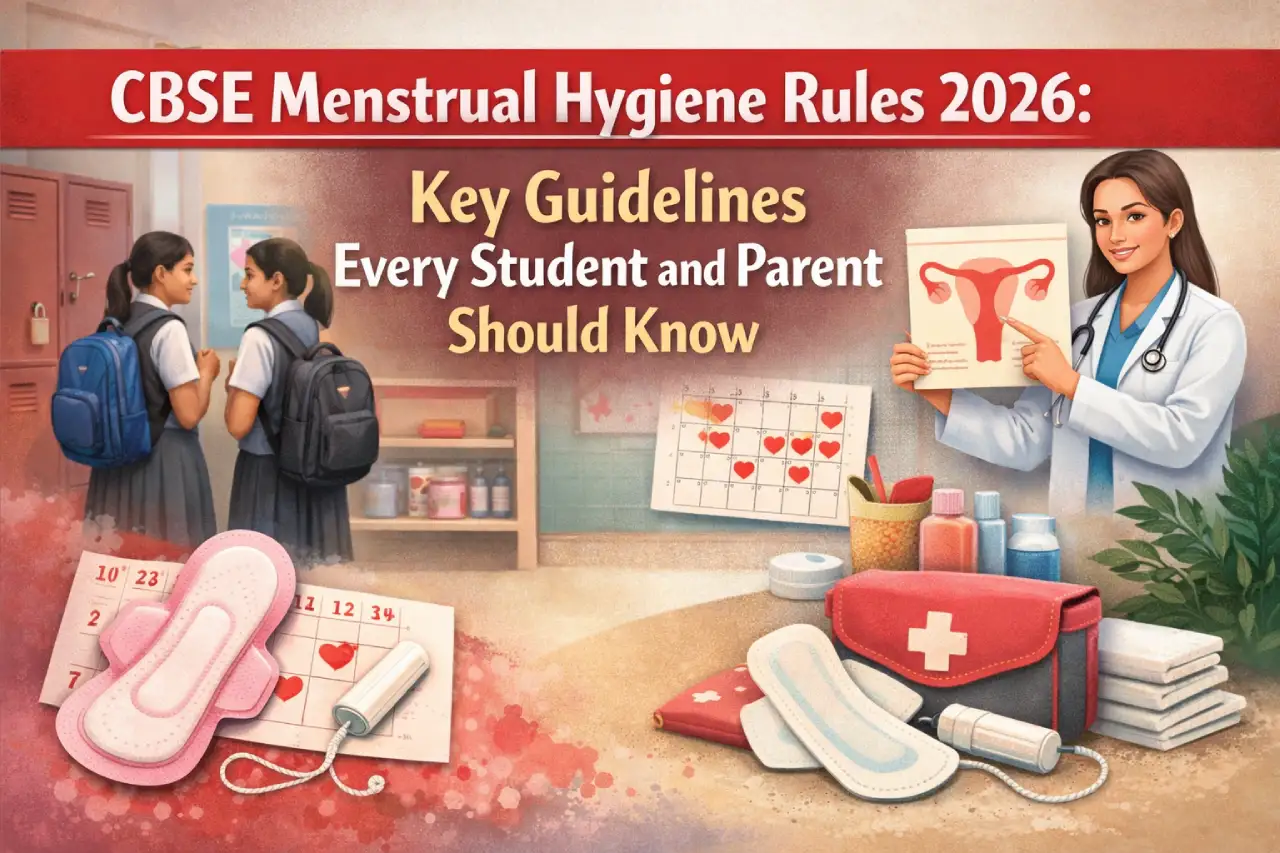
CBSE Menstrual Hygiene Rules 2026: Key Guidelines Every Student and Parent Should Know

CBSE Menstrual Hygiene Rules 2026: Key Guidelines Every Student and Parent Should Know

The Central Board of Secondary Education (CBSE) has introduced new menstrual hygiene management (MHM) guidelines for all affiliated schools, marking a major step towards improving student welfare. These rules focus on better sanitation facilities, access to hygiene products, and awareness programmes for students. The move comes after a recent Supreme Court judgment that recognised menstrual health as a fundamental part of a student’s dignity and right to education.

I’m writing about this because this is not just a policy update—it directly impacts lakhs of students across India. For years, menstrual health has been a sensitive topic, often ignored in schools. These new guidelines aim to change that by creating a safe and supportive environment. Parents, teachers, and students should understand these changes clearly, as they can help improve attendance, confidence, and overall well-being of girls in schools.

Why These New Rules Were Introduced

The changes are based on a Supreme Court ruling.

  • Menstrual health linked to Article 21 (Right to Life and Dignity)
  • Lack of facilities leads to absenteeism among girls
  • Social stigma affects education and confidence

The court emphasised that schools must provide a safe and supportive environment.

Key Guidelines Issued by CBSE

CBSE has made several measures mandatory for schools.

  • Clean and private toilets for girls
  • Proper washing facilities within school premises
  • Availability of sanitary napkins
  • Installation of safe disposal systems

These steps are aimed at ensuring basic hygiene and comfort.

Focus on Infrastructure Improvements

Schools are required to upgrade their facilities.

  • Separate and hygienic toilets for girls
  • Regular maintenance and cleanliness
  • Availability of water and washing areas
  • Dedicated spaces for menstrual hygiene needs

Infrastructure is the foundation of this entire initiative.

Introduction of MHM Corners

A new concept introduced is the MHM corner.

  • Special areas for menstrual hygiene support
  • Easy access to sanitary products
  • Information and awareness materials available

This helps students manage their needs without hesitation.

Awareness and Sensitisation Programmes

CBSE has also focused on education, not just facilities.

  • Sessions on menstruation and puberty
  • Open discussions to remove stigma
  • Guidelines aligned with NCERT and SCERT

The aim is to normalise conversations around menstrual health.

Monitoring and Reporting System

To ensure proper implementation, CBSE has introduced strict monitoring.

  • Schools must submit monthly reports
  • District Education Officers will conduct inspections
  • Deadlines set for March 31 and April 30, 2026

This ensures accountability at every level.

Environmental Focus in the Guidelines

The rules also consider sustainability.

  • Use of biodegradable sanitary napkins encouraged
  • Proper disposal systems made compulsory
  • Focus on hygiene and environmental safety

This balances health and environmental concerns.

Key Highlights at a Glance

AspectDetails
PolicyCBSE Menstrual Hygiene Guidelines
BasisSupreme Court ruling (Article 21)
FocusHygiene, awareness, infrastructure
FacilitiesToilets, napkins, disposal systems
MonitoringMonthly reports and inspections
GoalInclusive and supportive school environment

Leave a Comment

End of Article

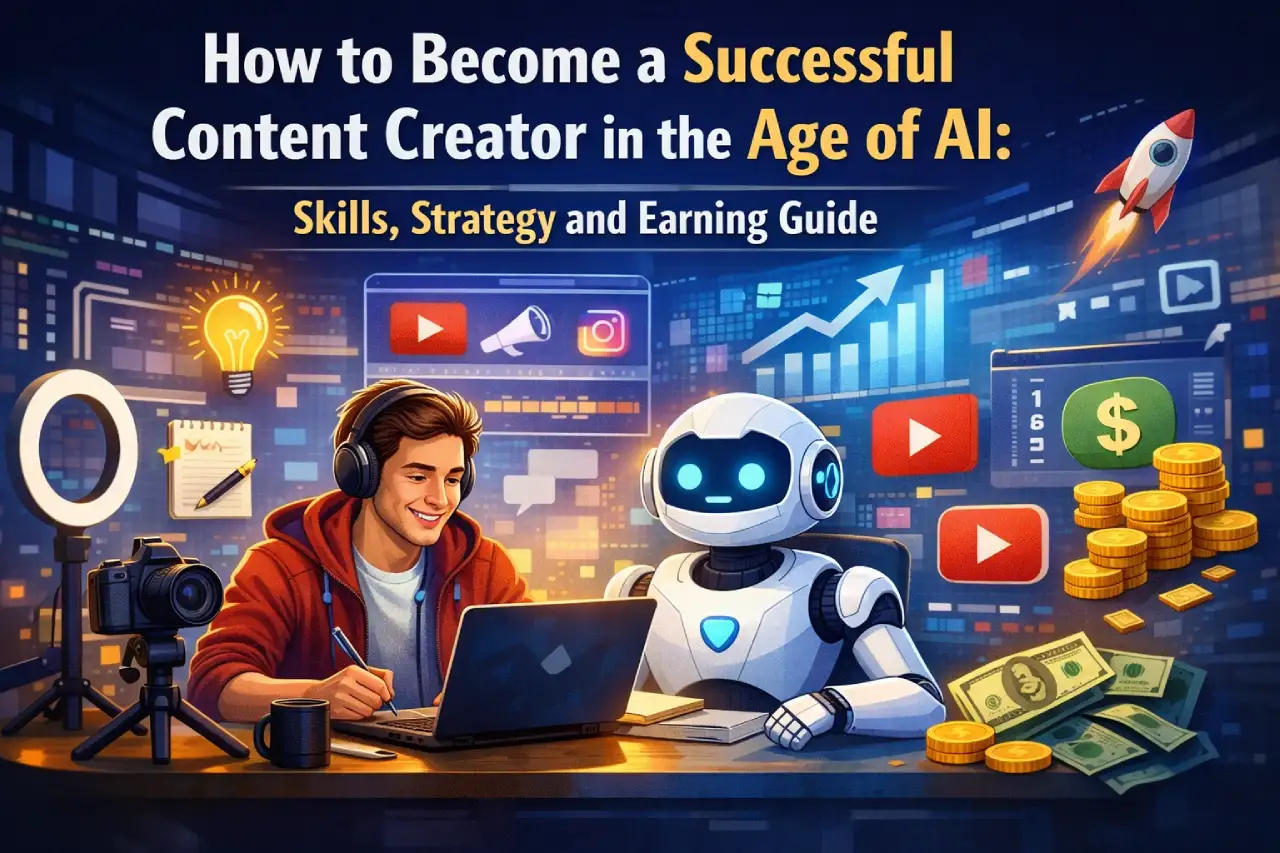
How to Become a Successful Content Creator in the Age of AI: Skills, Strategy and Earning Guide

How to Become a Successful Content Creator in the Age of AI: Skills, Strategy and Earning Guide

The rise of the internet and social media has completely changed how people work and earn. Content creation is now one of the fastest-growing career options, where individuals create videos, blogs, podcasts, reels, or social media posts to connect with audiences. Today, platforms like YouTube, Instagram, and websites have made it possible for anyone to turn creativity into a full-time profession. With the added influence of artificial intelligence, the content industry is evolving even faster.

I am writing about this because many students and young professionals are now considering content creation as a serious career option. However, while it looks easy from the outside, building a successful career in this field requires planning, consistency, and the right skills. Understanding how this space works can help you avoid common mistakes and build something meaningful and profitable over time.

What is Content Creation?

Content creation is the process of producing and sharing information or entertainment for an audience.

It includes:

  • Videos (YouTube, reels, shorts)
  • Blog posts and articles
  • Podcasts
  • Social media posts and graphics

At present, video content is the most popular, but other formats are also growing steadily.

Why Content Creation is Growing Fast

The demand for content is increasing every day.

Reasons behind this growth:

  • Increasing internet usage
  • Rise of social media platforms
  • People consuming more digital content
  • Brands investing heavily in digital marketing

From my perspective, this field is only going to grow further in the coming years.

Role of AI in Content Creation

Artificial intelligence is now playing a major role in content creation.

It helps creators in:

  • Generating ideas and scripts
  • Editing videos and images
  • Improving SEO and content reach
  • Analysing audience behaviour

However, AI is a tool, not a replacement for creativity.

Skills Required to Become a Successful Content Creator

To succeed in this field, you need a mix of creative and technical skills.

Important skills include:

  • Creativity and storytelling
  • Communication skills
  • Basic video and photo editing
  • Understanding of social media algorithms
  • Consistency and discipline

These skills help in building a strong and loyal audience.

Choosing the Right Platform

Different platforms offer different opportunities.

Some popular platforms include:

  • YouTube for long-form video content
  • Instagram for reels and short videos
  • Facebook for community building
  • Blogs and websites for written content
  • Podcasts for audio content

Choose a platform based on your interest and target audience.

How to Start Your Content Creation Journey

If you are a beginner, you can start with simple steps:

  • Choose a niche (education, lifestyle, tech, etc.)
  • Start creating content regularly
  • Use basic tools and improve gradually
  • Focus on quality over perfection
  • Learn from feedback and analytics

Consistency is more important than starting with expensive equipment.

Ways to Earn from Content Creation

Once you build an audience, there are multiple ways to earn.

  • Ad revenue from platforms
  • Brand collaborations
  • Affiliate marketing
  • Selling your own products or courses
  • Sponsored content

Many creators start as a hobby and later turn it into a full-time income source.

Challenges in Content Creation

While the opportunities are huge, there are also challenges.

  • High competition
  • Slow initial growth
  • Need for consistency
  • Algorithm changes
  • Pressure to stay relevant

From my experience, patience and persistence are key to overcoming these challenges.

Tips to Succeed in the Age of AI

To stay ahead, you need to adapt to changing trends.

  • Use AI tools wisely but stay original
  • Focus on building a personal brand
  • Engage with your audience
  • Keep learning and improving
  • Stay updated with trends

Authenticity is what truly sets creators apart.

Leave a Comment

End of Article

Loading more posts...