JOIN WHATSAPP
STORIES

Rajasthan Multilingual Education Initiative: How Local Languages Are Transforming Classroom Learning

Rajasthan Multilingual Education Initiative: How Local Languages Are Transforming Classroom Learning

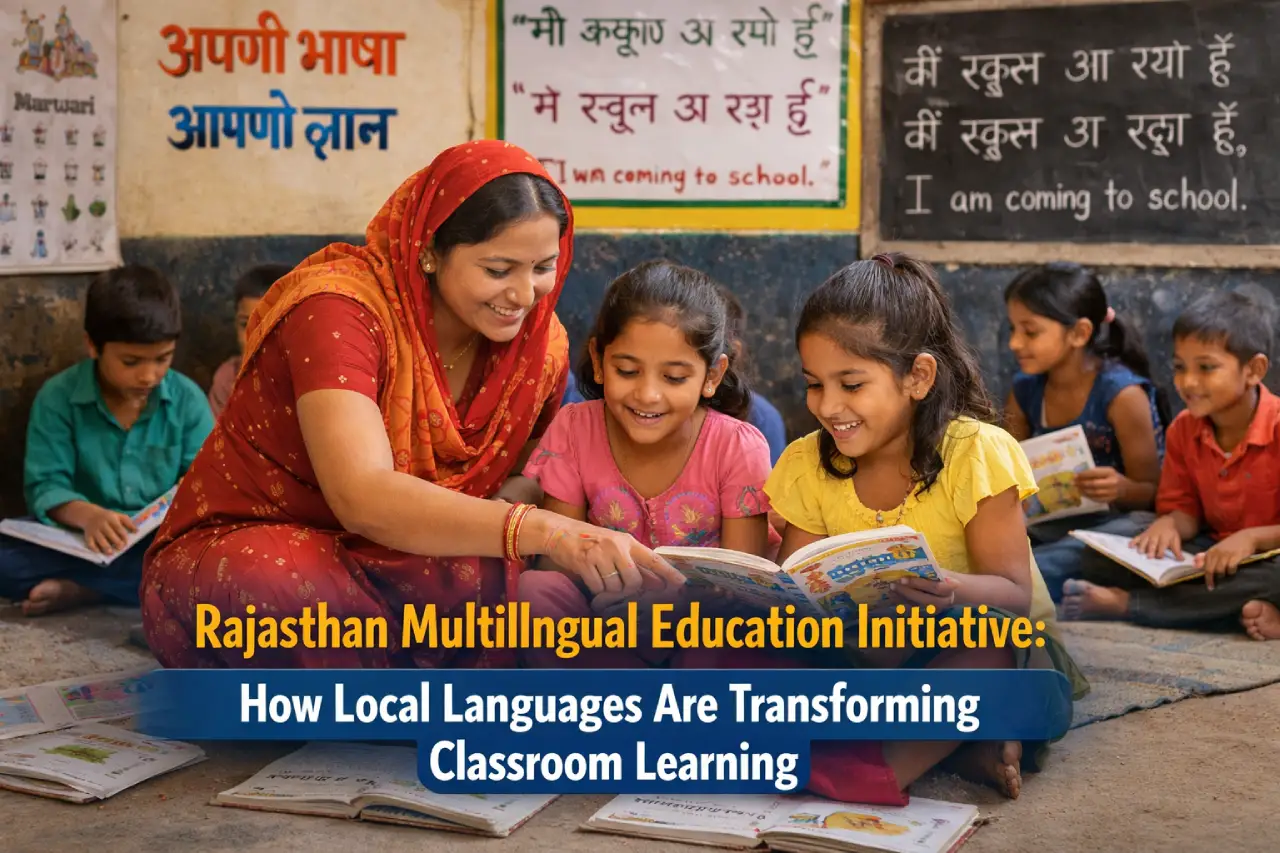
Rajasthan has taken an important step in improving classroom learning by launching a multilingual education initiative in government schools. The programme focuses on using local dialects alongside standard Hindi to make lessons more relatable and easier for students to understand. By introducing commonly used local words such as ‘ladu’, ‘rotlo’, and ‘moto bapo’ in teaching, the state aims to bridge the gap between a child’s home language and school language, making education more inclusive and engaging from an early stage.

I am writing about this because language plays a huge role in how children learn and connect with their studies. Many students, especially in rural areas, struggle to adapt to formal classroom language that feels unfamiliar. When teaching starts in a language they already speak at home, learning becomes natural and less stressful. This initiative is important not just for Rajasthan but also as a model that other states can follow to improve foundational education.

What is the Multilingual Education Initiative?

The multilingual education initiative is designed to integrate local dialects into everyday classroom teaching in government schools. Instead of relying only on standard Hindi, teachers will also use regional words that children are already familiar with.

This approach helps students understand concepts faster and participate more actively in class. It also respects and preserves local languages, which are often overlooked in formal education systems.

Key Features of the Programme

Here are the main highlights of this initiative:

  • Focus on using local dialects in classroom teaching
  • Helps students connect home language with school language
  • Encourages better understanding and participation
  • Makes learning more interactive and less intimidating
  • Promotes cultural and linguistic diversity

The programme has been developed under the guidance of the Rajasthan State Council of Educational Research and Training (RSCERT).

District-Wise Implementation Plan

The initiative will not be rolled out across the state all at once. Instead, it will follow a phased approach.

  • Initially launched in 11 districts
  • Gradual expansion planned across Rajasthan
  • Feedback from early implementation will guide future rollout

This step-by-step approach will help authorities understand what works best and make improvements before scaling up.

Role of Teachers and Classroom Approach

Teachers will play a crucial role in making this initiative successful. They will be encouraged to use familiar local words while explaining concepts, especially in the early grades.

For example, instead of only using standard Hindi terms, teachers may include local expressions that children hear at home. This creates a comfortable learning environment where students feel more confident to speak and ask questions.

From my point of view, this approach can reduce hesitation among students and improve overall classroom interaction.

Why This Initiative Matters

This move is significant for several reasons:

  • It improves foundational learning by making concepts easier to understand
  • It reduces language barriers in early education
  • It supports children from rural and diverse linguistic backgrounds
  • It helps preserve regional dialects and cultural identity

Most importantly, it ensures that children do not feel disconnected from their education due to language differences.

Impact on Students and Learning Outcomes

When children learn in a familiar language, they tend to grasp concepts more quickly and retain information better. This initiative is expected to:

  • Increase student engagement in classrooms
  • Improve reading and comprehension skills
  • Build confidence among young learners
  • Reduce dropout rates in early schooling years

I believe this kind of change can make a real difference, especially for first-generation learners who often face challenges in adapting to formal education systems.
Leave a Comment

End of Article

UPTET 2026 Application Dates Out: Full Schedule, Registration Process and Key Updates

UPTET 2026 Application Dates Out: Full Schedule, Registration Process and Key Updates

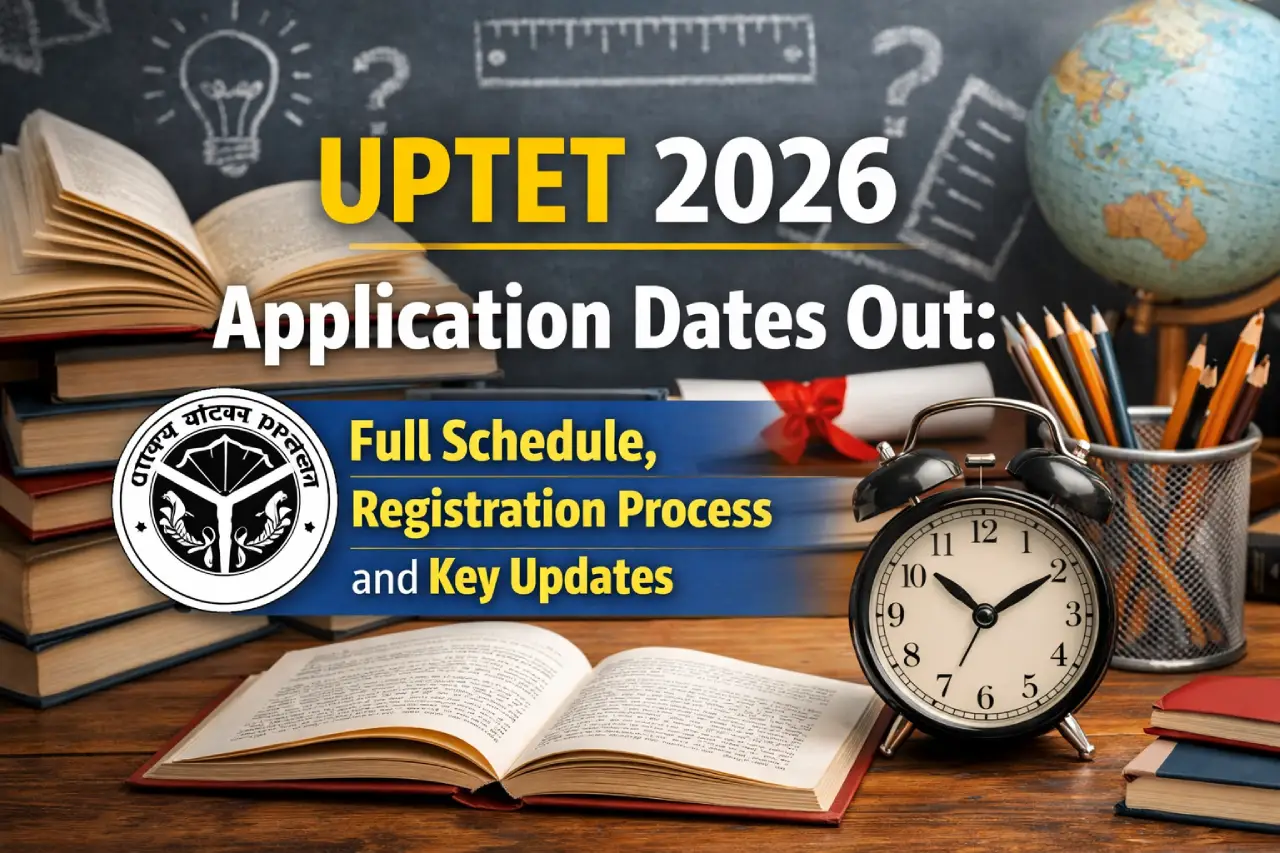
The Uttar Pradesh Teacher Eligibility Test (UPTET) 2026 dates have officially been announced, bringing clarity for lakhs of teaching aspirants across the state. As per the notification released by the Uttar Pradesh Education Service Selection Commission, the exam will be conducted over three days from July 2 to July 4, 2026. The application process for both primary and upper primary levels will begin on March 27 and continue till April 26, giving candidates a clear timeline to prepare and apply.

I am writing about this because UPTET is one of the most important exams for those aiming to become teachers in Uttar Pradesh. Many candidates wait for months for this notification, and missing key dates can cost them an entire year. By understanding the schedule, application process, and new updates like the One-Time Registration system, candidates can plan better and avoid last-minute confusion.

UPTET 2026 Important Dates

Here is a quick overview of the key dates you should not miss:

EventDate
Notification ReleaseMarch 20, 2026
Application Start DateMarch 27, 2026
Last Date to ApplyApril 26, 2026
Correction Window ClosesMay 1, 2026
Exam DatesJuly 2 to July 4, 2026

Candidates are advised to complete their application well before the deadline to avoid technical issues.

Application Process and Levels

The application process will be conducted online through the official website of the commission.

The exam will be held for two levels:

  • Primary Level: For teaching Classes 1 to 5
  • Upper Primary Level: For teaching Classes 6 to 8

Candidates can apply for one or both levels depending on their eligibility.

Introduction of One-Time Registration (OTR)

One of the biggest updates this year is the introduction of the One-Time Registration (OTR) system.

According to the commission’s chairman, Prashant Kumar, this system is designed to make the recruitment process more transparent and efficient.

Key benefits of OTR include:

  • Candidates need to register only once for future exams
  • Reduces repeated data entry
  • Minimises chances of errors and malpractices
  • Speeds up the overall recruitment process

From my point of view, this is a much-needed step that will make things smoother for candidates in the long run.

Correction Window and Fee Issues

The commission has also provided a correction window to help candidates fix any mistakes in their application forms.

  • Candidates can make corrections until May 1, 2026
  • Fee-related issues can also be resolved within this period

This gives applicants enough time to review their forms and ensure all details are accurate.

Why UPTET is Important

UPTET is a mandatory eligibility test for candidates who want to become teachers in government schools in Uttar Pradesh.

Here’s why it matters:

  • It certifies candidates for teaching positions
  • It is required for recruitment in primary and upper primary schools
  • It enhances job opportunities in the education sector
  • It ensures quality standards in teaching

Clearing UPTET is the first step towards building a stable career in teaching.

Preparation Tips for Candidates

If you are planning to appear for UPTET 2026, here are a few practical tips:

  • Start your preparation early and follow a clear study plan
  • Focus on the syllabus and previous year question papers
  • Practice mock tests regularly
  • Keep track of official updates and notifications
  • Double-check your application details before submission

Leave a Comment

End of Article

Loading more posts...