JOIN WHATSAPP
STORIES

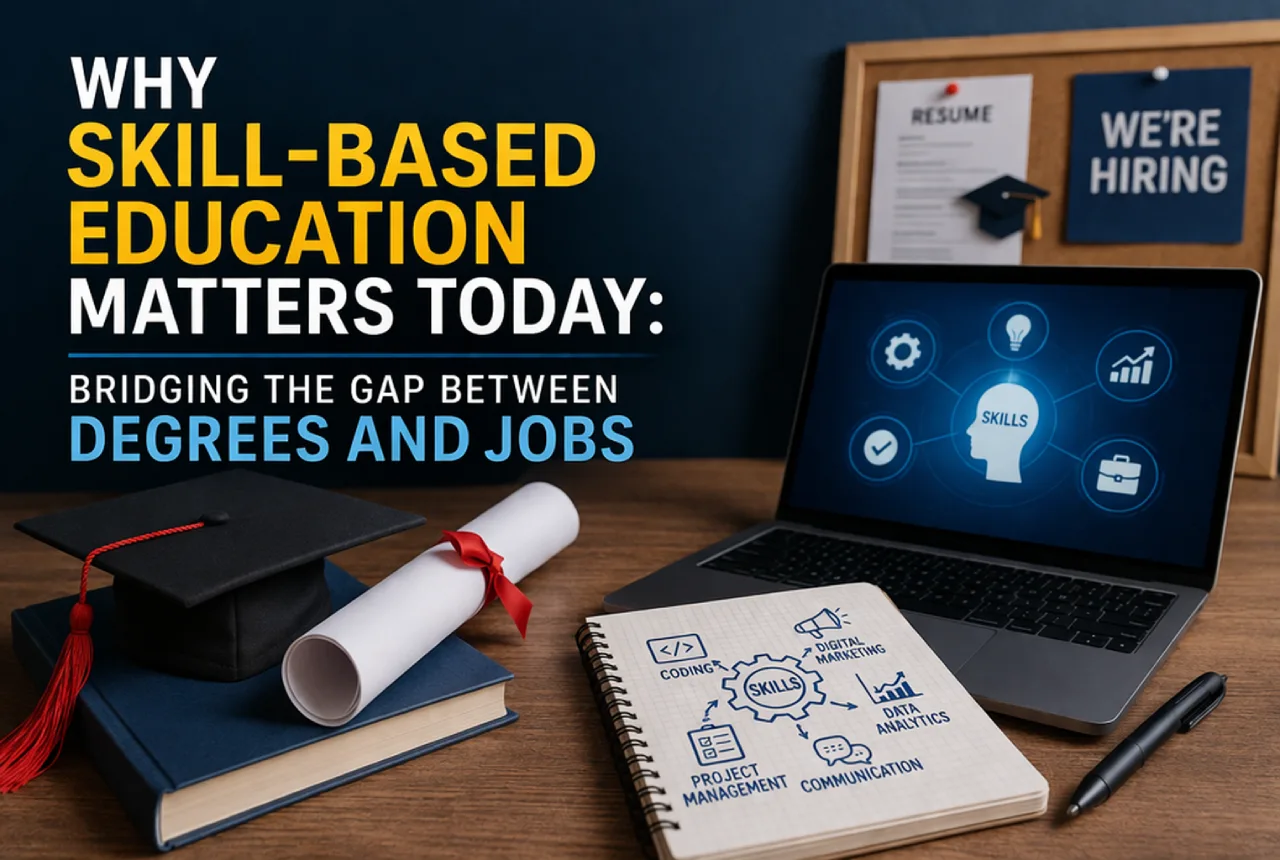
Why Skill-Based Education Matters Today: Bridging the Gap Between Degrees and Jobs

Why Skill-Based Education Matters Today: Bridging the Gap Between Degrees and Jobs

Skill-based education is becoming more important than ever, especially in a country like India where many students complete their degrees but still struggle to find jobs. The main reason is simple—there is often a gap between what students learn in classrooms and what the real world actually demands. Skill-based education focuses on practical knowledge, helping students apply what they learn and making them better prepared for real-life challenges and workplace requirements.

I am writing about this because this issue affects a large number of students today. Many of us spend years studying, yet feel unprepared when it comes to handling real tasks or job responsibilities. Understanding the importance of skill-based learning can help students make better choices and focus on developing abilities that truly matter. It is not just about getting a degree anymore, but about becoming capable and confident in real situations.

What is Skill-Based Education?

Skill-based education focuses on learning practical skills along with theoretical knowledge.

Instead of only memorising concepts, students are encouraged to:

  • Apply knowledge in real-life situations
  • Develop problem-solving abilities
  • Learn through hands-on experience
  • Build communication and teamwork skills

This approach prepares students for both jobs and everyday challenges.

Problems with the Traditional Education System

The current education system in India still relies heavily on rote learning.

Some common issues include:

  • Focus on exams rather than understanding
  • Limited practical exposure
  • Lack of real-world application
  • Students memorising instead of learning

As a result, many students score well academically but struggle in professional environments.

Why Skill-Based Education is Important

Skill-based learning plays a key role in bridging the gap between education and employment.

Here’s why it matters:

  • Improves employability
  • Builds confidence in handling real tasks
  • Helps students adapt to workplace demands
  • Encourages creativity and innovation

From my perspective, it makes education more meaningful and useful.

Key Skills Students Should Develop

To succeed in today’s world, students need more than just subject knowledge.

Important skills include:

  • Communication skills
  • Critical thinking
  • Problem-solving ability
  • Digital and technical skills
  • Teamwork and leadership

These skills are highly valued in every field.

Role of Schools and Colleges

Educational institutions play a major role in promoting skill-based learning.

They can:

  • Introduce practical projects and activities
  • Provide internships and industry exposure
  • Use modern teaching methods
  • Focus on skill development alongside academics

This will help students become more prepared for the future.

How Students Can Focus on Skill Development

Students can also take steps on their own to build skills.

  • Participate in workshops and training programmes
  • Learn new skills online
  • Take part in group activities and projects
  • Practise real-life problem-solving

Small efforts can make a big difference over time.

Benefits of Skill-Based Education

Skill-based education offers several long-term benefits.

  • Better job opportunities
  • Higher confidence levels
  • Ability to adapt to changing industries
  • Strong foundation for career growth

It helps students become independent and capable individuals.
Leave a Comment

End of Article

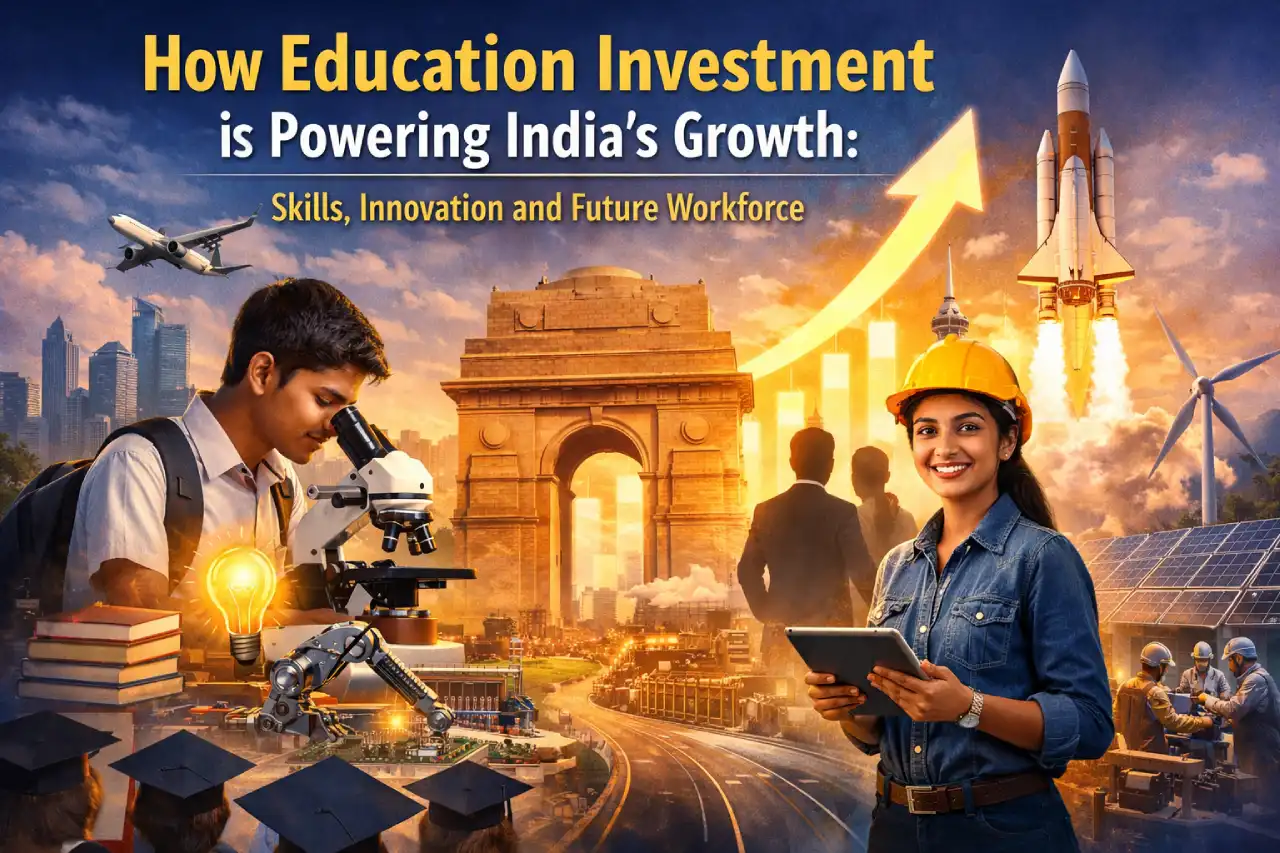
How Education Investment is Powering India’s Growth: Skills, Innovation and Future Workforce

How Education Investment is Powering India’s Growth: Skills, Innovation and Future Workforce

India is entering a crucial phase of economic development, and one factor is becoming increasingly clear—investment in education is at the centre of this growth story. With a strong focus on human capital, skill development, and innovation-driven learning, the country is preparing its workforce for future challenges. Experts believe that sustained spending on education will not only improve employability but also strengthen India’s position as a knowledge-driven economy.

I am writing about this because this topic directly connects to students, job seekers, and the future workforce of India. Many of us focus only on degrees, but the bigger picture is how education shapes the country’s economic progress. Understanding this shift helps students realise why skills, innovation, and practical learning are becoming more important than ever.

Why Education Investment Matters

Education is no longer just about learning subjects—it is about building a capable workforce.

Key reasons why investment in education is important:

  • Improves productivity across industries
  • Encourages innovation and research
  • Builds a skilled and adaptable workforce
  • Supports long-term economic growth

From my perspective, this is what connects education directly with national development.

India’s Demographic Advantage

India has one of the largest young populations in the world.

This can be a major strength if used properly.

  • Large working-age population
  • High potential for economic growth
  • Opportunity to become a global talent hub

However, this advantage can only be realised if young people are properly educated and skilled.

Shift Towards Skill-Based and Practical Learning

There is a clear shift happening in the education system.

The focus is moving from traditional learning to:

  • Skill-based education
  • Experiential and hands-on learning
  • Industry-relevant training
  • Real-world problem-solving

This approach helps students become job-ready rather than just exam-ready.

Role of Technology in Education

Technology is playing a major role in transforming education.

Some key developments include:

  • Use of digital platforms for learning
  • Integration of artificial intelligence
  • Online and hybrid learning models
  • Smart classrooms and digital tools

These changes are making education more accessible and flexible.

Industry–Academia Collaboration

One of the biggest improvements in recent years is the growing collaboration between industries and educational institutions.

This helps in:

  • Aligning courses with job market needs
  • Providing internships and practical exposure
  • Enhancing employability of students

Such partnerships ensure that students are better prepared for real-world jobs.

Focus on Innovation and Research

Investment in education is also boosting innovation.

  • Encouraging startups and entrepreneurship
  • Supporting research and development
  • Promoting creative thinking

This is essential for India to move up the global value chain.

Challenges That Still Exist

While progress is being made, some challenges remain.

  • Unequal access to quality education
  • Gap between rural and urban learning opportunities
  • Need for better infrastructure in some areas
  • Lack of awareness about skill-based learning

Addressing these issues is important for inclusive growth.

Leave a Comment

End of Article

Loading more posts...

Important Video