JOIN WHATSAPP
STORIES

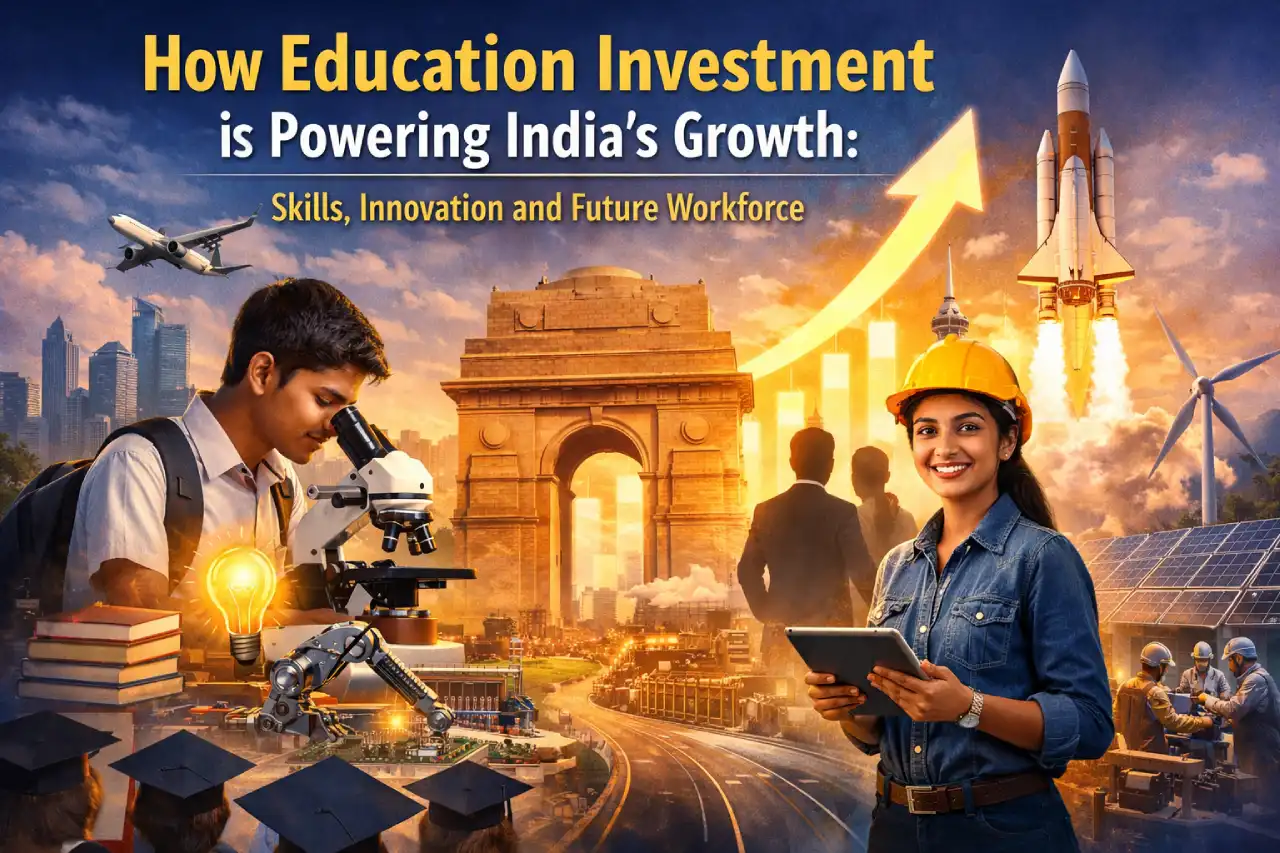
How Education Investment is Powering India’s Growth: Skills, Innovation and Future Workforce

How Education Investment is Powering India’s Growth: Skills, Innovation and Future Workforce

India is entering a crucial phase of economic development, and one factor is becoming increasingly clear—investment in education is at the centre of this growth story. With a strong focus on human capital, skill development, and innovation-driven learning, the country is preparing its workforce for future challenges. Experts believe that sustained spending on education will not only improve employability but also strengthen India’s position as a knowledge-driven economy.

I am writing about this because this topic directly connects to students, job seekers, and the future workforce of India. Many of us focus only on degrees, but the bigger picture is how education shapes the country’s economic progress. Understanding this shift helps students realise why skills, innovation, and practical learning are becoming more important than ever.

Why Education Investment Matters

Education is no longer just about learning subjects—it is about building a capable workforce.

Key reasons why investment in education is important:

  • Improves productivity across industries
  • Encourages innovation and research
  • Builds a skilled and adaptable workforce
  • Supports long-term economic growth

From my perspective, this is what connects education directly with national development.

India’s Demographic Advantage

India has one of the largest young populations in the world.

This can be a major strength if used properly.

  • Large working-age population
  • High potential for economic growth
  • Opportunity to become a global talent hub

However, this advantage can only be realised if young people are properly educated and skilled.

Shift Towards Skill-Based and Practical Learning

There is a clear shift happening in the education system.

The focus is moving from traditional learning to:

  • Skill-based education
  • Experiential and hands-on learning
  • Industry-relevant training
  • Real-world problem-solving

This approach helps students become job-ready rather than just exam-ready.

Role of Technology in Education

Technology is playing a major role in transforming education.

Some key developments include:

  • Use of digital platforms for learning
  • Integration of artificial intelligence
  • Online and hybrid learning models
  • Smart classrooms and digital tools

These changes are making education more accessible and flexible.

Industry–Academia Collaboration

One of the biggest improvements in recent years is the growing collaboration between industries and educational institutions.

This helps in:

  • Aligning courses with job market needs
  • Providing internships and practical exposure
  • Enhancing employability of students

Such partnerships ensure that students are better prepared for real-world jobs.

Focus on Innovation and Research

Investment in education is also boosting innovation.

  • Encouraging startups and entrepreneurship
  • Supporting research and development
  • Promoting creative thinking

This is essential for India to move up the global value chain.

Challenges That Still Exist

While progress is being made, some challenges remain.

  • Unequal access to quality education
  • Gap between rural and urban learning opportunities
  • Need for better infrastructure in some areas
  • Lack of awareness about skill-based learning

Addressing these issues is important for inclusive growth.
Leave a Comment

End of Article

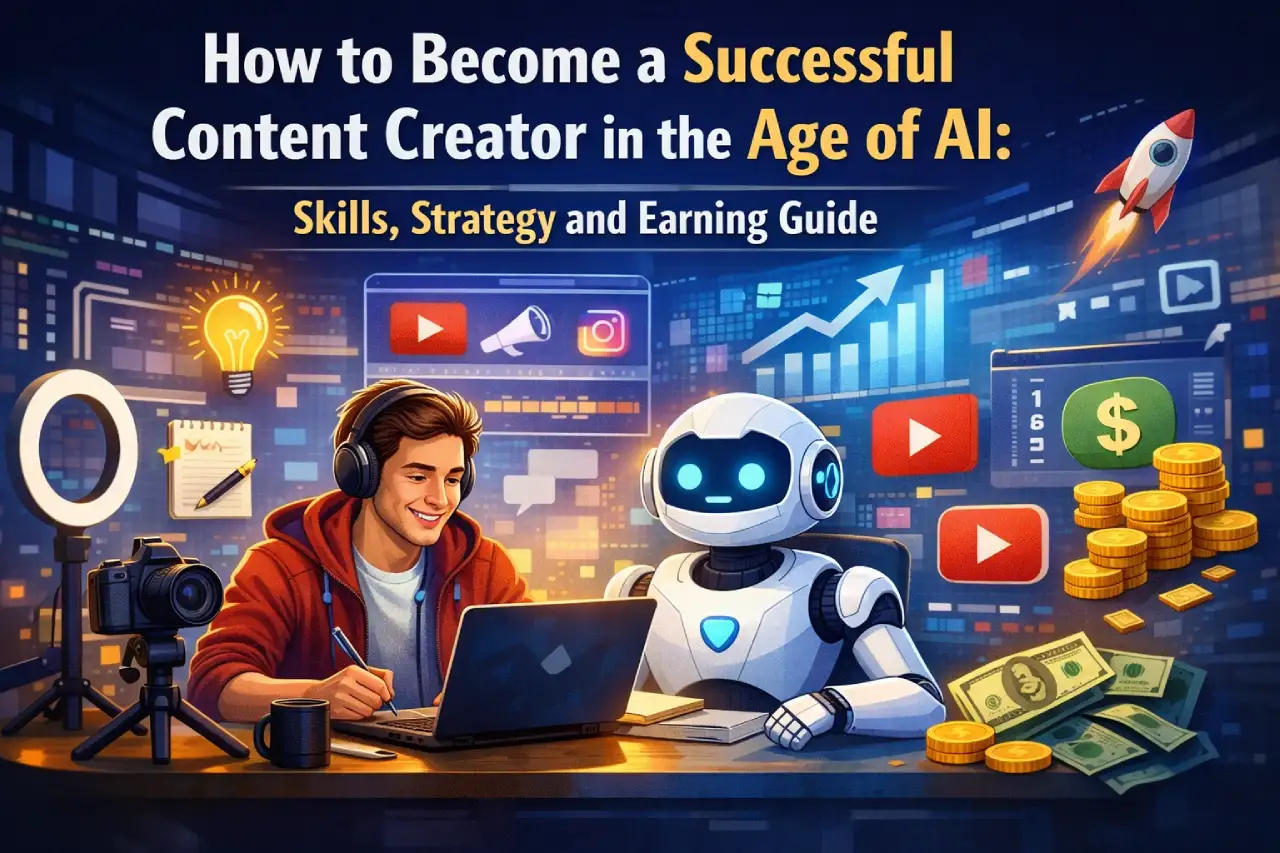
How to Become a Successful Content Creator in the Age of AI: Skills, Strategy and Earning Guide

How to Become a Successful Content Creator in the Age of AI: Skills, Strategy and Earning Guide

The rise of the internet and social media has completely changed how people work and earn. Content creation is now one of the fastest-growing career options, where individuals create videos, blogs, podcasts, reels, or social media posts to connect with audiences. Today, platforms like YouTube, Instagram, and websites have made it possible for anyone to turn creativity into a full-time profession. With the added influence of artificial intelligence, the content industry is evolving even faster.

I am writing about this because many students and young professionals are now considering content creation as a serious career option. However, while it looks easy from the outside, building a successful career in this field requires planning, consistency, and the right skills. Understanding how this space works can help you avoid common mistakes and build something meaningful and profitable over time.

What is Content Creation?

Content creation is the process of producing and sharing information or entertainment for an audience.

It includes:

  • Videos (YouTube, reels, shorts)
  • Blog posts and articles
  • Podcasts
  • Social media posts and graphics

At present, video content is the most popular, but other formats are also growing steadily.

Why Content Creation is Growing Fast

The demand for content is increasing every day.

Reasons behind this growth:

  • Increasing internet usage
  • Rise of social media platforms
  • People consuming more digital content
  • Brands investing heavily in digital marketing

From my perspective, this field is only going to grow further in the coming years.

Role of AI in Content Creation

Artificial intelligence is now playing a major role in content creation.

It helps creators in:

  • Generating ideas and scripts
  • Editing videos and images
  • Improving SEO and content reach
  • Analysing audience behaviour

However, AI is a tool, not a replacement for creativity.

Skills Required to Become a Successful Content Creator

To succeed in this field, you need a mix of creative and technical skills.

Important skills include:

  • Creativity and storytelling
  • Communication skills
  • Basic video and photo editing
  • Understanding of social media algorithms
  • Consistency and discipline

These skills help in building a strong and loyal audience.

Choosing the Right Platform

Different platforms offer different opportunities.

Some popular platforms include:

  • YouTube for long-form video content
  • Instagram for reels and short videos
  • Facebook for community building
  • Blogs and websites for written content
  • Podcasts for audio content

Choose a platform based on your interest and target audience.

How to Start Your Content Creation Journey

If you are a beginner, you can start with simple steps:

  • Choose a niche (education, lifestyle, tech, etc.)
  • Start creating content regularly
  • Use basic tools and improve gradually
  • Focus on quality over perfection
  • Learn from feedback and analytics

Consistency is more important than starting with expensive equipment.

Ways to Earn from Content Creation

Once you build an audience, there are multiple ways to earn.

  • Ad revenue from platforms
  • Brand collaborations
  • Affiliate marketing
  • Selling your own products or courses
  • Sponsored content

Many creators start as a hobby and later turn it into a full-time income source.

Challenges in Content Creation

While the opportunities are huge, there are also challenges.

  • High competition
  • Slow initial growth
  • Need for consistency
  • Algorithm changes
  • Pressure to stay relevant

From my experience, patience and persistence are key to overcoming these challenges.

Tips to Succeed in the Age of AI

To stay ahead, you need to adapt to changing trends.

  • Use AI tools wisely but stay original
  • Focus on building a personal brand
  • Engage with your audience
  • Keep learning and improving
  • Stay updated with trends

Authenticity is what truly sets creators apart.

Leave a Comment

End of Article

Loading more posts...