JOIN WHATSAPP
STORIES

UPTET 2026 Registration Started: Apply Online, Check Last Date, Fees and Exam Schedule

UPTET 2026 Registration Started: Apply Online, Check Last Date, Fees and Exam Schedule

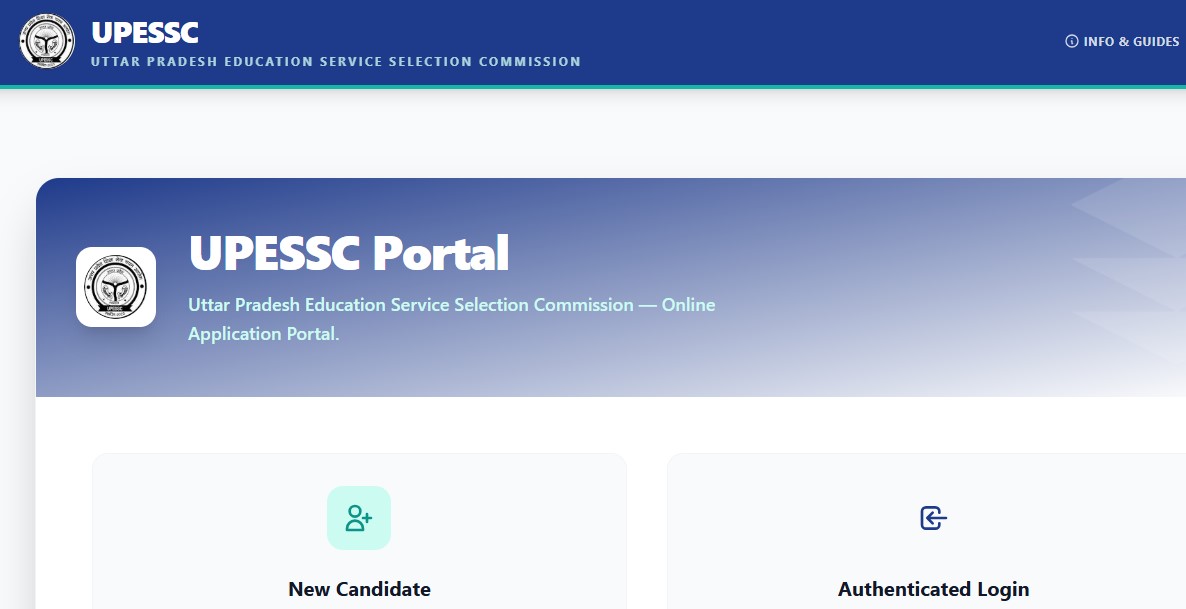
The Uttar Pradesh Education Service Selection Commission (UPESSC) has started the UPTET 2026 registration process from March 27, 2026. Candidates who want to build a career in teaching can now apply online through the official website. The last date to submit the application form and fee is April 26, 2026. This state-level eligibility exam is an important step for candidates aiming to become teachers in government schools in Uttar Pradesh.

I am writing about this because UPTET is one of the most important exams for teaching aspirants, and missing the registration window can delay your career plans. From my experience, many candidates wait till the last moment and face technical issues or confusion. That is why it is always better to understand the process clearly and complete the application early without stress.

UPTET 2026 Overview

Here is a quick summary of the important details:

ParticularsDetails
Exam NameUttar Pradesh Teacher Eligibility Test (UPTET) 2026
Conducting BodyUP Education Service Selection Commission (UPESSC)
Registration Start DateMarch 27, 2026
Last Date to ApplyApril 26, 2026
Correction WindowTill May 1, 2026
Exam DateJuly 2, 3 and 4, 2026
Mode of ApplicationOnline
Official Websiteupessc.up.gov.in

Why UPTET Is Important

UPTET is a qualifying exam for teaching jobs in Uttar Pradesh.

  • Required for teaching in government schools
  • Conducted for Primary (Classes 1–5) and Upper Primary (Classes 6–8)
  • Valid qualification for future teaching recruitment

Clearing this exam is essential if you want to pursue a teaching career in the state.

UPTET 2026 Application Process

Candidates can follow these steps to apply online:

  • Visit the official website uptet.upessc.org
  • Complete the One Time Registration (OTR) to generate your ID
  • Log in using the generated credentials
  • Fill out the application form with all required details
  • Upload necessary documents
  • Pay the application fee online
  • Submit the form and save a copy for future reference

Candidates must complete OTR first, as applications without it will not be accepted.

Application Fee Details

The application fee varies by category:

  • General / EWS / OBC: ₹1000 per paper
  • SC / ST: ₹500 per paper
  • PwD: ₹300 per paper

Candidates applying for both papers will need to pay fees for each paper separately.

Details Required While Filling the Form

Candidates should keep the following information ready:

  • Name, Date of Birth
  • Father’s and Mother’s Name
  • Aadhaar Number
  • Gender and Category
  • Language preferences
  • Mobile number and Email ID
  • Address details
  • Educational qualifications
  • Employment status
  • Exam centre preference

Having these details ready will make the process smoother.

Exam Pattern and Papers

UPTET is conducted in two papers:

  • Paper I: For teaching Classes 1 to 5
  • Paper II: For teaching Classes 6 to 8

Candidates can apply for one or both papers depending on eligibility.

Correction Window

After the registration closes:

  • Candidates will get a chance to edit their application
  • Correction window will remain open till May 1, 2026

This allows candidates to fix any mistakes in the form.

Important Tips for Candidates

  • Complete your registration well before the last date
  • Double-check all details before submitting
  • Keep a copy of your application form
  • Regularly check the official website for updates
Leave a Comment

End of Article

Why Skill-Based Education Matters Today: Bridging the Gap Between Degrees and Jobs

Why Skill-Based Education Matters Today: Bridging the Gap Between Degrees and Jobs

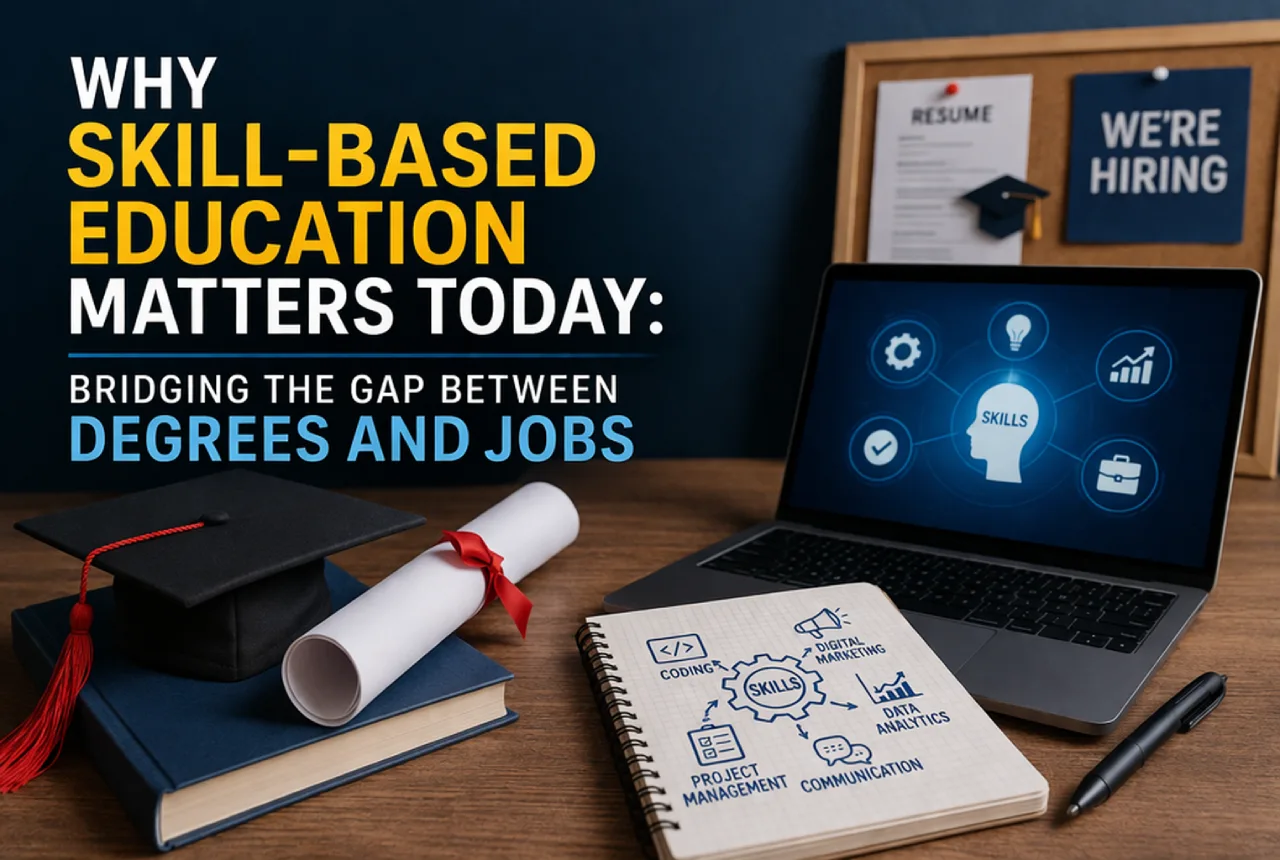
Skill-based education is becoming more important than ever, especially in a country like India where many students complete their degrees but still struggle to find jobs. The main reason is simple—there is often a gap between what students learn in classrooms and what the real world actually demands. Skill-based education focuses on practical knowledge, helping students apply what they learn and making them better prepared for real-life challenges and workplace requirements.

I am writing about this because this issue affects a large number of students today. Many of us spend years studying, yet feel unprepared when it comes to handling real tasks or job responsibilities. Understanding the importance of skill-based learning can help students make better choices and focus on developing abilities that truly matter. It is not just about getting a degree anymore, but about becoming capable and confident in real situations.

What is Skill-Based Education?

Skill-based education focuses on learning practical skills along with theoretical knowledge.

Instead of only memorising concepts, students are encouraged to:

  • Apply knowledge in real-life situations
  • Develop problem-solving abilities
  • Learn through hands-on experience
  • Build communication and teamwork skills

This approach prepares students for both jobs and everyday challenges.

Problems with the Traditional Education System

The current education system in India still relies heavily on rote learning.

Some common issues include:

  • Focus on exams rather than understanding
  • Limited practical exposure
  • Lack of real-world application
  • Students memorising instead of learning

As a result, many students score well academically but struggle in professional environments.

Why Skill-Based Education is Important

Skill-based learning plays a key role in bridging the gap between education and employment.

Here’s why it matters:

  • Improves employability
  • Builds confidence in handling real tasks
  • Helps students adapt to workplace demands
  • Encourages creativity and innovation

From my perspective, it makes education more meaningful and useful.

Key Skills Students Should Develop

To succeed in today’s world, students need more than just subject knowledge.

Important skills include:

  • Communication skills
  • Critical thinking
  • Problem-solving ability
  • Digital and technical skills
  • Teamwork and leadership

These skills are highly valued in every field.

Role of Schools and Colleges

Educational institutions play a major role in promoting skill-based learning.

They can:

  • Introduce practical projects and activities
  • Provide internships and industry exposure
  • Use modern teaching methods
  • Focus on skill development alongside academics

This will help students become more prepared for the future.

How Students Can Focus on Skill Development

Students can also take steps on their own to build skills.

  • Participate in workshops and training programmes
  • Learn new skills online
  • Take part in group activities and projects
  • Practise real-life problem-solving

Small efforts can make a big difference over time.

Benefits of Skill-Based Education

Skill-based education offers several long-term benefits.

  • Better job opportunities
  • Higher confidence levels
  • Ability to adapt to changing industries
  • Strong foundation for career growth

It helps students become independent and capable individuals.

Leave a Comment

End of Article

Loading more posts...

Important Video