
JOIN WHATSAPP
STORIES

Should Legal Education Be Mandatory in Schools? A Case for Change in India

Should Legal Education Be Mandatory in Schools? A Case for Change in India

The debate on whether legal education should be included in school curricula has been gaining ground across India. Experts argue that students must understand their rights, duties, and the basic functioning of laws that directly impact their daily lives. From cyber safety to consumer rights, knowledge of law is no longer just for lawyers but for every citizen. Making legal education compulsory in schools could help students grow into more responsible and aware citizens.

I chose to write about this topic because I strongly feel that the absence of basic legal knowledge is one of the reasons why people often remain unaware of their rights or get exploited in everyday situations. Be it signing a simple rental agreement, facing workplace harassment, or dealing with cyber fraud, most people rely entirely on lawyers or outsiders to explain the law to them. If children are taught the fundamentals of law from a young age, they will not only protect themselves better but also grow up with a stronger sense of justice and responsibility. This discussion is important now because India is witnessing an increase in issues like online scams, cyberbullying, consumer fraud, and social justice concerns. Equipping young students with legal literacy can prepare them to handle these challenges more confidently.

Why Legal Education in Schools is Needed

Legal education at the school level is not just about teaching complex legal codes. It is about building awareness among students so that they know the difference between what is legal and what is not. A basic understanding of laws can help them:

  • Identify and report cybercrimes or online harassment
  • Understand rights as consumers, tenants, and citizens
  • Learn about gender equality, child rights, and anti-bullying laws
  • Become aware of constitutional rights and duties

Countries like the UK and the US already have elements of legal education in their school systems, which has led to higher awareness among young citizens. India can benefit from adopting a similar approach.

Challenges in Implementation

While the idea sounds promising, there are practical challenges too. Schools are already burdened with a packed syllabus, and adding another subject might not be welcomed by teachers and students. Another issue is the shortage of trained faculty who can simplify legal concepts for young learners. Without proper planning, legal education could end up becoming another subject students memorise for exams instead of applying it in real life.

How Legal Education Can Be Introduced

To make it effective, legal education in schools does not have to be taught as a heavy subject. Instead, it can be introduced through:

  • Interactive workshops with lawyers and judges
  • Storytelling sessions around famous legal cases
  • Simple modules integrated into civics and social studies
  • Real-life case studies of consumer fraud, cyber safety, or workplace rights

This way, students learn to apply legal knowledge practically rather than cramming legal terms.

Why It Matters for the Future

The youth of today will be the citizens, voters, and professionals of tomorrow. If they grow up with legal awareness, they will not only make informed personal decisions but also contribute to building a society where justice and fairness are valued. For example, awareness of labour laws can protect young professionals from exploitation when they enter the workforce, while understanding environmental laws can make them responsible citizens in tackling climate issues.

Leave a Comment

End of Article

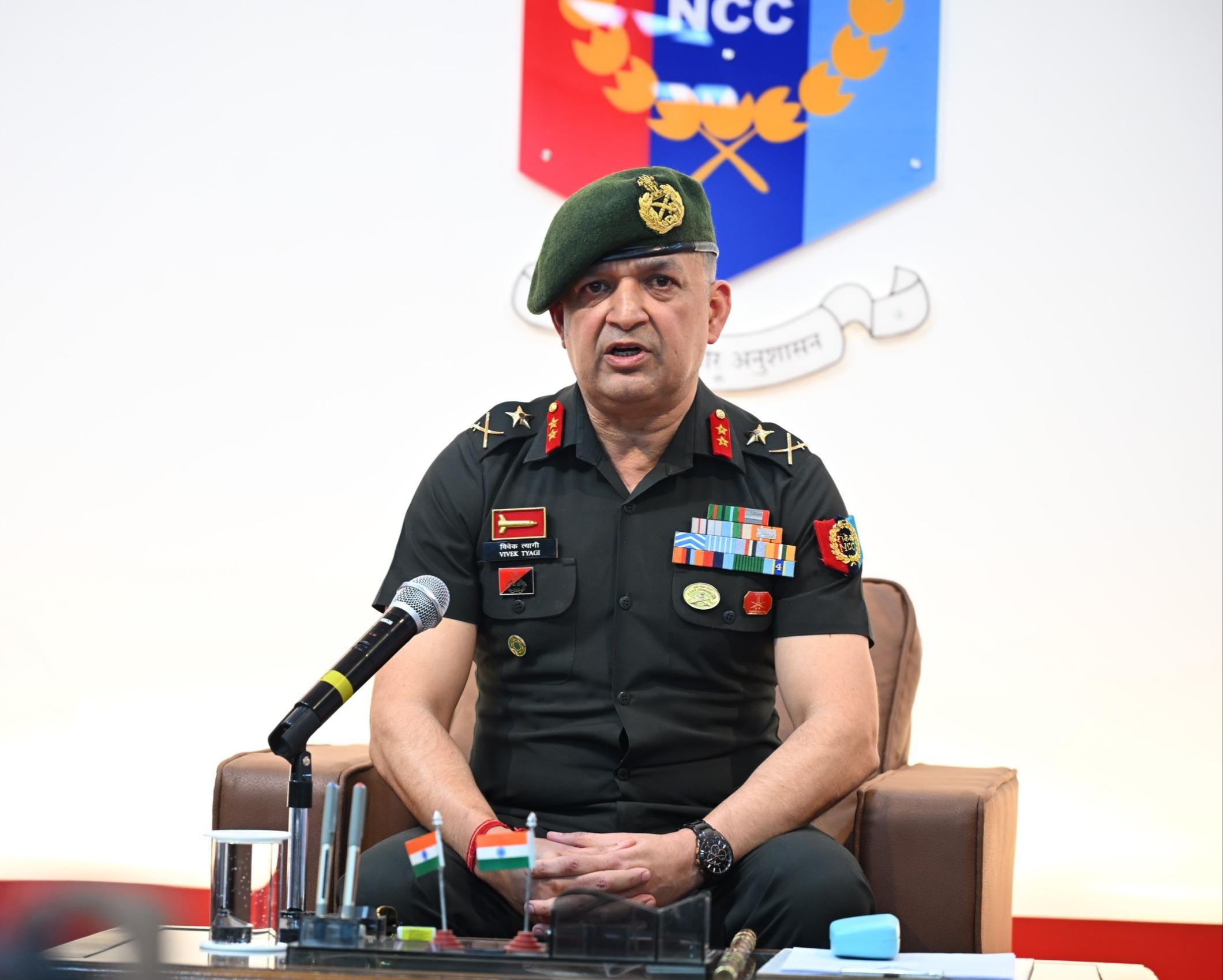
The Pride of Uniform Meets the Future of Tech: Nagpur to Become NCC’s ‘Power House’ under Major General Vivek Tyagi’s New Vision

The Pride of Uniform Meets the Future of Tech: Nagpur to Become NCC’s ‘Power House’ under Major General Vivek Tyagi’s New Vision

Umesh Varma (Senior Photojournalist)
Nagpur | April 29, 2026: “Mastering Drones and Cyber Security is not just the geographical heart of India; it is now set to become the ‘Center of Excellence’ that will give wings to the dreams of NCC cadets across the nation.” These inspiring words were shared by Major General Vivek Kumar Tyagi, Additional Director General (ADG) of NCC Maharashtra, during a special press conference held today. On the first day of his three-day administrative visit, the Major General unveiled a transformative roadmap for the youth and the future of the NCC.

Mastering Drones and Cyber Security

Major General Tyagi announced that a state-of-the-art ‘Drone Training Academy’ is being established in Nagpur. This academy will be unique as it focuses on creating ‘Master Drone Trainers’—cadets and instructors who will go on to train others across various divisions in India. Recognizing the digital age’s challenges, he also highlighted a dedicated ‘Cyber Awareness’ initiative and tech-based skilling, ensuring that cadets are not just physically fit but technologically superior and ready for the future.

Nagpur: A Nursery for Future Officers and Leaders

The Pride of Uniform Meets the Future of Tech: Nagpur to Become NCC’s ‘Power House’ under Major General Vivek Tyagi’s New Vision

The Major General expressed immense pride in the dedication of Nagpur’s youth. He revealed that in just the past few months, 12 to 14 cadets from Nagpur alone have successfully cleared their boards to join the Armed Forces as officers. Whether through the Agniveer scheme, the Armed Forces, or the Maharashtra Police, NCC cadets are leading the way with the motto of ‘Nation First.’ He also noted that the training of civil staff, such as Girl Cadet Instructors (GCI) and Caretaker Officers (CTO) at the Officer Training Academy (OTA) in Kamthi, is playing a pivotal role in expanding the NCC’s reach

Meeting the Surge in Demand: 160 Institutions on Waiting List

The growing craze for the NCC among today’s youth is evident: currently, 160 schools and colleges in Nagpur are on the waiting list to start NCC units. To meet this demand, Major General Tyagi called upon the State Government for support in building a World-Class NCC Academy in Nagpur. He emphasized that the goal is not just to reach the milestone of 1.5 lakh cadets, but to reach the most remote areas of Maharashtra, transforming every student into a confident, resilient, and patriotic leader.

Empowering Daughters and Global Exposure

The Pride of Uniform Meets the Future of Tech: Nagpur to Become NCC’s ‘Power House’ under Major General Vivek Tyagi’s New Vision

A significant highlight of the briefing was the rising strength of women in the corps, with the gender ratio now approaching 60:40. Through the ‘Youth Exchange Program,’ cadets are also interacting with international students, gaining global perspectives and representing India’s diversity. Major General Tyagi concluded by stating that the NCC is more than just a career path; it is a workshop that builds character, discipline, and the best version of a human being.

Leave a Comment

End of Article

Loading more posts...