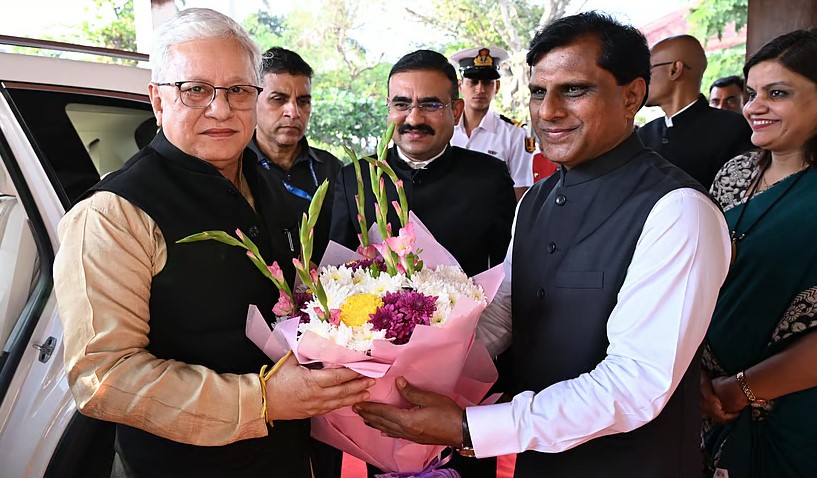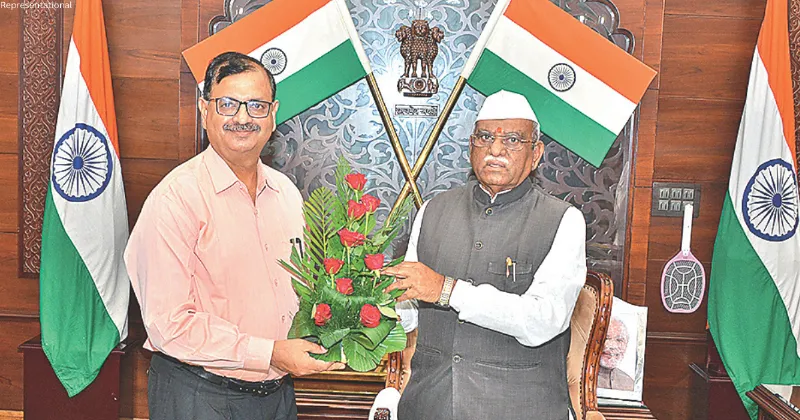
Governor Haribhau Kisanrao Bagade has appealed to tribal communities to give top priority to education, saying that it is the most powerful tool to bring long-term progress. Speaking at a public event, he stressed that while preserving traditions is important, education is the key to creating opportunities, ending poverty, and ensuring equal participation in society. His call is significant because many tribal regions still face challenges like school dropouts, limited resources, and lack of awareness about the importance of studies.
I chose to write about this because education among tribal communities is a subject that often does not get enough attention, even though it can completely change lives. Tribals form a large part of India’s population, yet many of them remain cut off from mainstream education due to poor infrastructure, social barriers, and economic struggles. Highlighting this appeal by Governor Bagade is important because it reminds us that education is not just about getting jobs but also about empowerment, awareness, and confidence. It is necessary for creating leaders within the tribal communities who can raise their voices for their rights. Writing about this also helps draw attention to the gaps that need to be filled by both government and society to make education accessible for all.
Education as a Path to Equality
The Governor pointed out that education opens the door to equality. With proper schooling and higher studies, tribal youth can compete on equal terms in jobs, entrepreneurship, and governance. Without education, communities remain dependent and vulnerable.
Challenges Faced by Tribal Communities
- Lack of proper schools in remote areas
- Shortage of teachers in tribal regions
- High dropout rates due to poverty and family responsibilities
- Early marriages and social pressures that prevent higher education
- Limited access to technology and modern learning resources
Why Education Should Be the First Priority
For tribal children, education is more than just literacy. It helps them:
- Gain financial independence
- Break the cycle of poverty
- Learn about their rights and responsibilities
- Balance tradition with modern opportunities
- Represent their community in higher positions of society
Role of Government and Society
While leaders like Governor Bagade highlight the importance of education, it is equally important for governments to strengthen infrastructure in tribal belts. This includes setting up hostels, providing scholarships, and ensuring digital access. NGOs and local groups also play a key role in spreading awareness among parents about why they should send their children, especially girls, to school.