JOIN WHATSAPP
STORIES

Uttarakhand Cabinet Clears Minority Education Bill, Plans to Scrap Madrasa Act

Uttarakhand Cabinet Clears Minority Education Bill, Plans to Scrap Madrasa Act

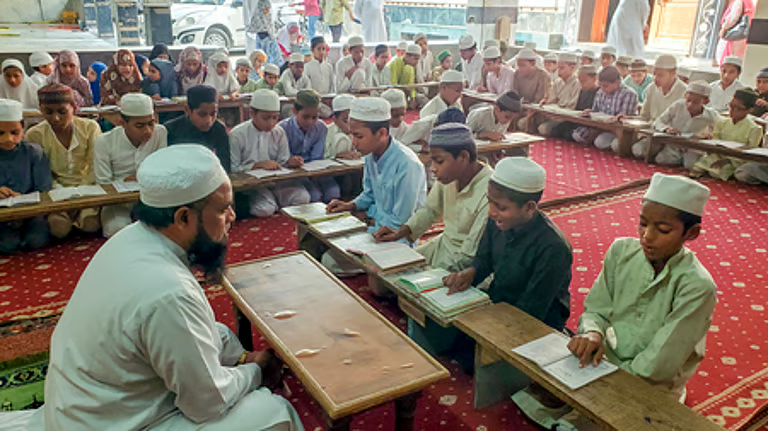
The Uttarakhand cabinet has given its nod to the Minority Education Bill 2025, which aims to repeal the state’s Madrasa Education Act. Once passed in the Assembly, the bill will replace the existing law and bring minority-run educational institutions, including madrasas, under a unified framework. This move is seen as part of the government’s plan to standardise education and strengthen monitoring of such institutions.

I chose to write about this because the issue goes beyond just a change in law. It has wide social, cultural, and educational implications, especially in a state like Uttarakhand where minority-run institutions play a role in community education. The proposal to scrap the Madrasa Act has already stirred debate, with some groups welcoming the change as a step towards modernisation and accountability, while others fear it may dilute the traditional learning system. For readers, it is important to understand the details of the bill, what it means for students and institutions, and how it connects to the larger discussion on education reform in India. Knowing these developments is crucial because they reflect how state policies are shaping the balance between tradition and modernity in the education sector.

What the Minority Education Bill Proposes

According to the cabinet decision, the Minority Education Bill 2025 will repeal the Uttarakhand Madrasa Education Act of 2009. The new framework will:

  • Bring madrasas and other minority-run schools under one board.
  • Ensure that students studying in these institutions have access to modern subjects like science, maths, and languages along with religious education.
  • Introduce greater accountability and monitoring of funds, curriculum, and teacher appointments.
  • Give recognition certificates to eligible institutions under the new law.

Why the Madrasa Act is Being Repealed

The state government has argued that the 2009 Madrasa Act was limited in scope and only focused on religious education, which left madrasa students with fewer career options. By scrapping it, the new bill aims to integrate minority students into mainstream education. Officials have also pointed out that a single minority education law will reduce administrative confusion and help improve the quality of education across institutions.

Concerns Raised by Minority Institutions

While the government sees the move as a reform, several madrasa representatives have raised concerns. They worry that repealing the Madrasa Act could reduce their autonomy and affect the cultural identity associated with their institutions. Some also fear that stricter monitoring may lead to unnecessary interference in religious studies. Community leaders have asked for clarity on how traditional learning will be safeguarded within the new system.

Broader Context of Education Reforms

This decision comes at a time when several states are focusing on modernising madrasa education. Uttar Pradesh, Assam, and other states have also taken steps in recent years to review madrasa systems. The aim, according to governments, has been to provide equal opportunities to minority students by ensuring they study mainstream subjects along with religious teachings.

Leave a Comment

End of Article

The Pride of Uniform Meets the Future of Tech: Nagpur to Become NCC’s ‘Power House’ under Major General Vivek Tyagi’s New Vision

The Pride of Uniform Meets the Future of Tech: Nagpur to Become NCC’s ‘Power House’ under Major General Vivek Tyagi’s New Vision

Umesh Varma (Senior Photojournalist)
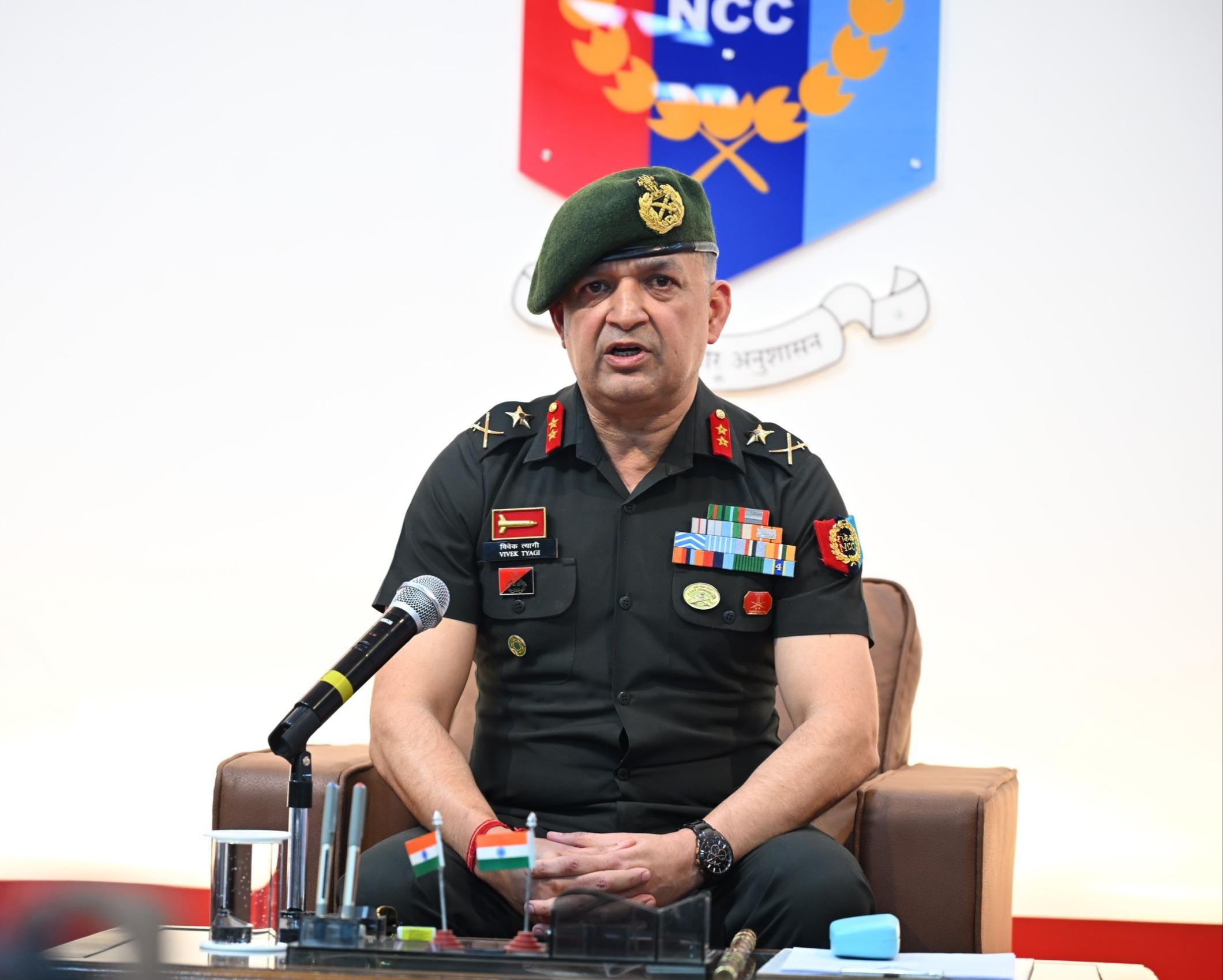
Nagpur | April 29, 2026: “Mastering Drones and Cyber Security is not just the geographical heart of India; it is now set to become the ‘Center of Excellence’ that will give wings to the dreams of NCC cadets across the nation.” These inspiring words were shared by Major General Vivek Kumar Tyagi, Additional Director General (ADG) of NCC Maharashtra, during a special press conference held today. On the first day of his three-day administrative visit, the Major General unveiled a transformative roadmap for the youth and the future of the NCC.

Mastering Drones and Cyber Security

Major General Tyagi announced that a state-of-the-art ‘Drone Training Academy’ is being established in Nagpur. This academy will be unique as it focuses on creating ‘Master Drone Trainers’—cadets and instructors who will go on to train others across various divisions in India. Recognizing the digital age’s challenges, he also highlighted a dedicated ‘Cyber Awareness’ initiative and tech-based skilling, ensuring that cadets are not just physically fit but technologically superior and ready for the future.

Nagpur: A Nursery for Future Officers and Leaders

The Pride of Uniform Meets the Future of Tech: Nagpur to Become NCC’s ‘Power House’ under Major General Vivek Tyagi’s New Vision

The Major General expressed immense pride in the dedication of Nagpur’s youth. He revealed that in just the past few months, 12 to 14 cadets from Nagpur alone have successfully cleared their boards to join the Armed Forces as officers. Whether through the Agniveer scheme, the Armed Forces, or the Maharashtra Police, NCC cadets are leading the way with the motto of ‘Nation First.’ He also noted that the training of civil staff, such as Girl Cadet Instructors (GCI) and Caretaker Officers (CTO) at the Officer Training Academy (OTA) in Kamthi, is playing a pivotal role in expanding the NCC’s reach

Meeting the Surge in Demand: 160 Institutions on Waiting List

The growing craze for the NCC among today’s youth is evident: currently, 160 schools and colleges in Nagpur are on the waiting list to start NCC units. To meet this demand, Major General Tyagi called upon the State Government for support in building a World-Class NCC Academy in Nagpur. He emphasized that the goal is not just to reach the milestone of 1.5 lakh cadets, but to reach the most remote areas of Maharashtra, transforming every student into a confident, resilient, and patriotic leader.

Empowering Daughters and Global Exposure

The Pride of Uniform Meets the Future of Tech: Nagpur to Become NCC’s ‘Power House’ under Major General Vivek Tyagi’s New Vision

A significant highlight of the briefing was the rising strength of women in the corps, with the gender ratio now approaching 60:40. Through the ‘Youth Exchange Program,’ cadets are also interacting with international students, gaining global perspectives and representing India’s diversity. Major General Tyagi concluded by stating that the NCC is more than just a career path; it is a workshop that builds character, discipline, and the best version of a human being.

Leave a Comment

End of Article

Loading more posts...