JOIN WHATSAPP
STORIES

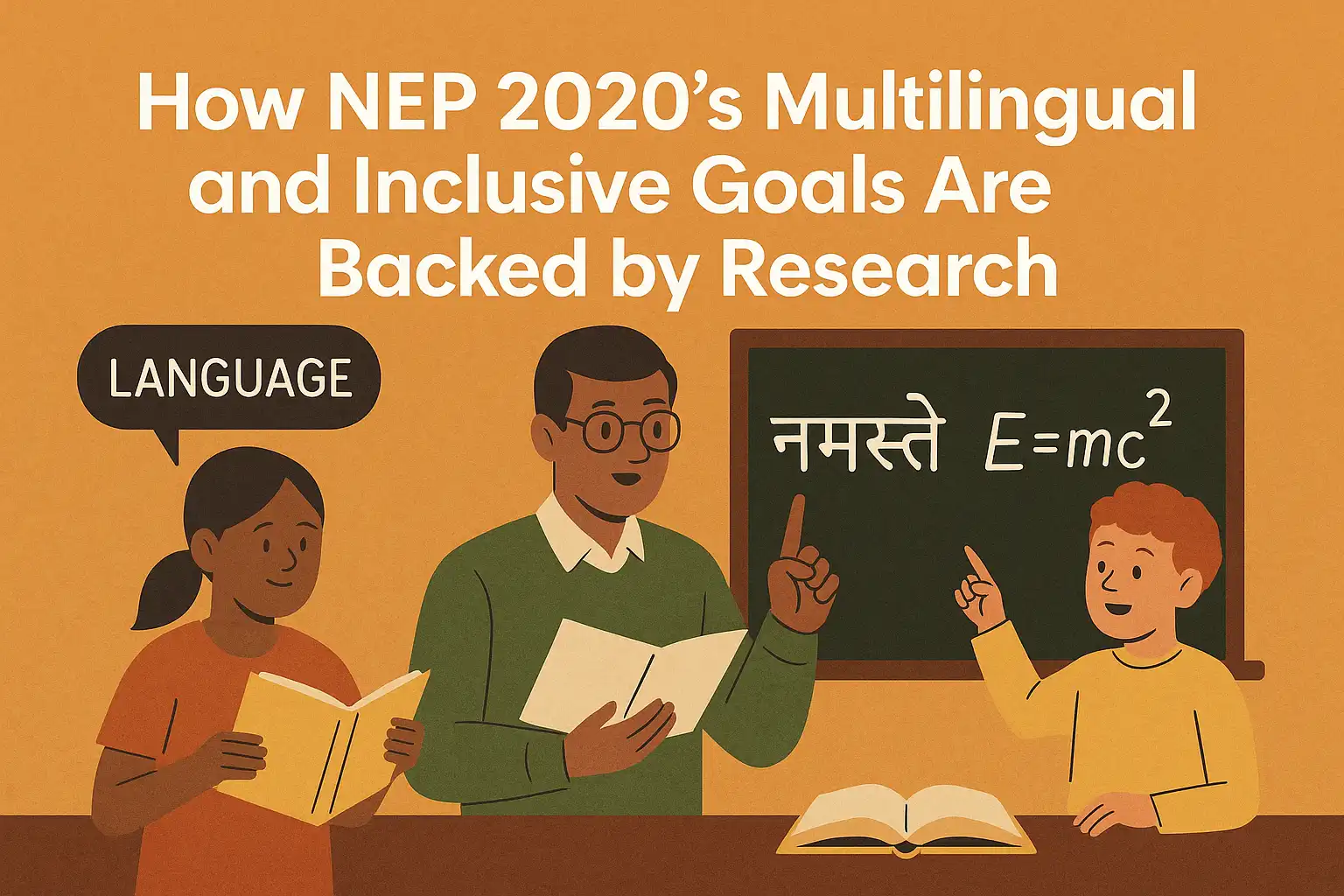
How NEP 2020’s Multilingual and Inclusive Goals Are Backed by Research

How NEP 2020’s Multilingual and Inclusive Goals Are Backed by Research

The National Education Policy (NEP) 2020 placed strong emphasis on teaching in the mother tongue, promoting multilingual classrooms, and ensuring inclusivity in education. Recent studies and expert findings now show that children not only learn faster in their native language but also develop stronger cognitive skills when exposed to multiple languages. This validates the government’s push towards a multilingual and inclusive approach in schools.

I felt this topic deserves attention because the NEP 2020 has been one of the most debated reforms in recent years. Many parents and teachers wondered whether shifting to mother tongue-based learning or making classrooms more inclusive would actually help students. Now, with evidence showing that such practices improve comprehension, reduce dropout rates, and promote equity, it becomes important to highlight why this model is practical and future-oriented. I am writing about this to underline the fact that educational reforms should not be judged only by policy papers but also by how they impact learning outcomes. With research confirming NEP’s direction, the conversation shifts from “whether it will work” to “how we can make it work effectively.”

Why Multilingual Education Matters

Research shows that children taught in their mother tongue during the early years develop better reading and problem-solving skills. For example:

  • A UNESCO report found that early education in the home language improves learning outcomes significantly.
  • Indian studies have shown that students in multilingual setups display stronger adaptability and cultural understanding.

Multilingual classrooms also encourage respect for diversity, as children learn to interact across linguistic backgrounds. This helps them become more confident in both local and global contexts.

Inclusivity at the Core of NEP 2020

Another important part of NEP 2020 is inclusive education. This means making learning accessible for children with disabilities, from marginalised groups, and those in rural areas. Research indicates that inclusive classrooms create a supportive environment where no child feels left out. Teachers using flexible teaching methods and assistive technologies are helping children with different learning needs progress at their own pace.

Practical Benefits Observed

The combination of multilingual and inclusive education brings tangible benefits such as:

  • Reduced dropout rates in primary schools
  • Better academic performance in higher classes
  • Improved participation from rural and disadvantaged students
  • Higher confidence among children with disabilities

Challenges and Way Forward

While the vision is clear, there are challenges in implementing it across India. These include shortage of trained teachers, lack of quality materials in regional languages, and limited awareness among parents. Addressing these gaps will require collaboration between government bodies, schools, teacher training institutes, and communities.
Leave a Comment

End of Article

The Pride of Uniform Meets the Future of Tech: Nagpur to Become NCC’s ‘Power House’ under Major General Vivek Tyagi’s New Vision

The Pride of Uniform Meets the Future of Tech: Nagpur to Become NCC’s ‘Power House’ under Major General Vivek Tyagi’s New Vision

Umesh Varma (Senior Photojournalist)
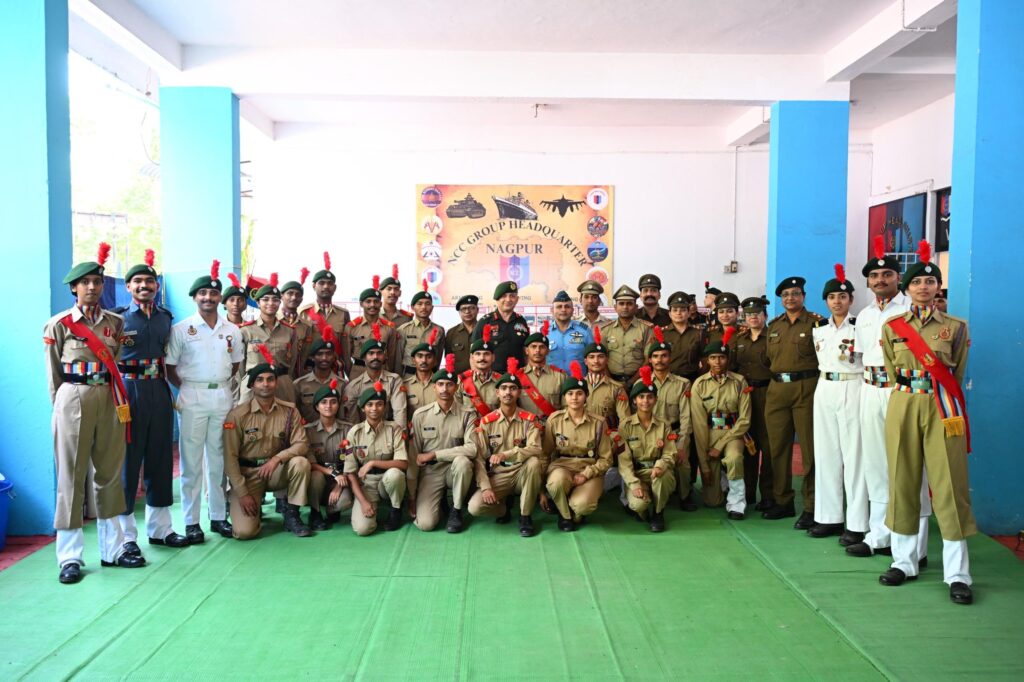
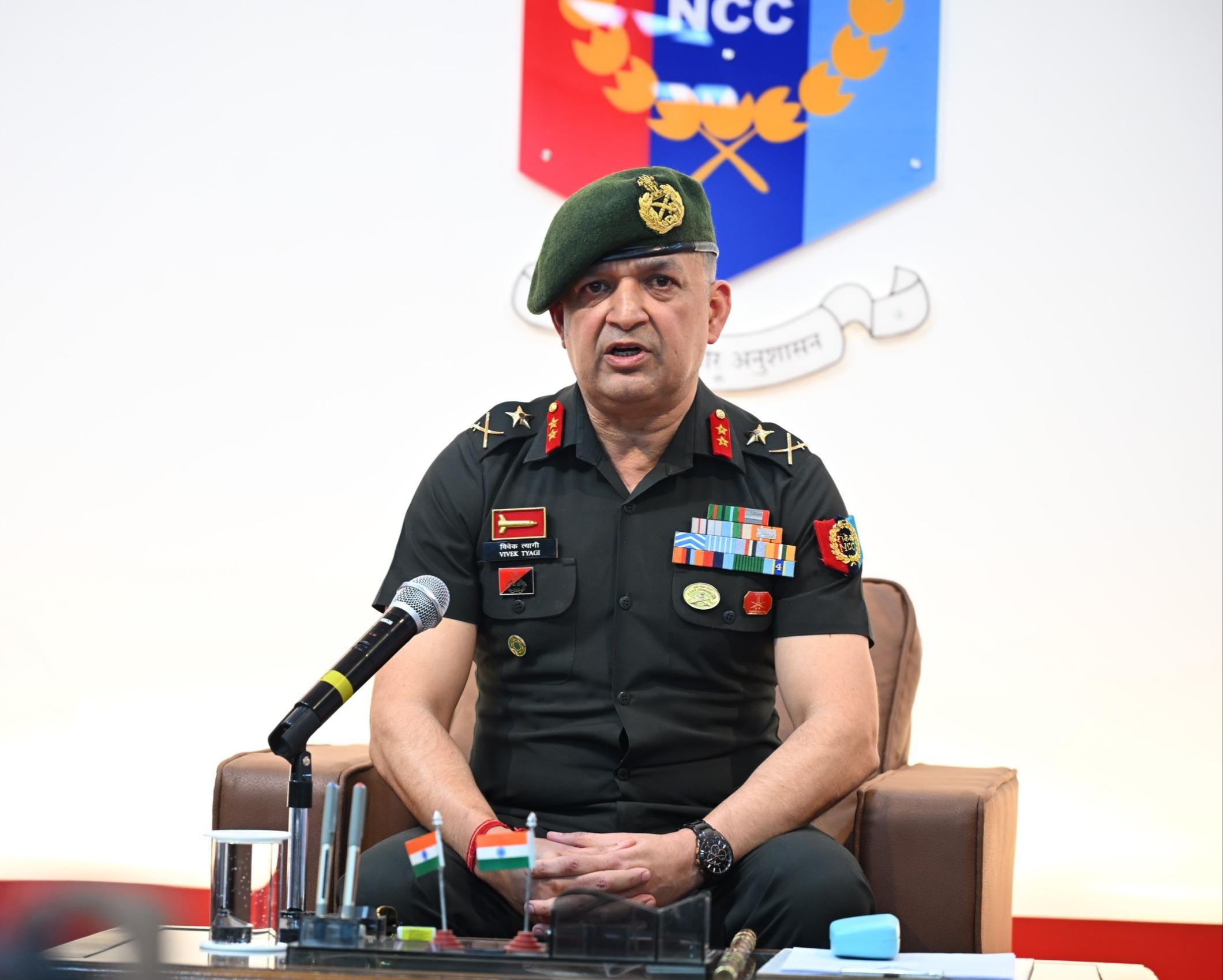
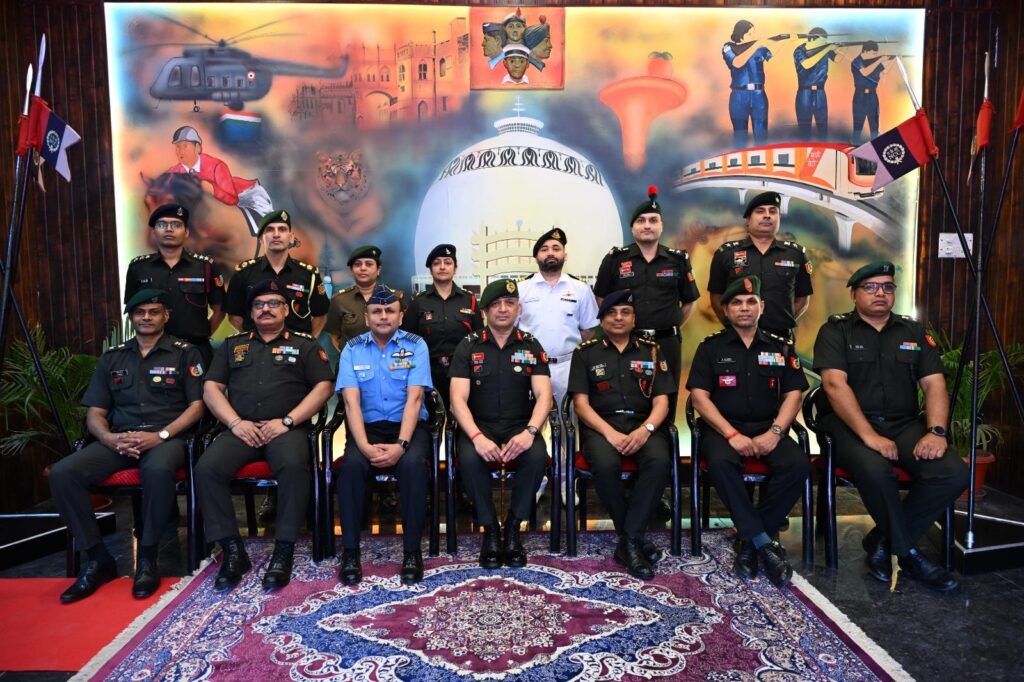
Nagpur | April 29, 2026: “Mastering Drones and Cyber Security is not just the geographical heart of India; it is now set to become the ‘Center of Excellence’ that will give wings to the dreams of NCC cadets across the nation.” These inspiring words were shared by Major General Vivek Kumar Tyagi, Additional Director General (ADG) of NCC Maharashtra, during a special press conference held today. On the first day of his three-day administrative visit, the Major General unveiled a transformative roadmap for the youth and the future of the NCC.

Mastering Drones and Cyber Security

Major General Tyagi announced that a state-of-the-art ‘Drone Training Academy’ is being established in Nagpur. This academy will be unique as it focuses on creating ‘Master Drone Trainers’—cadets and instructors who will go on to train others across various divisions in India. Recognizing the digital age’s challenges, he also highlighted a dedicated ‘Cyber Awareness’ initiative and tech-based skilling, ensuring that cadets are not just physically fit but technologically superior and ready for the future.

Nagpur: A Nursery for Future Officers and Leaders

The Pride of Uniform Meets the Future of Tech: Nagpur to Become NCC’s ‘Power House’ under Major General Vivek Tyagi’s New Vision

The Major General expressed immense pride in the dedication of Nagpur’s youth. He revealed that in just the past few months, 12 to 14 cadets from Nagpur alone have successfully cleared their boards to join the Armed Forces as officers. Whether through the Agniveer scheme, the Armed Forces, or the Maharashtra Police, NCC cadets are leading the way with the motto of ‘Nation First.’ He also noted that the training of civil staff, such as Girl Cadet Instructors (GCI) and Caretaker Officers (CTO) at the Officer Training Academy (OTA) in Kamthi, is playing a pivotal role in expanding the NCC’s reach

Meeting the Surge in Demand: 160 Institutions on Waiting List

The growing craze for the NCC among today’s youth is evident: currently, 160 schools and colleges in Nagpur are on the waiting list to start NCC units. To meet this demand, Major General Tyagi called upon the State Government for support in building a World-Class NCC Academy in Nagpur. He emphasized that the goal is not just to reach the milestone of 1.5 lakh cadets, but to reach the most remote areas of Maharashtra, transforming every student into a confident, resilient, and patriotic leader.

Empowering Daughters and Global Exposure

The Pride of Uniform Meets the Future of Tech: Nagpur to Become NCC’s ‘Power House’ under Major General Vivek Tyagi’s New Vision

A significant highlight of the briefing was the rising strength of women in the corps, with the gender ratio now approaching 60:40. Through the ‘Youth Exchange Program,’ cadets are also interacting with international students, gaining global perspectives and representing India’s diversity. Major General Tyagi concluded by stating that the NCC is more than just a career path; it is a workshop that builds character, discipline, and the best version of a human being.

Leave a Comment

End of Article

Loading more posts...