JOIN WHATSAPP
STORIES

Adult Literacy in India: What Kerala, Mizoram and Chandigarh Can Teach Us

Adult Literacy in India: What Kerala, Mizoram and Chandigarh Can Teach Us

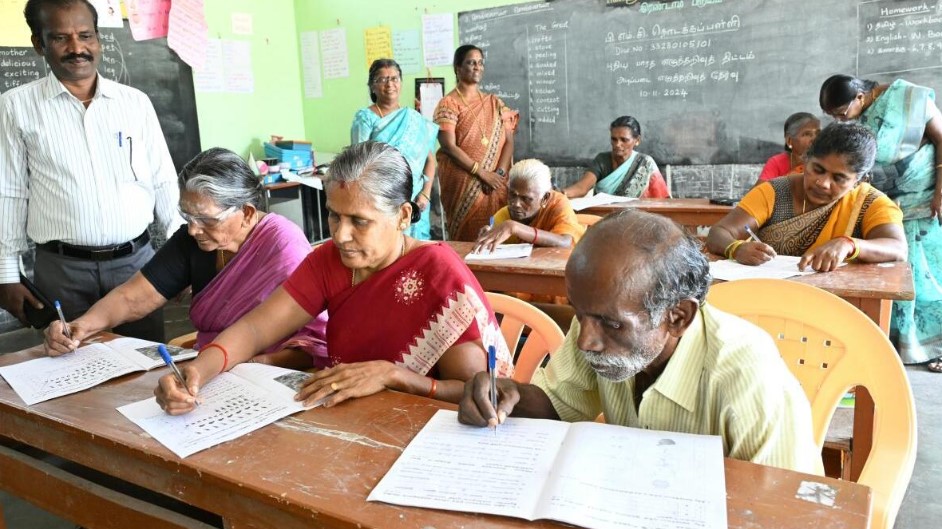
Adult literacy is more than just teaching people to read and write; it is about giving them the ability to live with confidence, access opportunities, and make informed choices. In India, states like Kerala and Mizoram, along with the union territory of Chandigarh, have shown how strong planning, community involvement, and government support can transform adult education into a powerful movement.

I chose to write about this because literacy is the foundation of development. Without it, access to jobs, health information, financial independence, and even basic rights becomes difficult. Adult literacy is often overlooked in discussions about education, but it is critical for reducing inequality. Highlighting the examples of Kerala, Mizoram, and Chandigarh helps us understand what has worked in practice and how these lessons can be applied elsewhere. As someone who has seen how education opens doors, I believe that spreading awareness about successful literacy models is important. It reminds us that even small interventions like night schools, self-help groups, and community teachers can change lives.

What is Adult Literacy

Adult literacy refers to the ability of grown-up individuals to read, write, and use numbers for daily life. It includes skills like reading instructions, signing documents, using banking services, and understanding basic health care information.

Kerala’s Model of Literacy

Kerala is often called India’s most literate state. Its success in adult literacy comes from:

  • Strong people’s movements like the Kerala State Literacy Mission
  • Involvement of volunteers, especially retired teachers
  • Use of neighbourhood centres and libraries for adult classes

The “Total Literacy Campaign” launched in 1990 made Ernakulam district India’s first fully literate district. This model combined government effort with community participation.

Mizoram’s Success Story

Mizoram has consistently reported literacy rates above 90%. Its adult literacy programmes succeeded because:

  • Churches and local organisations actively participated
  • Emphasis on mother tongue teaching for adults
  • Women’s groups played a big role in spreading awareness

This shows how cultural and community values can boost literacy campaigns when they are localised and inclusive.

Chandigarh’s Practical Approach

Being a union territory, Chandigarh followed a structured approach by setting up literacy centres in urban areas. Adult education was linked with skill development so that learners could use their literacy in jobs, self-employment, or household management. This practical connection between learning and livelihood made programmes sustainable.

Why These Examples Matter

Kerala, Mizoram, and Chandigarh highlight that adult literacy is not just about classroom teaching. It needs social movements, local leadership, and practical outcomes. These models prove that literacy must be linked with real life—health, income, and dignity.
Leave a Comment

End of Article

The Pride of Uniform Meets the Future of Tech: Nagpur to Become NCC’s ‘Power House’ under Major General Vivek Tyagi’s New Vision

The Pride of Uniform Meets the Future of Tech: Nagpur to Become NCC’s ‘Power House’ under Major General Vivek Tyagi’s New Vision

Umesh Varma (Senior Photojournalist)
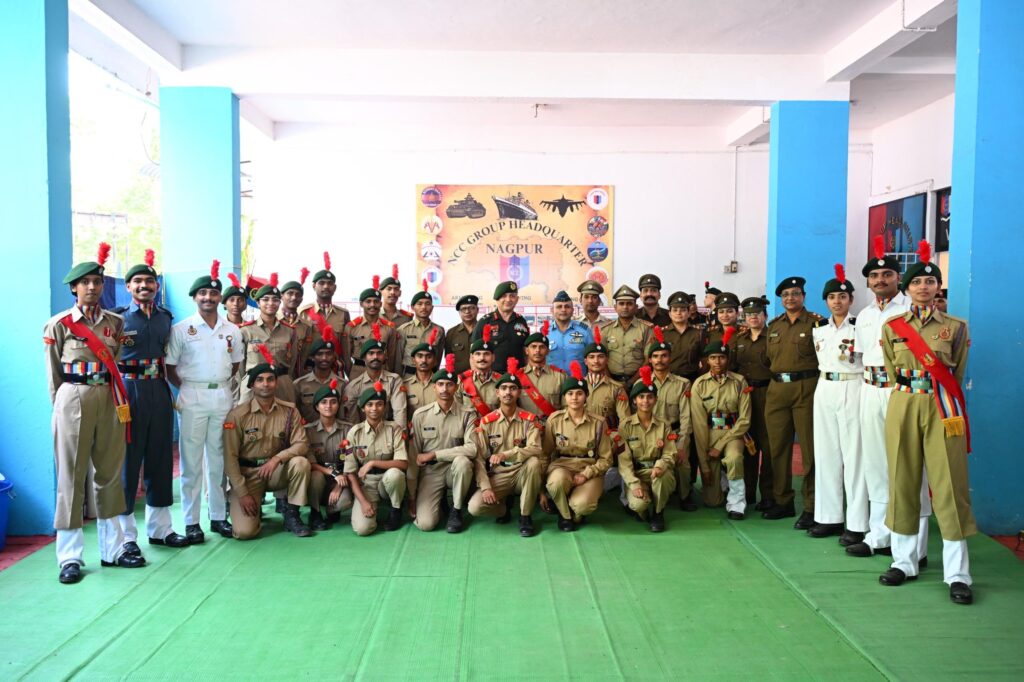
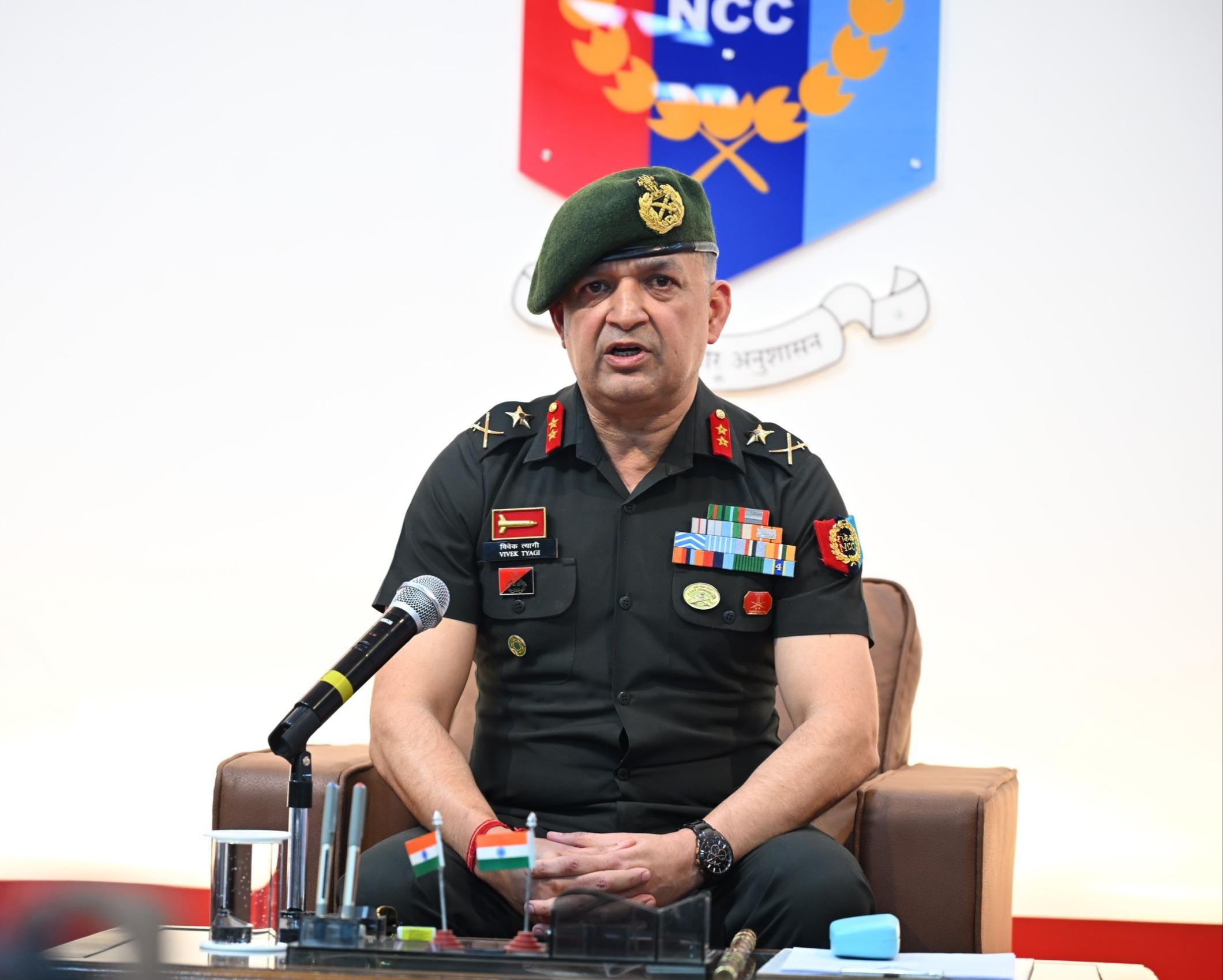
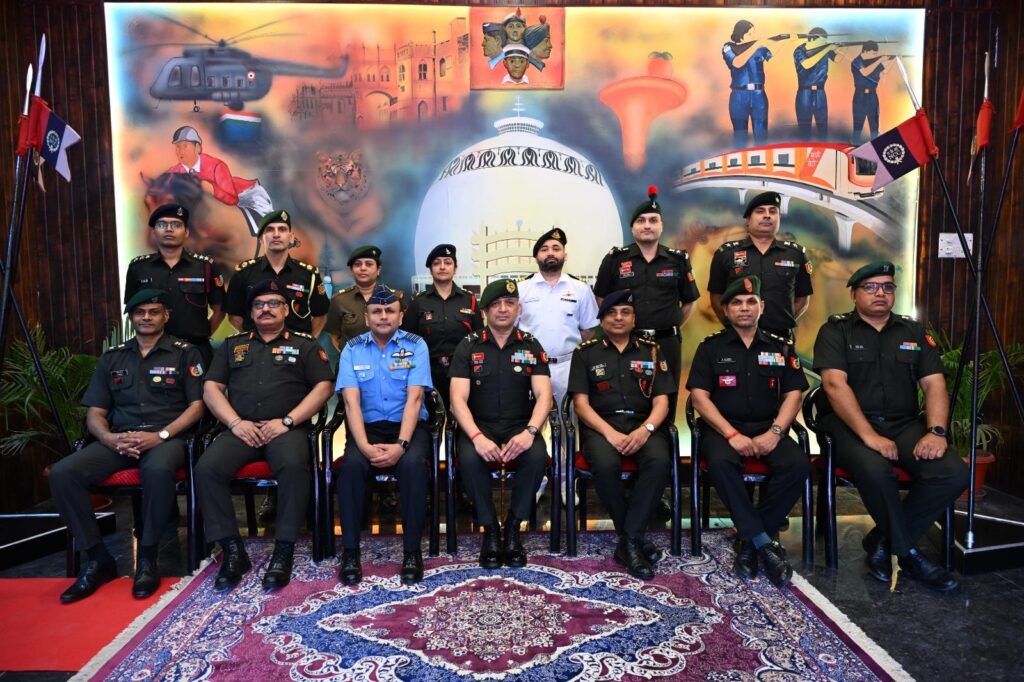
Nagpur | April 29, 2026: “Mastering Drones and Cyber Security is not just the geographical heart of India; it is now set to become the ‘Center of Excellence’ that will give wings to the dreams of NCC cadets across the nation.” These inspiring words were shared by Major General Vivek Kumar Tyagi, Additional Director General (ADG) of NCC Maharashtra, during a special press conference held today. On the first day of his three-day administrative visit, the Major General unveiled a transformative roadmap for the youth and the future of the NCC.

Mastering Drones and Cyber Security

Major General Tyagi announced that a state-of-the-art ‘Drone Training Academy’ is being established in Nagpur. This academy will be unique as it focuses on creating ‘Master Drone Trainers’—cadets and instructors who will go on to train others across various divisions in India. Recognizing the digital age’s challenges, he also highlighted a dedicated ‘Cyber Awareness’ initiative and tech-based skilling, ensuring that cadets are not just physically fit but technologically superior and ready for the future.

Nagpur: A Nursery for Future Officers and Leaders

The Pride of Uniform Meets the Future of Tech: Nagpur to Become NCC’s ‘Power House’ under Major General Vivek Tyagi’s New Vision

The Major General expressed immense pride in the dedication of Nagpur’s youth. He revealed that in just the past few months, 12 to 14 cadets from Nagpur alone have successfully cleared their boards to join the Armed Forces as officers. Whether through the Agniveer scheme, the Armed Forces, or the Maharashtra Police, NCC cadets are leading the way with the motto of ‘Nation First.’ He also noted that the training of civil staff, such as Girl Cadet Instructors (GCI) and Caretaker Officers (CTO) at the Officer Training Academy (OTA) in Kamthi, is playing a pivotal role in expanding the NCC’s reach

Meeting the Surge in Demand: 160 Institutions on Waiting List

The growing craze for the NCC among today’s youth is evident: currently, 160 schools and colleges in Nagpur are on the waiting list to start NCC units. To meet this demand, Major General Tyagi called upon the State Government for support in building a World-Class NCC Academy in Nagpur. He emphasized that the goal is not just to reach the milestone of 1.5 lakh cadets, but to reach the most remote areas of Maharashtra, transforming every student into a confident, resilient, and patriotic leader.

Empowering Daughters and Global Exposure

The Pride of Uniform Meets the Future of Tech: Nagpur to Become NCC’s ‘Power House’ under Major General Vivek Tyagi’s New Vision

A significant highlight of the briefing was the rising strength of women in the corps, with the gender ratio now approaching 60:40. Through the ‘Youth Exchange Program,’ cadets are also interacting with international students, gaining global perspectives and representing India’s diversity. Major General Tyagi concluded by stating that the NCC is more than just a career path; it is a workshop that builds character, discipline, and the best version of a human being.

Leave a Comment

End of Article

Loading more posts...