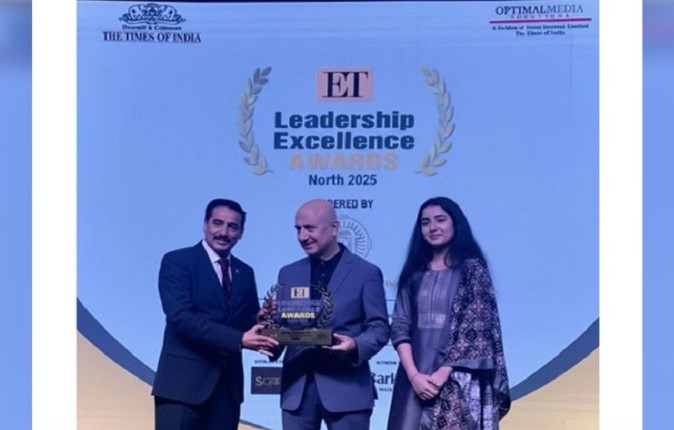
IFS officer Rajesh Sharma has been honoured with the Leadership Excellence Award for his outstanding contribution to strengthening Himachal Pradesh’s education system and creating opportunities for students. His work shows how committed leadership can bring positive change, especially in rural and government schools that often struggle with resources.
I am writing about this because education reforms led by individuals like Sharma prove that systemic change is possible even within government structures. Many officers work silently on the ground, but recognition like this highlights the importance of their efforts. Himachal Pradesh has been steadily improving in literacy and school enrolment, but challenges like dropout rates, lack of digital access, and skill development remain. By focusing on innovative learning methods, better teacher training, and student-centric policies, Sharma has set an example for other states. It matters to know such stories because they show how good governance directly impacts young lives, and they remind us that leadership is not only about positions but about action.
Rajesh Sharma’s Role in Education Reform
Rajesh Sharma, an Indian Forest Service officer, went beyond his usual administrative duties and took active initiatives to uplift school education in Himachal Pradesh. He introduced programmes that connected education with real-world skills, encouraged digital learning tools, and supported teachers with better resources.
Key Achievements Recognised by the Award
- Strengthening government schools with modern teaching practices
- Promoting digital literacy among rural students
- Introducing vocational learning modules for skill development
- Enhancing teacher training and capacity building
- Creating initiatives that improved student participation and reduced dropouts
Why This Recognition Matters
The Leadership Excellence Award given to Rajesh Sharma is not just about individual achievement. It points towards a growing recognition that education reforms need strong leaders who can bridge policy and practice. In states like Himachal, where geography makes access difficult, such efforts bring visible improvements in student learning outcomes.
Lessons for Other States
- Focus on local challenges and design education reforms accordingly
- Encourage collaboration between teachers, administrators, and communities
- Integrate technology to make learning inclusive and accessible
- Recognise and reward officers and educators who drive meaningful change