“Laws framed after deliberations reflect the will of the people”
– Chief Minister Devendra Fadnavis
Nagpur, Dec. 13:
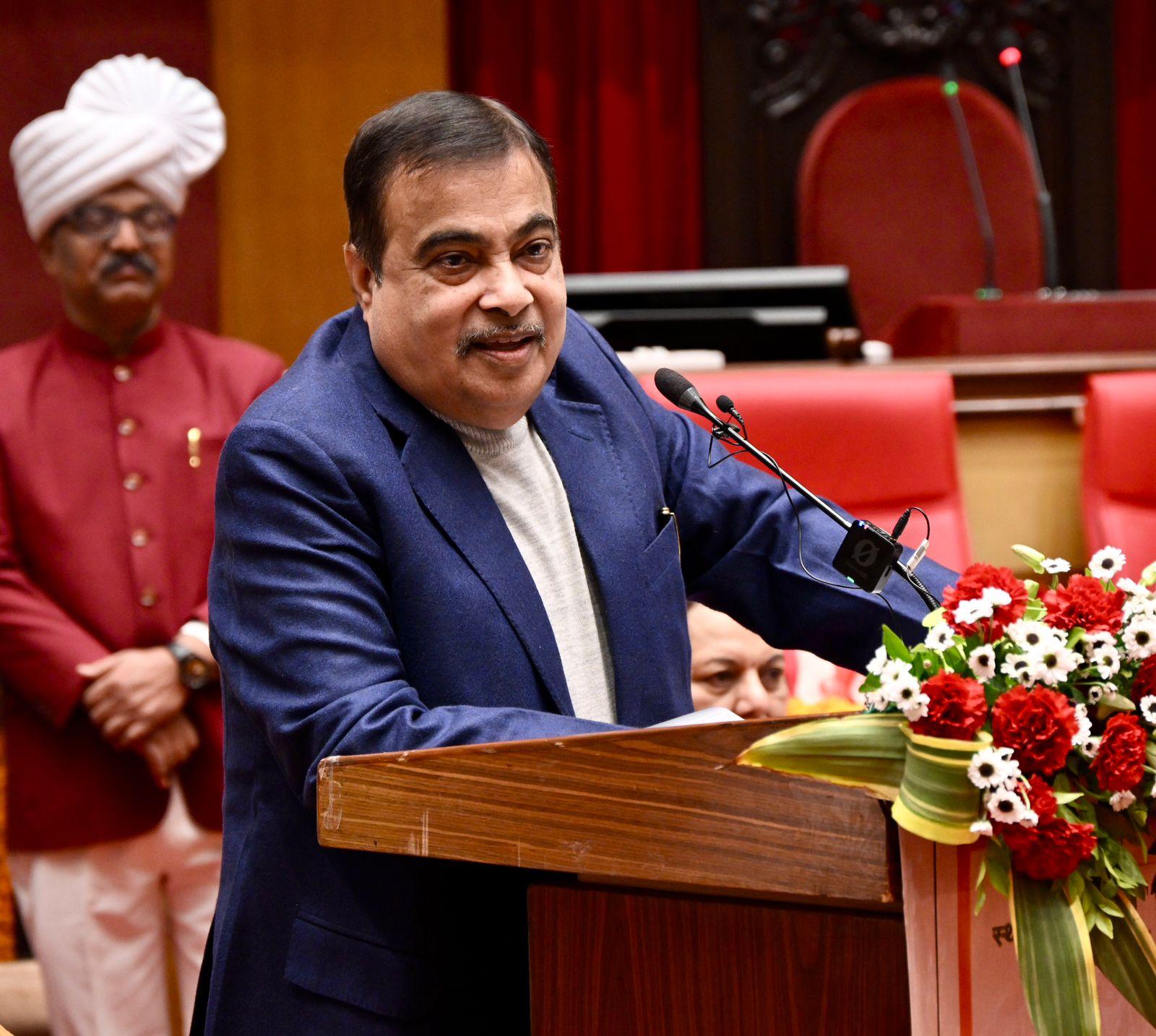
Students of political science regularly visit under the Commonwealth Parliamentary Association for training. Through this platform, they get an opportunity to understand the legislative process and the parliamentary system. Democracy is enriched through such training and awareness. Therefore, awareness, training, and research together form the three pillars of a prosperous democracy, asserted Union Minister for Road Transport and Highways, Shri Nitin Gadkari.
The second volume of a reference-rich book series published by the V. S. Page Parliamentary Training Centre—based on important Bills, resolutions, and policies passed by the Legislative Council—was released today at a function held in the Legislative Council Hall, at the hands of Union Minister Shri Gadkari.
Present on the occasion were Chairman of the Legislative Council Prof. Ram Shinde, Speaker of the Legislative Assembly Adv. Rahul Narwekar, Chief Minister Devendra Fadnavis, Deputy Chief Minister Ajit Pawar, Minister for Parliamentary Affairs Chandrakant Patil, and Deputy Chairperson Dr. Neelam Gorhe.
Union Minister Nitin Gadkari said that the House which educated him for 18 years, enriched him with experience, and gave him the opportunity to serve the nation, has once again given him the privilege of returning on this occasion. This revived many memories associated with the House. The skill of extracting what is required for the development of the state through debate was taught by this very House. Effective laws have been framed through discussions on legislation in the Legislative Council. While intense rule-based debates took place on various state issues, personal relationships were never strained—this is the rich tradition of our democracy.
In a democracy, the Constitution defines rights and duties, creating equal opportunities for development. The legislature has upheld the finest democratic traditions. Through these books, the intellectual legacy of the House will reach the new generation. Therefore, everyone should read these volumes, appealed Shri Gadkari.
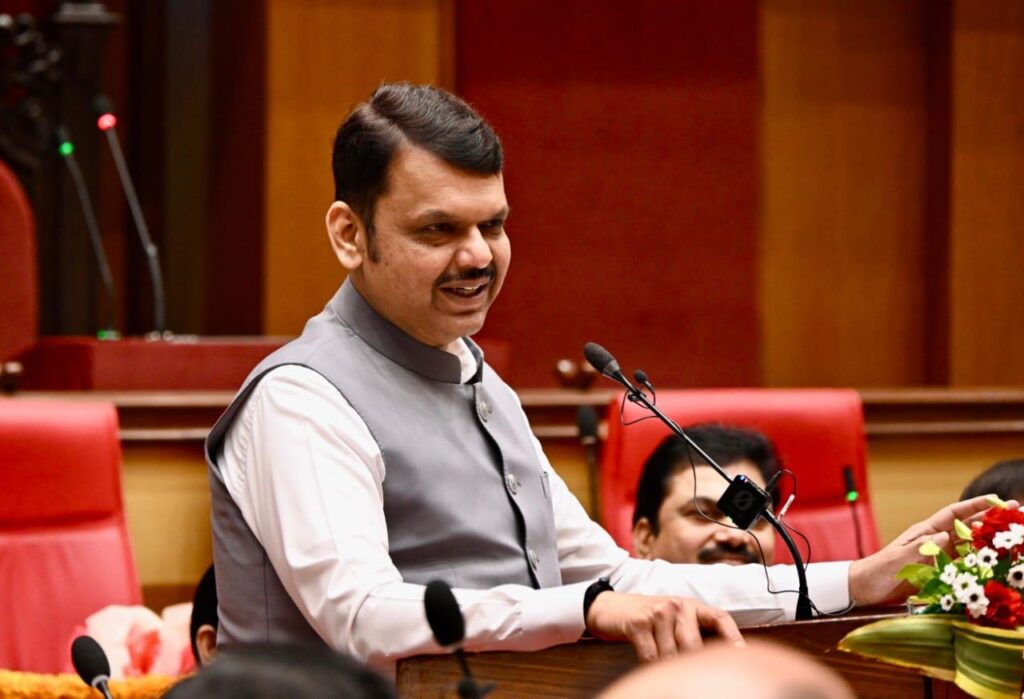
“Laws framed after deliberations reflect the public mind”
– Chief Minister Devendra Fadnavis
Chief Minister Devendra Fadnavis said that discussions held in legislative Houses during the law-making process are extremely important. Mature and effective laws emerge from such deliberations. Laws framed through discussion clearly reflect the will and aspirations of the people and are certainly beneficial for public welfare.
He added that the architect of the Constitution, Dr. Babasaheb Ambedkar, was a member of the Legislative Council. The House has produced highly intelligent and experienced members whose wisdom has greatly benefited the law-making process. A rich body of literature is now being created based on laws and policies passed by this House. Maintaining records of legislative proceedings is extremely important, as the absence of records has caused us to lose many historical references.
In Western countries, records are available, which is why we often refer to them. Although India’s democratic system is nearly two thousand years older, the lack of records limits available references. History has to be consciously compiled. Therefore, books that compile legislative speeches and enacted laws will always remain valuable historical documents, expressed Chief Minister Fadnavis.
He also praised Union Minister Nitin Gadkari for using constitutional provisions—applied for the first time since 1950—to address regional development imbalances, leading to concerted efforts at the government level to eliminate development backlog.
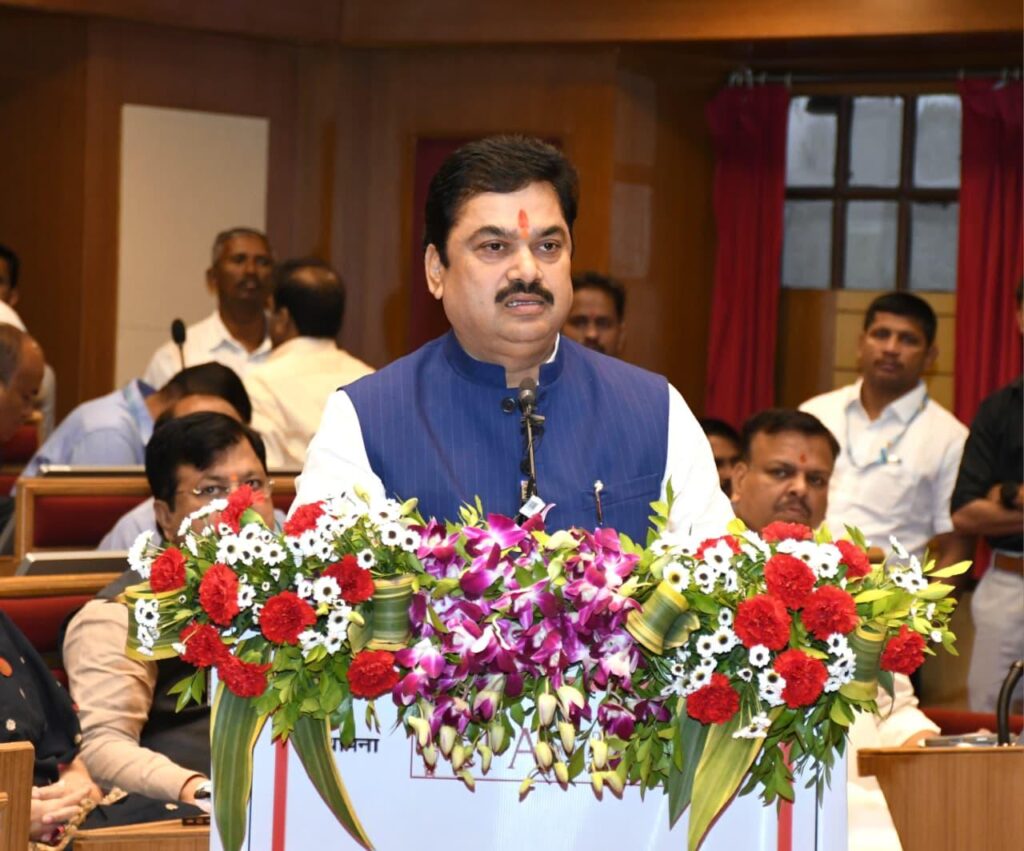
“A Towering Contribution of the House to State Development”
– Chairman of the Legislative Council, Prof. Ram Shinde
Prof. Ram Shinde emphasized that the bicameral system is extremely important in the country, as it enables effective law-making. Laws and policies formulated after deliberations on various state issues prove beneficial for development. The Legislative Council has made a towering contribution to the state’s progress.
He further stated that a bicameral legislature is essential for framing flawless laws. Discussions held by experienced members of the Upper House result in highly effective legislation. The responsibility of ensuring precision in the law-making process largely rests with the senior House, and hence, the debates held here become historically significant.
In the introductory address, Deputy Chairperson Dr. Neelam Gorhe provided information about the work of the V. S. Page Parliamentary Training Centre and the book series based on laws, resolutions, and rules of the Legislative Council. Journalists Yogesh Trivedi, Vilas Mukadam, and Kishor Apte were felicitated for their contribution to editing the publication.
The vote of thanks was delivered by Speaker of the Legislative Assembly Adv. Rahul Narwekar, while the program was compered by Public Relations Officer Nilesh Madane. Ministers, legislators, journalists, officials, and students of parliamentary studies were present at the event.