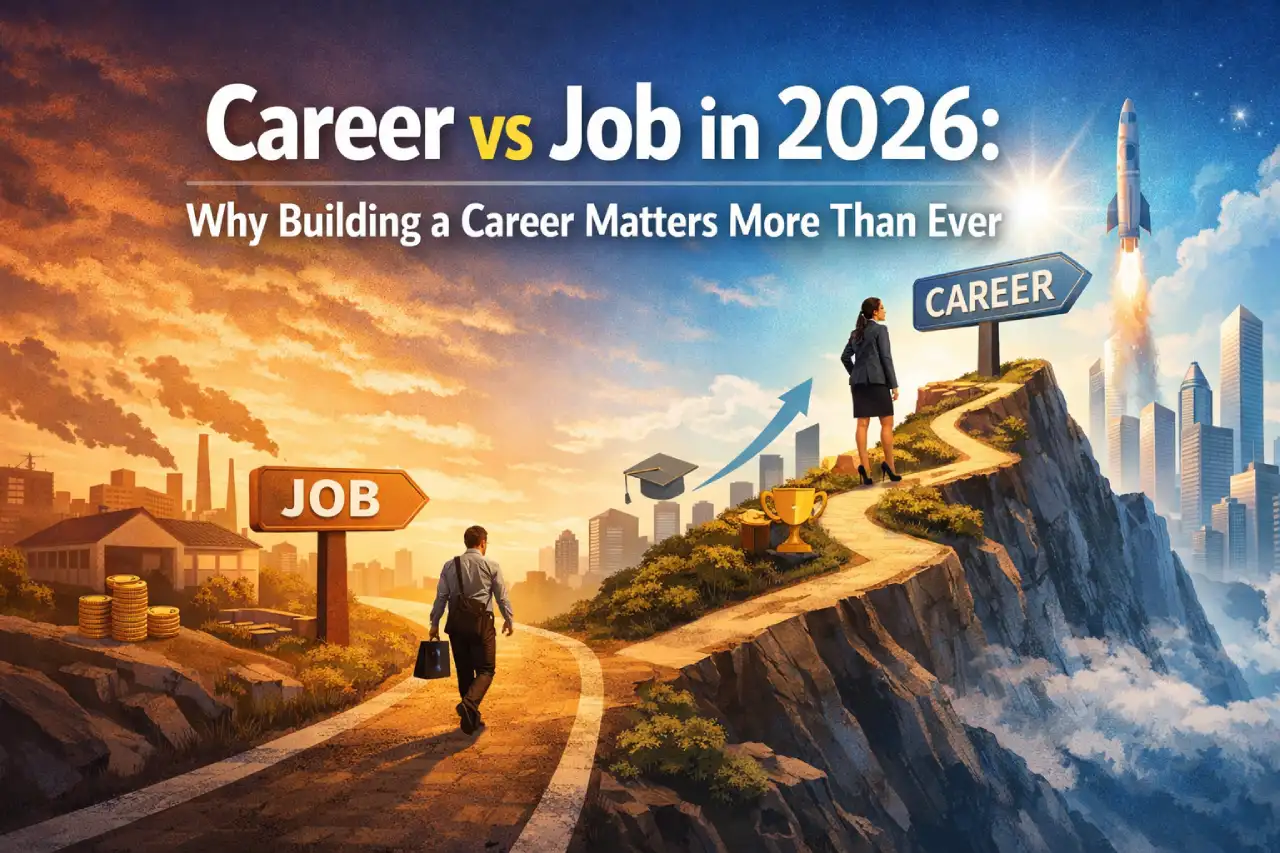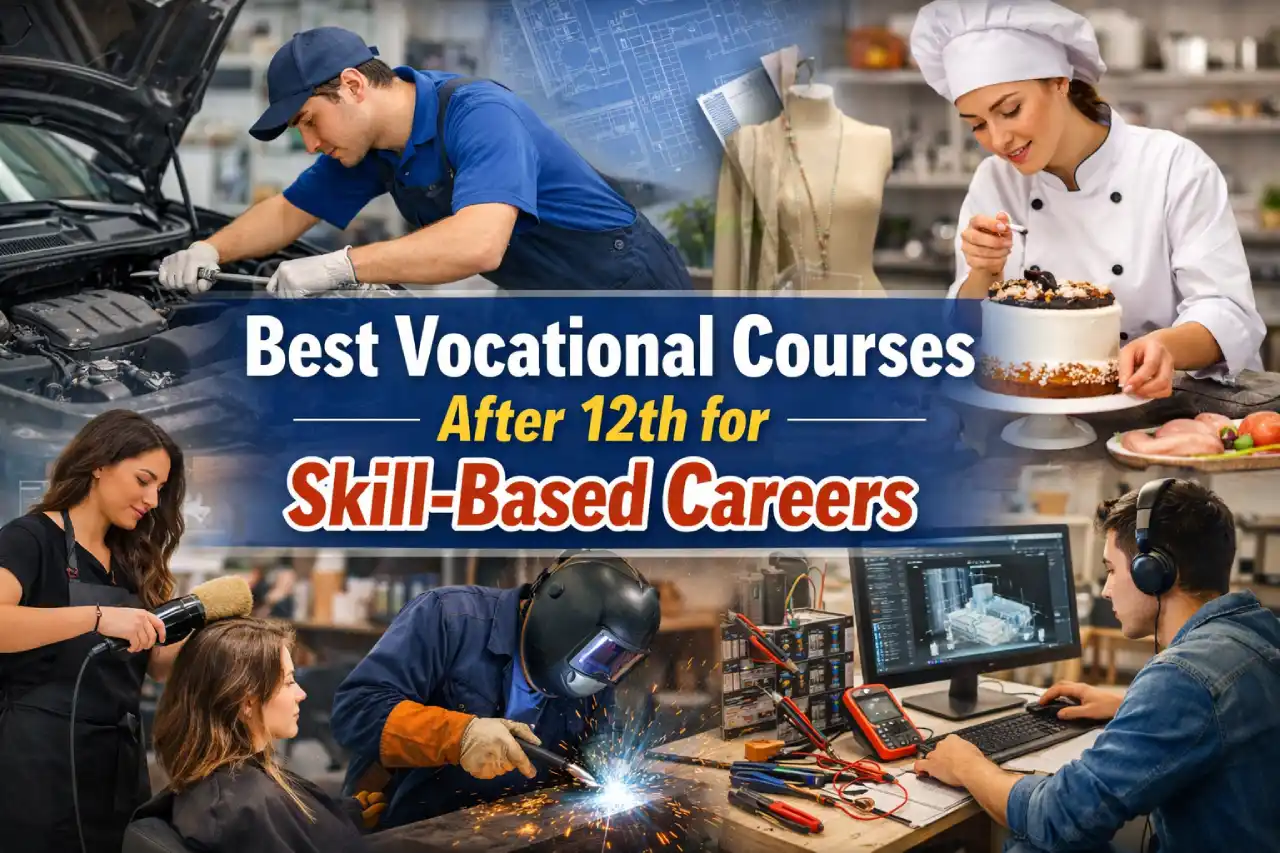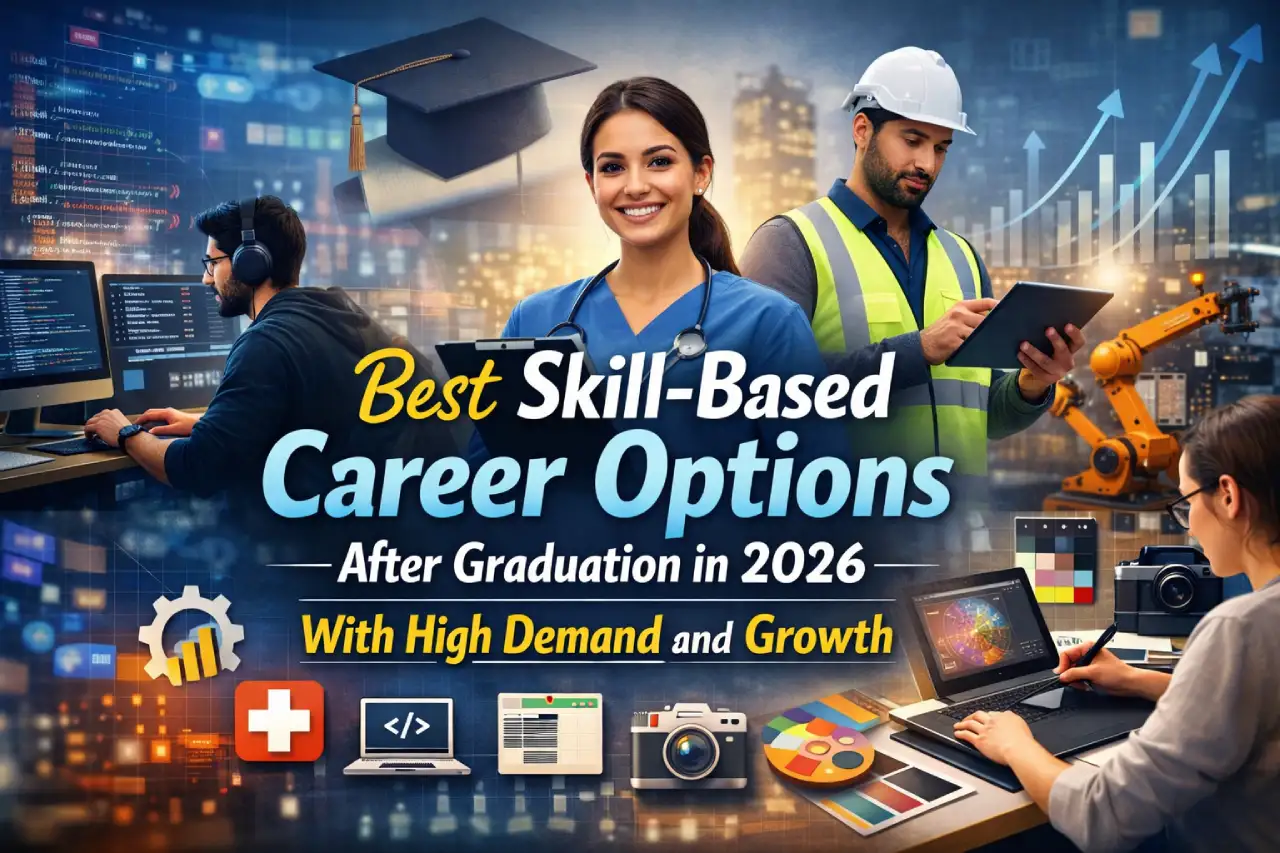
Choosing a career after graduation in 2026 is very different from what it was even a few years ago. Degrees still matter, but employers today are far more focused on practical skills, adaptability, and real-world experience. With technology evolving fast and job roles changing quickly, skill-based careers are becoming the first choice for many graduates who want faster employment and long-term growth. These careers allow students to move beyond theory and build value through hands-on expertise.
I am writing about this topic because many graduates feel stuck after completing college, unsure whether to pursue higher studies, prepare for competitive exams, or start working. Skill-based careers offer a clear and practical path forward. They allow graduates from any stream to build careers based on what they can do, not just what they studied. Understanding these options early can save time, reduce stress, and open up better opportunities.
Why Skill-Based Careers Matter More in 2026
The job market in 2026 is driven by skills, not job titles. Companies want people who can solve problems, work with tools, and learn continuously. Skill-based careers also offer flexibility, with many roles supporting freelancing, remote work, or project-based income.
Another major reason is speed. Instead of spending years in additional degrees, graduates can upskill in a few months and start earning sooner. This makes skill-based careers both practical and future-ready.
Data Analytics and Business Intelligence
Data-related roles continue to grow across industries like finance, healthcare, retail, and technology. Graduates who learn data analytics, data visualisation, and basic programming can work as data analysts or business intelligence professionals.
This career suits those who enjoy working with numbers, patterns, and insights. With experience, professionals can move into higher-paying strategic roles.
Software Development and AI-Based Roles
Software development remains one of the strongest skill-based career options in 2026. Skills in web development, app development, and artificial intelligence are in high demand.
Graduates can learn programming languages, frameworks, and problem-solving skills through bootcamps and online platforms. Even non-engineering graduates are successfully entering this field with the right training.
Digital Marketing and Growth Strategy
Digital marketing has evolved into a results-driven profession. Skills like SEO, performance marketing, content strategy, social media management, and analytics are valued across startups and large companies.
This field suits graduates who enjoy creativity combined with data-driven decision-making. It also offers strong freelance and entrepreneurship opportunities.
UI/UX Design and Product Experience
UI/UX design focuses on creating user-friendly digital products. Graduates with an interest in design, psychology, and user behaviour can build careers as UI or UX designers.
This role requires skills in design tools, user research, and testing. Good designers are in demand globally, making this a strong career option in 2026.
Cybersecurity and Cloud Computing
As digital systems expand, cybersecurity and cloud computing roles are becoming critical. Graduates trained in network security, ethical hacking, cloud platforms, and system management can find roles in both private and government sectors.
These careers offer job security, strong salaries, and long-term relevance, but they require continuous learning.
Finance, Accounting, and Business Skills
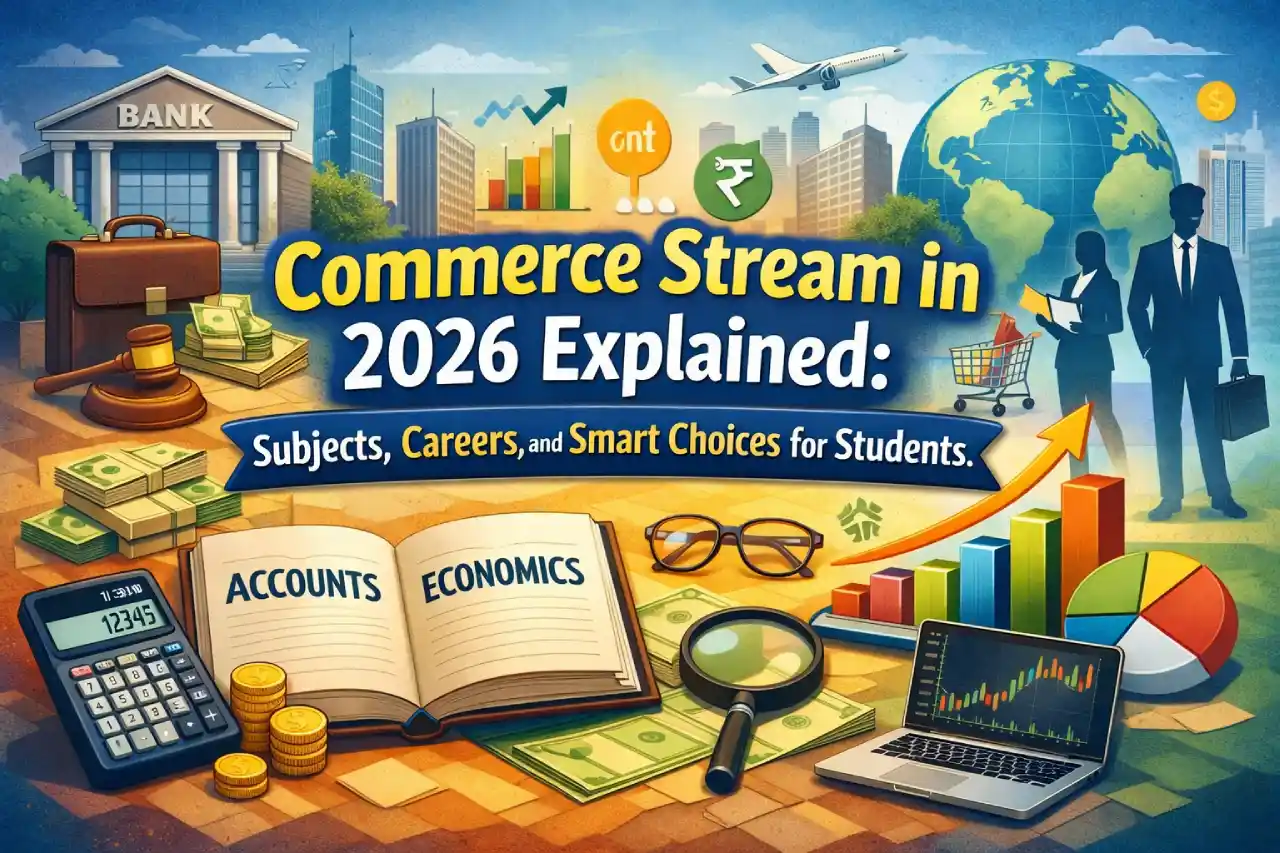
Skill-based careers are not limited to tech. Financial modelling, GST compliance, investment analysis, project management, and business operations are also in demand.
Graduates who combine domain knowledge with practical tools and certifications can build stable and respected careers in this space.
How to Choose the Right Skill-Based Career
Choosing the right path depends on personal interest, strengths, and career goals. Graduates should explore different skills through short courses, internships, or online projects before committing fully.
Following job trends, talking to professionals, and understanding future demand can help make the right decision.