JOIN WHATSAPP
STORIES

Best UI/UX Career Options for Students in 2026: High-Demand Design Roles to Watch

Best UI/UX Career Options for Students in 2026: High-Demand Design Roles to Watch

UI/UX design has moved far beyond just making apps look good. In 2026, it is one of the most in-demand career paths for students who enjoy creativity, problem-solving, and technology. With companies focusing heavily on user experience, students with UI/UX skills are finding opportunities across startups, tech firms, edtech platforms, and even government projects. The demand is especially strong for freshers who understand modern design tools and user-centred thinking.

I am writing about UI/UX design jobs because many students are confused about which roles to aim for after learning design basics. UI/UX is not a single job, it has multiple career paths depending on your strengths. Knowing the right roles early helps students choose the right skills, build better portfolios, and avoid wasting time on unclear career directions.

Why UI/UX Design Is a Smart Career Choice in 2026

Digital products are everywhere, from mobile apps and websites to smart devices and dashboards. Companies now compete on experience, not just features. This shift has made UI/UX designers essential team members rather than optional hires.

For students, UI/UX offers flexible entry points, remote job options, freelance work, and fast career growth. Unlike some technical roles, it values skills and portfolios more than degrees, which makes it attractive for college students and self-learners.

UI Designer

A UI Designer focuses on the visual side of digital products. This role involves designing layouts, colour schemes, typography, icons, and interactive elements.

Key responsibilities include:

  • Creating visually appealing screens
  • Maintaining design consistency
  • Working closely with UX designers and developers

This role suits students who enjoy visual creativity and branding.

UX Designer

UX Designers focus on how users feel while using a product. Their job is to ensure that apps and websites are easy, logical, and satisfying to use.

Typical tasks include:

  • User research and surveys
  • Wireframing and prototyping
  • Improving user journeys and flows

This role is ideal for students who enjoy psychology, problem-solving, and user behaviour analysis.

Product Designer

Product Designers handle both UI and UX responsibilities and work closely with product teams. In 2026, this is one of the most popular and high-paying design roles.

What makes this role attractive:

  • End-to-end ownership of design
  • Strong involvement in product decisions
  • High demand in startups and tech companies

Students aiming for leadership roles often choose this path.

UX Researcher

UX Researchers focus purely on understanding users through interviews, testing, and data analysis. Their insights guide design decisions.

This role is suitable for students who:

  • Enjoy research and analysis
  • Are comfortable with data and feedback
  • Prefer strategy over visuals

In 2026, research-driven design is becoming more important than ever.

Interaction Designer

Interaction Designers work on how users interact with a product, such as animations, transitions, gestures, and micro-interactions.

Key skills include:

  • Motion design basics
  • Prototyping tools
  • Understanding user behaviour

This role is perfect for students who enjoy detail-oriented design and animations.

UI/UX Internships and Trainee Roles

For students, internships and trainee roles are often the best entry point. Many companies now offer paid UI/UX internships to final-year students and fresh graduates.

These roles help students:

  • Gain real-world experience
  • Build strong portfolios
  • Learn teamwork and deadlines

Internships often convert into full-time roles if performance is good.

Skills Students Should Focus On in 2026

To prepare for UI/UX jobs, students should focus on:

  • Design tools like Figma and Adobe XD
  • Basic UX principles and accessibility
  • Portfolio building with real projects
  • Communication and presentation skills

I personally feel that students who focus on real problem-solving projects stand out more than those who only follow tutorials.
Leave a Comment

End of Article

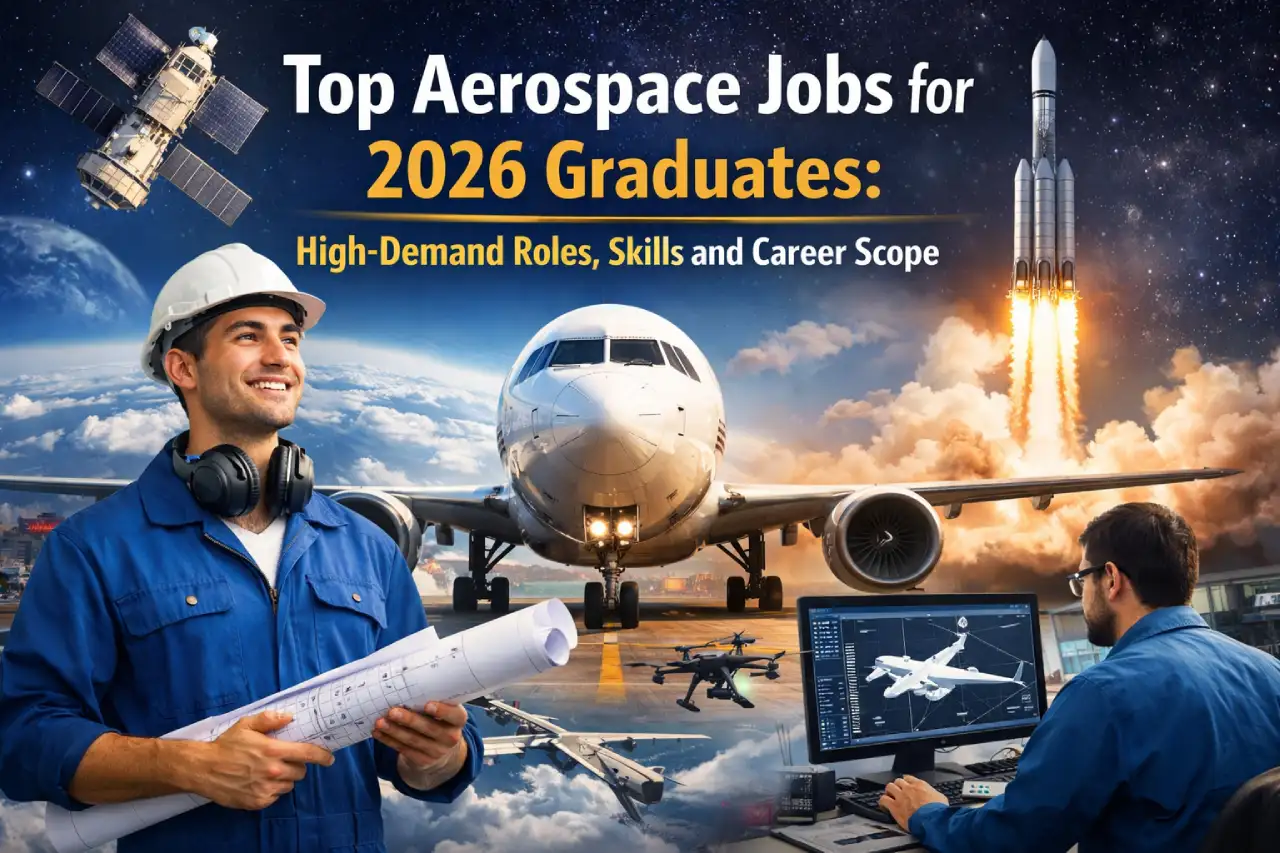
Top Aerospace Jobs for 2026 Graduates: High-Demand Roles, Skills and Career Scope

Top Aerospace Jobs for 2026 Graduates: High-Demand Roles, Skills and Career Scope

The aerospace sector is entering an exciting growth phase, and 2026 graduates are stepping into a job market filled with specialised and high-value roles. From commercial aviation to space exploration and defence manufacturing, the demand for skilled aerospace professionals is rising steadily. New technologies, increased air travel, satellite programmes, and private space missions are pushing companies to hire fresh talent with strong fundamentals and practical skills. For graduates planning ahead, aerospace can offer both stability and innovation-driven careers.

I am writing about this topic because many students still see aerospace as a limited or niche field, which is no longer true. Today, the sector needs engineers, analysts, software experts, and operations specialists in large numbers. Understanding which roles are in demand helps students choose the right electives, internships, and skill sets before they graduate. This kind of clarity can make a big difference during campus placements and early career decisions.

Why the Aerospace Sector Is Growing Fast

The aerospace industry is expanding due to multiple global and national factors. Increased investment in defence, satellite-based communication, space research, and aircraft manufacturing has created long-term job opportunities. In India and globally, governments and private players are working together to strengthen aerospace ecosystems, leading to more hiring across design, production, testing, and operations.

Aerospace Design Engineer

Aerospace design engineers remain one of the most sought-after roles. These professionals work on designing aircraft structures, engines, spacecraft components, and systems.

Key skills required include:

  • Strong understanding of aerodynamics and materials
  • CAD and simulation software knowledge
  • Problem-solving and analytical thinking

This role suits graduates who enjoy core engineering and technical depth.

Avionics and Systems Engineer

With modern aircraft becoming more software-driven, avionics engineers are in high demand. They work on navigation systems, communication equipment, flight control systems, and onboard electronics.

Why this role matters:

  • Increasing automation in aircraft and drones
  • Heavy reliance on electronic control systems
  • Growing demand in defence and commercial aviation

Graduates with electronics, electrical, or aerospace backgrounds fit well here.

Aerospace Manufacturing and Quality Engineer

Manufacturing engineers ensure that aircraft and space components are built accurately, safely, and efficiently. Quality engineers focus on compliance, testing, and safety standards.

Typical responsibilities include:

  • Overseeing production processes
  • Ensuring safety and regulatory compliance
  • Coordinating with design and testing teams

These roles are ideal for graduates interested in hands-on industrial work.

Space Systems and Satellite Engineer

With satellite launches and space missions increasing, space systems engineers are becoming critical. They work on payloads, launch systems, and satellite operations.

High-demand areas include:

  • Satellite communication systems
  • Launch vehicle support
  • Mission planning and testing

This role appeals to graduates interested in space technology and research-oriented careers.

Aerospace Software and Data Engineer

Software is now central to aerospace systems, from flight simulations to predictive maintenance. Data engineers and software developers are increasingly hired by aerospace firms.

In-demand skills include:

  • Programming and system modelling
  • Embedded systems and control software
  • Data analysis for performance and safety

This role suits graduates who combine engineering knowledge with coding skills.

Maintenance, Repair and Operations Specialist

Aircraft maintenance and operations professionals are essential to keep fleets safe and efficient. Airlines and aerospace service companies regularly recruit graduates for these roles.

Key areas of work:

  • Aircraft inspection and troubleshooting
  • Maintenance planning and documentation
  • Safety audits and compliance checks

These roles offer steady career growth and international exposure.

Skills 2026 Graduates Should Focus On

To stand out in the aerospace job market, graduates should focus on:

  • Strong fundamentals in engineering subjects
  • Practical experience through internships and projects
  • Software tools relevant to aerospace design and analysis
  • Communication and teamwork skills

From my experience, students who combine technical knowledge with real-world exposure are far more confident during interviews.

Leave a Comment

End of Article

Loading more posts...