JOIN WHATSAPP
STORIES

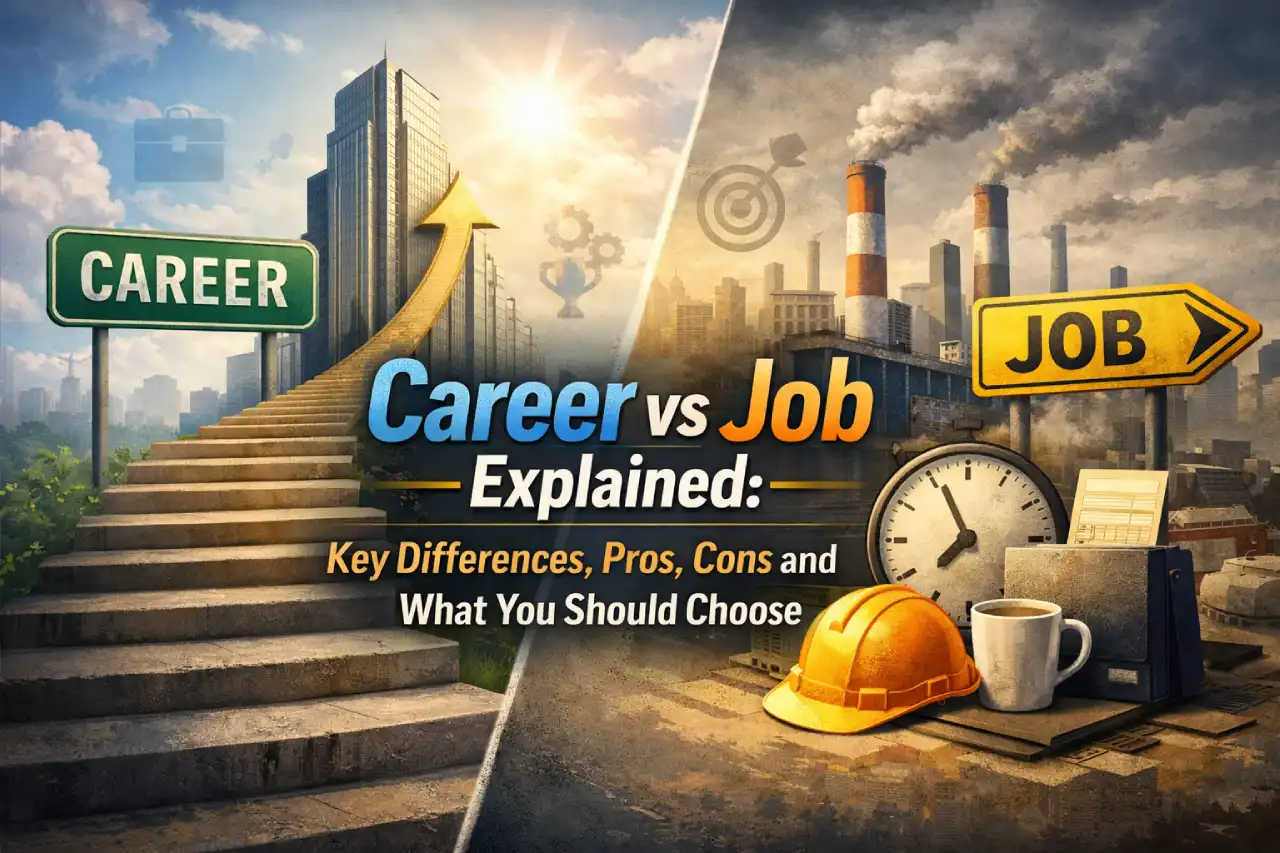
Career vs Job Explained: Key Differences, Pros, Cons and What You Should Choose

Career vs Job Explained: Key Differences, Pros, Cons and What You Should Choose

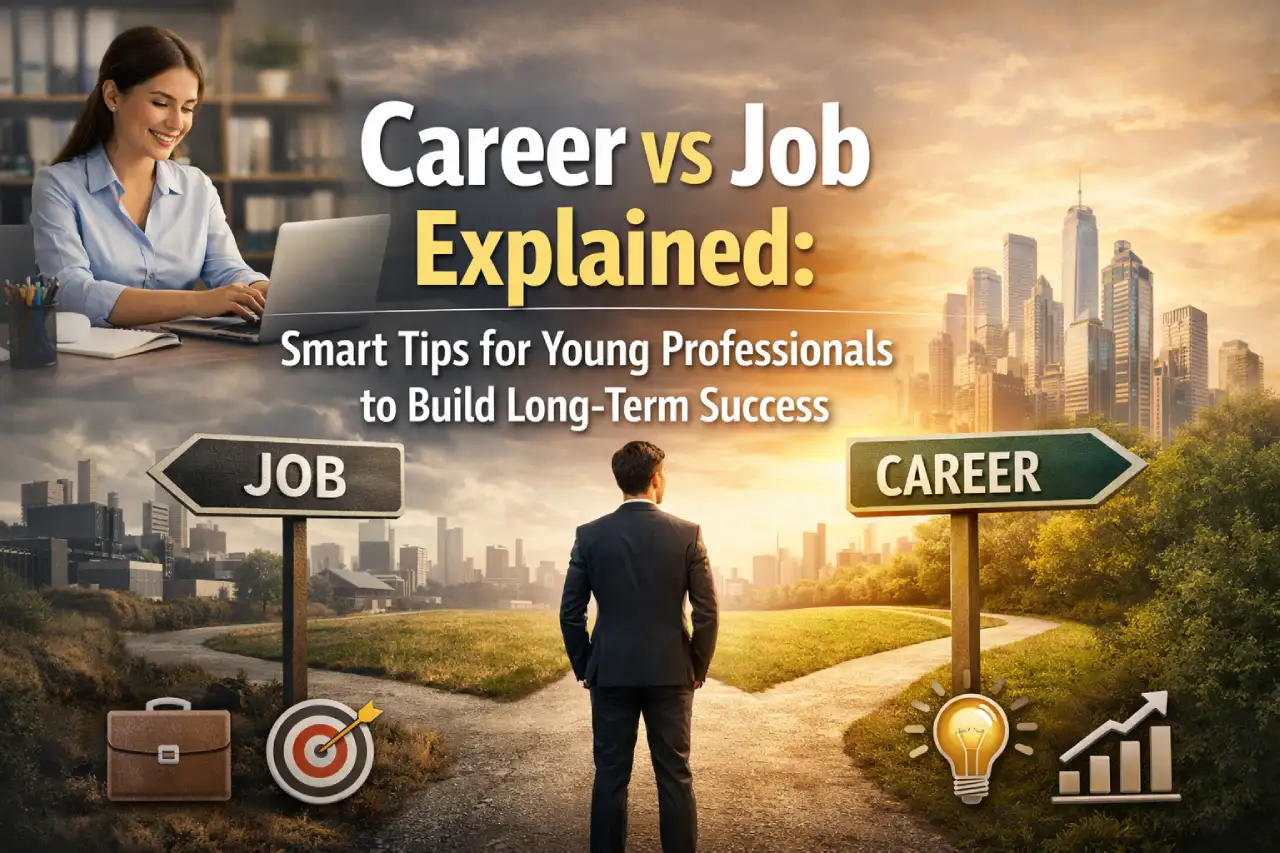
Many people use the words “job” and “career” interchangeably, but in reality, they are quite different. A job is something you do to earn money, while a career is a long-term journey built around your skills, interests and goals. Understanding this difference is very important, especially for students and young professionals who are trying to make the right decisions for their future.

I am writing about this because I have seen many people feel confused or even stressed about choosing between a job and a career. From my experience, there is no single right answer. What matters is knowing your priorities and understanding what each option offers. Once you have clarity, it becomes much easier to take the next step with confidence.

What Is a Job

A job is usually short-term and focused on earning income.

  • Done mainly to meet financial needs
  • May not match your passion or long-term goals
  • Can be changed easily
  • Requires specific tasks or responsibilities

For many people, a job is the starting point.

What Is a Career

A career is a long-term professional journey.

  • Based on your interests and skills
  • Focuses on growth and development
  • Involves continuous learning
  • Builds your identity over time

A career is more about purpose than just income.

Key Differences Between Job and Career

AspectJobCareer
DurationShort-termLong-term
FocusIncomeGrowth and passion
StabilityDepends on roleMore stable over time
SatisfactionMay be lowUsually higher

Understanding this table makes the difference very clear.

Pros of Having a Job

Jobs have their own advantages.

  • Quick way to earn money
  • Less pressure for long-term planning
  • Flexible and easy to switch
  • Good for gaining initial experience

From my perspective, jobs are helpful when you need immediate financial support.

Cons of Having a Job

There are some limitations as well.

  • Limited growth opportunities
  • May feel repetitive or boring
  • Less job satisfaction
  • No clear long-term direction

Over time, this can lead to frustration.

Pros of Building a Career

A career offers long-term benefits.

  • Higher job satisfaction
  • Better growth and promotions
  • Strong skill development
  • Clear goals and direction

This is why many people aim to build a career.

Cons of Building a Career

However, careers also come with challenges.

  • Takes time to grow
  • Requires continuous effort and learning
  • May involve risks and uncertainty
  • Can be stressful at times

From what I have seen, patience is very important here.

Can a Job Become a Career

Yes, this happens very often.

  • You start with a job
  • Gain skills and experience
  • Grow into higher roles
  • Build a long-term career

Many successful people follow this path.

Which One Should You Choose

The answer depends on your situation.

  • Choose a job if you need immediate income
  • Choose a career if you want long-term growth
  • Balance both if possible

From my view, starting with a job and slowly building a career is a practical approach.

Tips for Making the Right Decision

Here are some simple tips.

  • Understand your interests and strengths
  • Set clear short-term and long-term goals
  • Keep learning and upgrading skills
  • Do not rush decisions

Clarity comes with time and experience.

Real-Life Perspective

In real life, the line between job and career is not always clear.

  • Some jobs turn into careers
  • Some careers start from small jobs
  • Success depends on consistency and effort

It is more about your mindset than the label.
Leave a Comment

End of Article

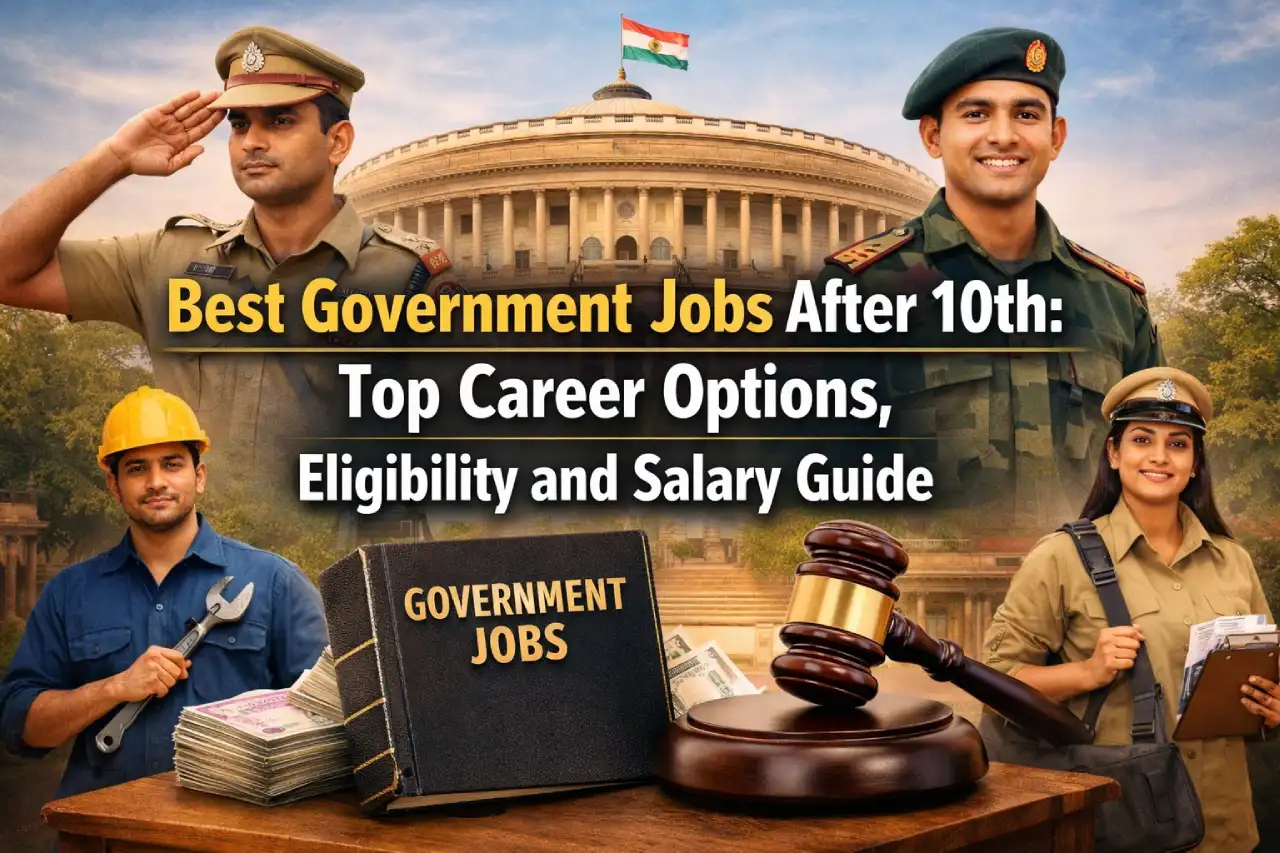
Best Government Jobs After 10th: Top Career Options, Eligibility and Salary Guide

Best Government Jobs After 10th: Top Career Options, Eligibility and Salary Guide

Many students think that government jobs are only possible after graduation, but that is not entirely true. There are several government job opportunities available even after completing Class 10. These jobs may not always be high-level positions, but they offer stability, fixed salary, and long-term benefits. For students who want to start earning early or support their family, these roles can be a practical and valuable option.

I am writing this because I have seen many students confused about what to do after 10th. Not everyone wants to continue traditional studies immediately, and that is completely okay. Government jobs after 10th can give you financial independence and experience at an early stage. At the same time, you can continue your studies alongside your job and grow step by step.

Why Consider Government Jobs After 10th

Government jobs offer several advantages.

  • Job security and stability
  • Fixed working hours
  • Regular salary with allowances
  • Pension and retirement benefits

From my perspective, these benefits make government jobs very attractive, especially at a young age.

Top Government Jobs After 10th

Here are some of the best options you can consider.

1. Indian Railways Jobs

Railways is one of the biggest employers in India.

  • Posts: Group D, Track Maintainer, Helper
  • Eligibility: Class 10 pass
  • Selection: Written exam and physical test

These jobs offer good salary and job security.

2. SSC MTS (Multi-Tasking Staff)

A popular option for 10th pass candidates.

  • Work includes basic office tasks
  • Departments: Various central government offices
  • Selection: SSC exam

It is one of the easiest entry-level government jobs.

3. India Post (Gramin Dak Sevak)

Postal jobs are widely available.

  • Role: Delivering mail and handling post office work
  • Selection: Merit-based (no exam in many cases)
  • Local job postings

This is a good option for rural and semi-urban areas.

4. Defence Jobs (Army, Navy, Air Force – Group C)

Students can join defence services in entry-level roles.

  • Posts: Tradesman, Soldier (GD), support staff
  • Selection: Physical test, medical test, written exam
  • Strong career growth opportunities

From my view, this is ideal for students interested in discipline and service.

5. State Government Jobs

Each state releases vacancies regularly.

  • Posts: Peon, Clerk Assistant, Forest Guard
  • Selection: State-level exams

These jobs allow you to work close to home.

6. Police Department Jobs

Opportunities are available in state police.

  • Posts: Constable
  • Selection: Physical test and written exam
  • Requires fitness and basic education

This is a respected and secure career path.

7. Public Sector Unit (PSU) Jobs

Some PSUs hire 10th pass candidates.

  • Posts: Helper, Technician Trainee
  • Selection: Written test or trade test

These jobs offer good salary and benefits.

Comparison of Job Options

Job TypeSelection ProcessDifficulty LevelGrowth
RailwaysExam + PhysicalMediumHigh
SSC MTSWritten ExamEasyModerate
Post OfficeMeritEasyModerate
DefencePhysical + ExamMediumHigh
PolicePhysical + ExamMediumHigh

Skills Required

Even for basic jobs, some skills are important.

  • Basic reading and writing
  • Physical fitness (for defence and police)
  • Discipline and punctuality
  • Willingness to learn

These skills help you perform better and grow.

Can You Study Along with Job

Yes, many students do this.

  • You can continue 12th through open schooling
  • Prepare for higher exams
  • Improve qualifications over time

From my experience, this is a smart approach.

Tips to Get a Government Job After 10th

To increase your chances, follow these tips.

  • Start preparing early for exams
  • Stay updated with job notifications
  • Focus on basic subjects like maths and reasoning
  • Maintain physical fitness if required

Consistency is the key.

Future Growth Opportunities

Starting early does not mean limited growth.

  • Promotions within departments
  • Opportunities to apply for higher posts later
  • Chance to build long-term career

Many officers today started from basic positions.

Leave a Comment

End of Article

Loading more posts...

Important Video