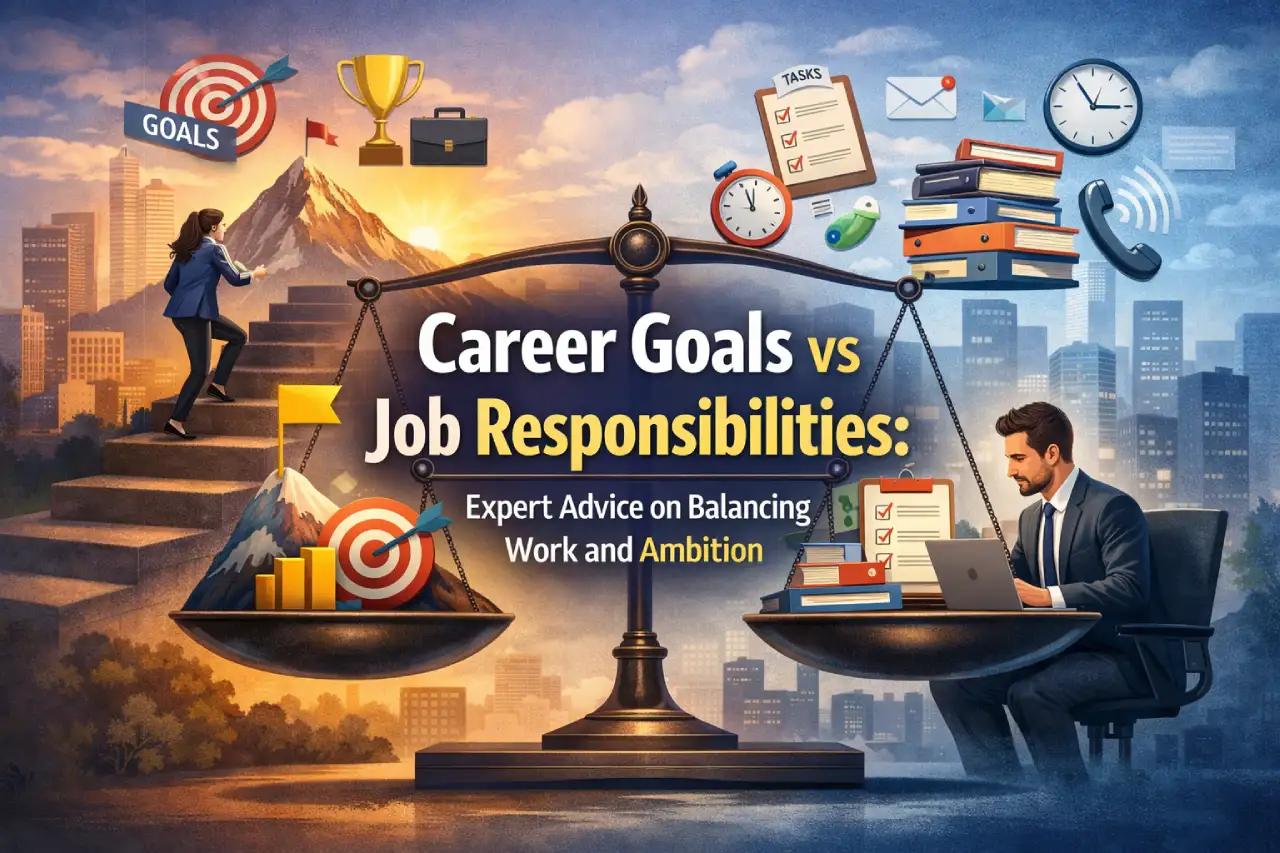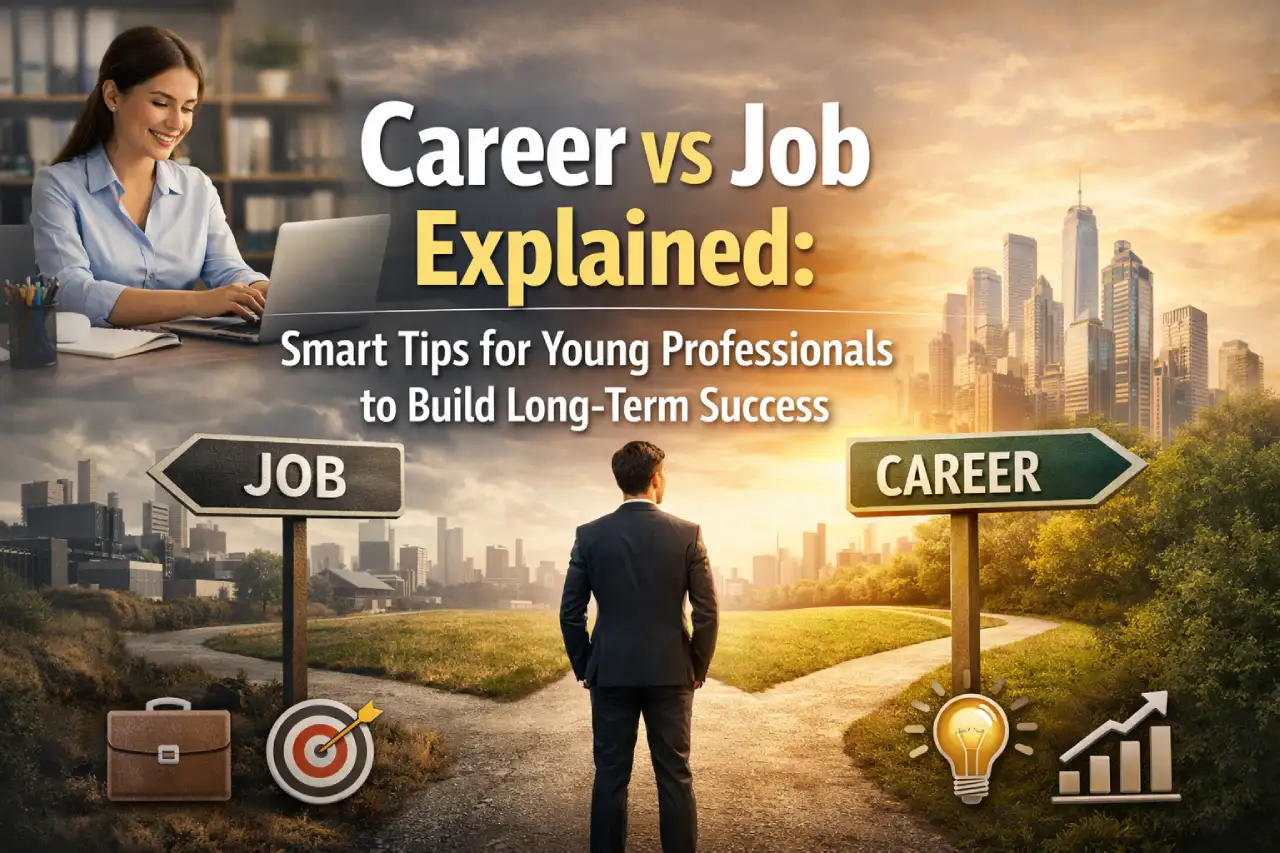
When starting out, many young professionals often confuse a job with a career. At first, both may look the same—you work, earn a salary, and gain experience. But over time, the difference becomes clear. A job is something you do to earn money in the short term, while a career is a long-term journey that helps you grow, develop skills, and achieve bigger goals. Understanding this difference early can completely change how you approach your professional life.
I am writing about this because many students and freshers feel lost after entering the working world. They take up jobs without thinking about long-term growth, which later leads to dissatisfaction. Knowing how to build a career instead of just doing a job can help you make better decisions, stay motivated, and create a more meaningful professional journey.
What is a Job?
A job is mainly focused on earning income.
- Short-term work or employment
- Fixed responsibilities
- Limited growth in some cases
- Focus on salary rather than learning
For many people, a job is the starting point of their professional life.
What is a Career?
A career is a long-term path built over time.
- Continuous learning and growth
- Development of skills and expertise
- Clear goals and progression
- Focus on purpose and satisfaction
From my perspective, a career is about building something meaningful, not just earning money.
Key Differences Between Job and Career
Here’s a simple comparison to understand better:
| Job | Career |
|---|---|
| Short-term focus | Long-term growth |
| Focus on earning | Focus on development |
| Limited learning | Continuous learning |
| Fixed role | Evolving roles |
Understanding this difference helps in making smarter decisions.
Why Young Professionals Should Think Long-Term
In the early stage, it is easy to focus only on salary.
But thinking long-term has many benefits:
- Better career growth
- Higher earning potential over time
- Job satisfaction
- Strong professional identity
A career mindset helps you stay focused and motivated.
Tips to Build a Strong Career
Here are some practical tips that I personally find useful:
1. Choose Learning Over Salary Initially
- Focus on gaining skills
- Work in environments where you can grow
- Do not chase money too early
2. Set Clear Goals
- Decide where you want to be in 5–10 years
- Break goals into smaller steps
- Track your progress regularly
3. Keep Upgrading Your Skills
- Learn new tools and technologies
- Take online courses
- Stay updated with industry trends
4. Build a Professional Network
- Connect with mentors and colleagues
- Learn from experienced professionals
- Attend events and workshops
5. Be Open to Change
- Do not fear switching roles or industries
- Explore new opportunities
- Adapt to changing job markets
Common Mistakes to Avoid
Many young professionals make similar mistakes.
Avoid these:
- Choosing comfort over growth
- Staying in one role for too long without learning
- Ignoring skill development
- Comparing yourself with others
These mistakes can slow down your career progress.
Balancing Job and Career
It is important to understand that a job is still part of your career.
- Use your job to gain experience
- Learn as much as possible
- Treat every role as a stepping stone
Every job you do should contribute to your bigger career goal.
Why This Topic Matters Today
In today’s fast-changing world, career planning is more important than ever.
- New industries are emerging
- Skills are changing rapidly
- Competition is increasing
A clear career mindset helps you stay ahead.