JOIN WHATSAPP
STORIES

CBSE Class 10 Result 2026 Expected Date: Likely Release by April Third Week

CBSE Class 10 Result 2026 Expected Date: Likely Release by April Third Week

The Central Board of Secondary Education (CBSE) is expected to release the Class 10 Result 2026 by the third week of April, according to recent updates. While the official date has not yet been confirmed, evaluation of answer sheets has already been completed, and the board is currently conducting re-verification of marks. This indicates that the result announcement is not far away and could even be released earlier than expected.

I am writing this because result time is always stressful for students, and having a clear idea about the expected timeline can help reduce confusion and anxiety. From my experience, students often keep checking websites repeatedly without knowing when the result is actually likely to come. Understanding the process and expected dates can help you stay calm and prepared.

Expected CBSE 10th Result Date 2026

Based on the latest updates and trends:

  • Expected result date: Third week of April 2026
  • Results may be released earlier due to upcoming second exams in May
  • Official confirmation is expected shortly before declaration

Students should regularly check official updates to stay informed.

Current Status of Result Preparation

CBSE has already completed major steps.

  • Evaluation of answer sheets is done
  • Re-verification of marks is ongoing
  • Final result processing is in progress

These steps ensure accuracy before releasing the results.

Where to Check CBSE 10th Result 2026

Students will be able to check their results through multiple platforms.

  • Official website: cbse.gov.in
  • DigiLocker
  • SMS services
  • IVRS (call-based result system)

This makes it easier for students to access their results quickly.

How to Check CBSE 10th Result Online

Follow these simple steps:

  • Visit the official CBSE website
  • Click on the Class 10 result link
  • Enter your roll number and required details
  • Submit and view your result
  • Download the scorecard PDF

Keep a copy saved for future use.
Leave a Comment

End of Article

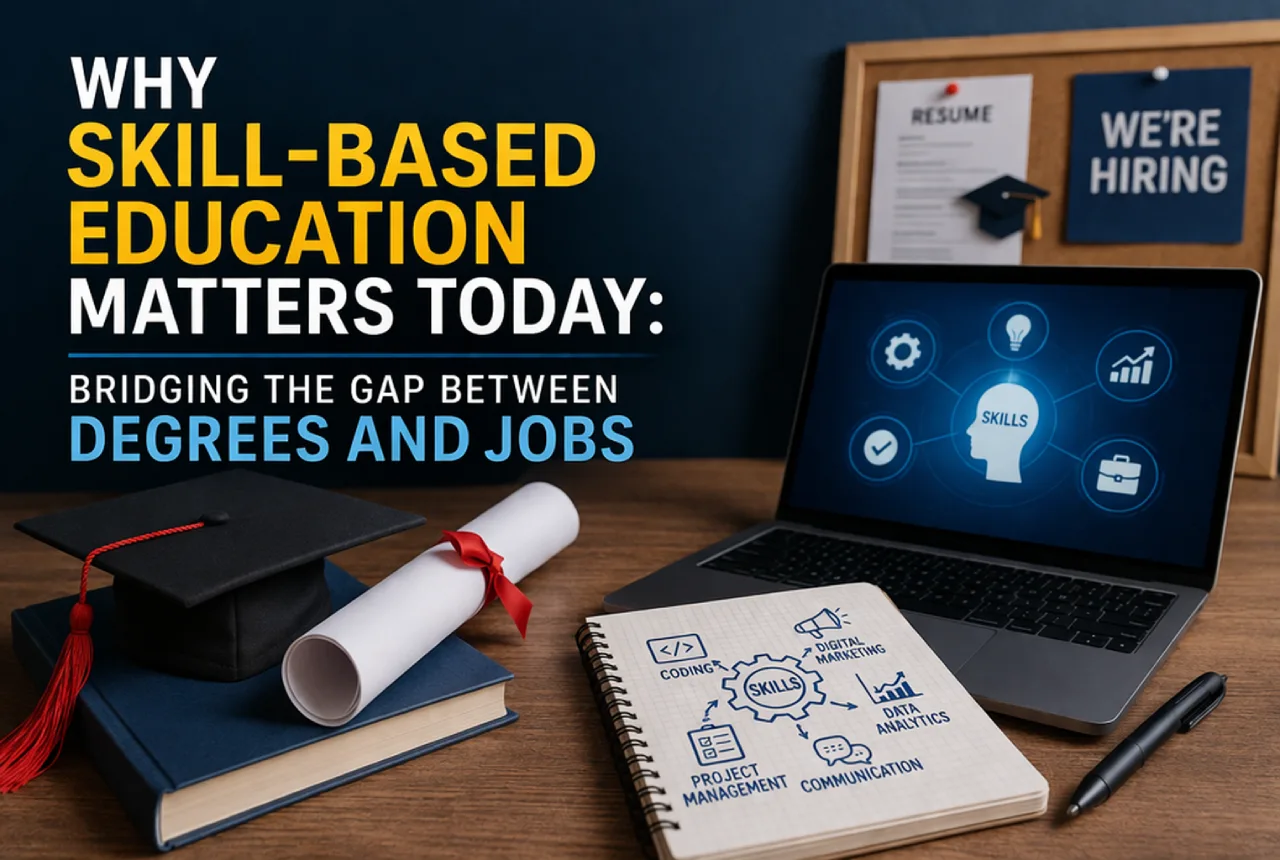
Why Skill-Based Education Matters Today: Bridging the Gap Between Degrees and Jobs

Why Skill-Based Education Matters Today: Bridging the Gap Between Degrees and Jobs

Skill-based education is becoming more important than ever, especially in a country like India where many students complete their degrees but still struggle to find jobs. The main reason is simple—there is often a gap between what students learn in classrooms and what the real world actually demands. Skill-based education focuses on practical knowledge, helping students apply what they learn and making them better prepared for real-life challenges and workplace requirements.

I am writing about this because this issue affects a large number of students today. Many of us spend years studying, yet feel unprepared when it comes to handling real tasks or job responsibilities. Understanding the importance of skill-based learning can help students make better choices and focus on developing abilities that truly matter. It is not just about getting a degree anymore, but about becoming capable and confident in real situations.

What is Skill-Based Education?

Skill-based education focuses on learning practical skills along with theoretical knowledge.

Instead of only memorising concepts, students are encouraged to:

  • Apply knowledge in real-life situations
  • Develop problem-solving abilities
  • Learn through hands-on experience
  • Build communication and teamwork skills

This approach prepares students for both jobs and everyday challenges.

Problems with the Traditional Education System

The current education system in India still relies heavily on rote learning.

Some common issues include:

  • Focus on exams rather than understanding
  • Limited practical exposure
  • Lack of real-world application
  • Students memorising instead of learning

As a result, many students score well academically but struggle in professional environments.

Why Skill-Based Education is Important

Skill-based learning plays a key role in bridging the gap between education and employment.

Here’s why it matters:

  • Improves employability
  • Builds confidence in handling real tasks
  • Helps students adapt to workplace demands
  • Encourages creativity and innovation

From my perspective, it makes education more meaningful and useful.

Key Skills Students Should Develop

To succeed in today’s world, students need more than just subject knowledge.

Important skills include:

  • Communication skills
  • Critical thinking
  • Problem-solving ability
  • Digital and technical skills
  • Teamwork and leadership

These skills are highly valued in every field.

Role of Schools and Colleges

Educational institutions play a major role in promoting skill-based learning.

They can:

  • Introduce practical projects and activities
  • Provide internships and industry exposure
  • Use modern teaching methods
  • Focus on skill development alongside academics

This will help students become more prepared for the future.

How Students Can Focus on Skill Development

Students can also take steps on their own to build skills.

  • Participate in workshops and training programmes
  • Learn new skills online
  • Take part in group activities and projects
  • Practise real-life problem-solving

Small efforts can make a big difference over time.

Benefits of Skill-Based Education

Skill-based education offers several long-term benefits.

  • Better job opportunities
  • Higher confidence levels
  • Ability to adapt to changing industries
  • Strong foundation for career growth

It helps students become independent and capable individuals.

Leave a Comment

End of Article

Loading more posts...

Important Video