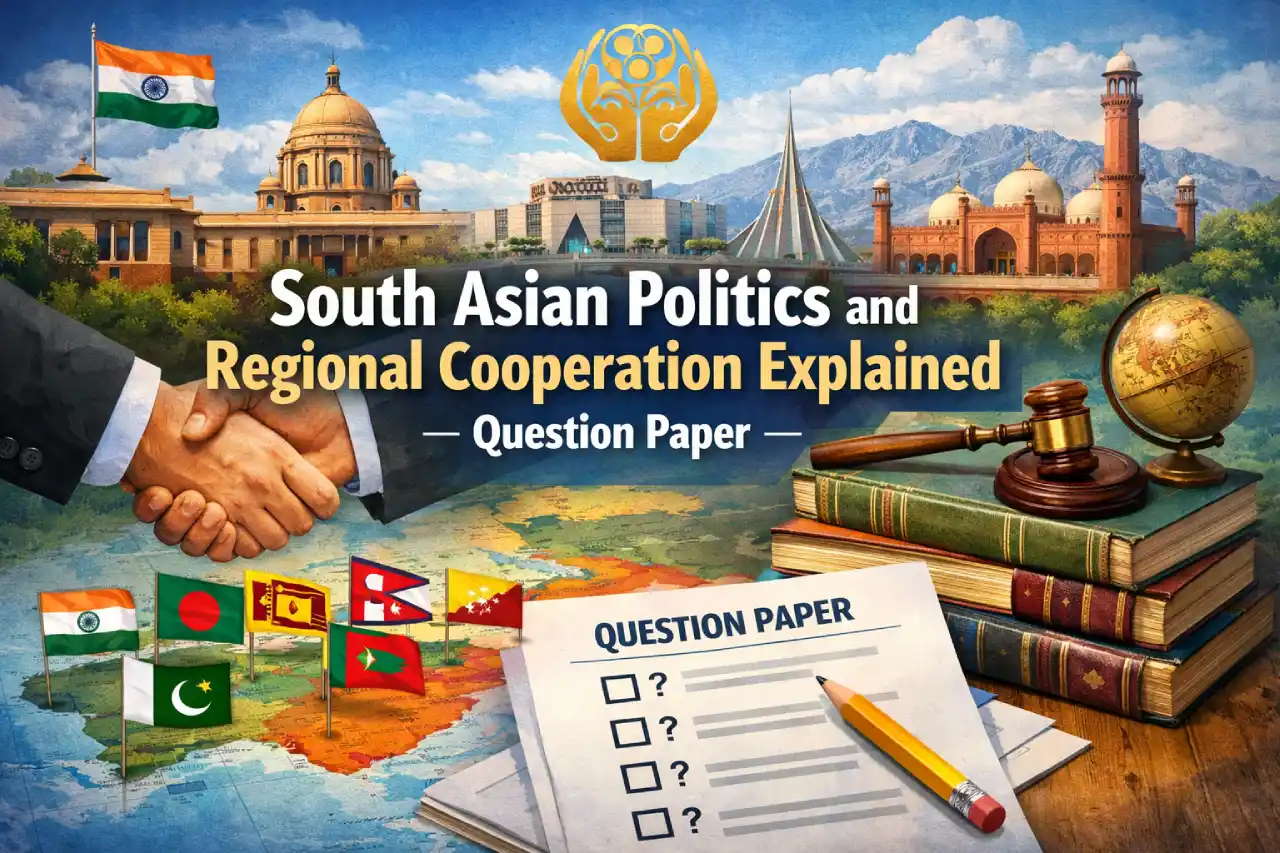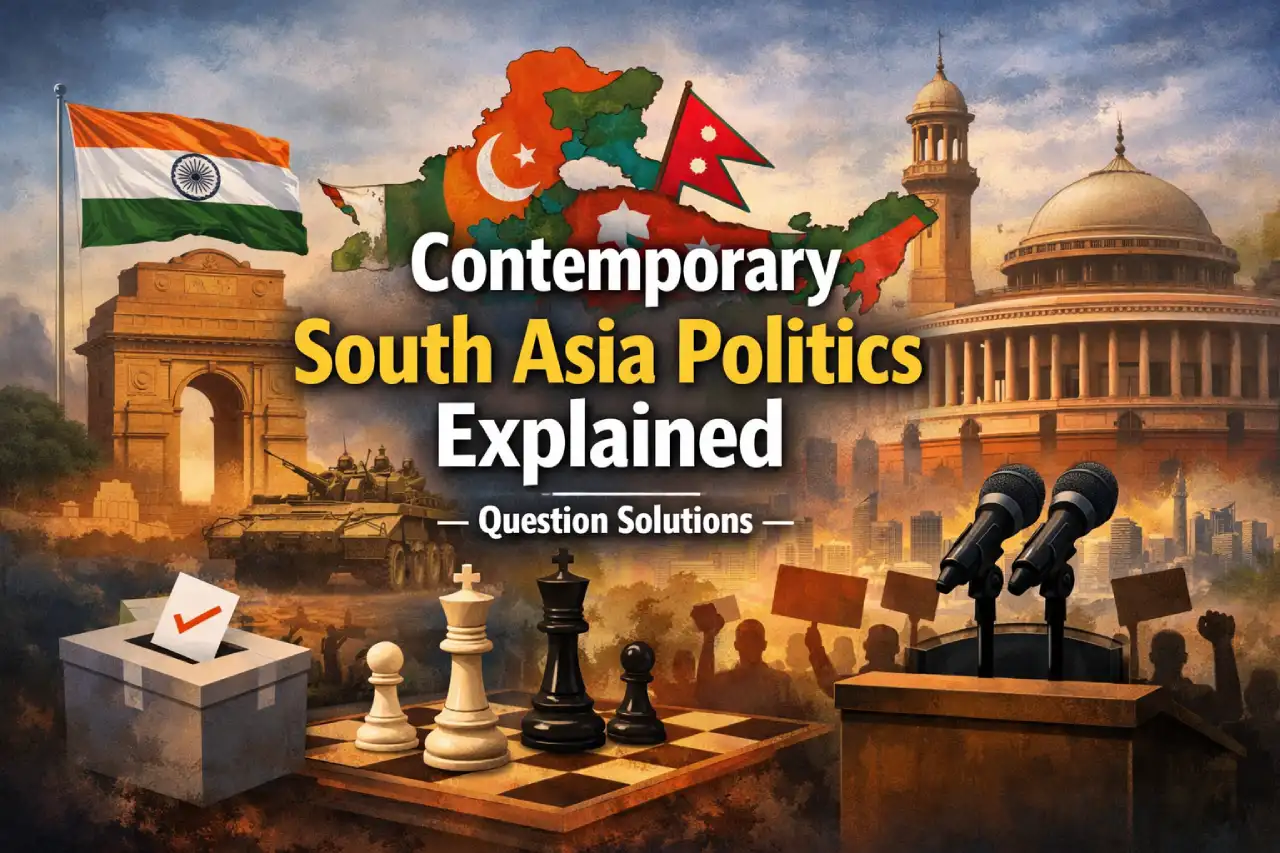
South Asia is one of the most politically active regions in the world, made up of several neighbouring countries that share history, geography and cultural ties. Nations such as India, Pakistan, Bangladesh, Nepal, Sri Lanka, Bhutan and the Maldives together form this region and influence each other’s political developments. Over time, the region has witnessed democratic movements, ethnic conflicts, military interventions and attempts at regional cooperation. Understanding these developments helps explain the political structure of South Asia and the relationships between these neighbouring countries.
I am writing about this topic because students often find the political developments of South Asia both interesting and complex. The region offers real examples of how democracy evolves, how conflicts emerge and how neighbouring countries try to cooperate despite differences. For anyone studying political science or international relations, understanding these dynamics is extremely important. In my view, learning about the politics of South Asia also helps us understand India’s role in the region and the challenges that shape regional peace and development.
Understanding the South Asian Region
South Asia refers to a geographical and political region that includes several neighbouring countries sharing common historical experiences and cultural links.
The main countries that form South Asia include:
- India
- Pakistan
- Bangladesh
- Nepal
- Sri Lanka
- Bhutan
- Maldives
These countries together form a single geo-political space, yet they display immense diversity in terms of language, culture, religion and political systems. The region is naturally surrounded by geographical boundaries such as the Himalayas in the north and the Indian Ocean in the south.
Political Systems in South Asian Countries
Although the countries of South Asia share geographical proximity, their political systems differ considerably.
Some examples include:
- India has maintained a stable parliamentary democracy since independence.
- Sri Lanka has successfully continued democratic governance for many decades.
- Pakistan has experienced frequent military interventions in politics.
- Bangladesh has faced political instability but continues to function as a democratic country.
- Nepal moved from monarchy to democracy after a long political struggle.
Despite these differences, democratic governance remains a strong aspiration among the people of South Asia.
Growth of Democracy in the Region
One striking feature of South Asian politics is the widespread support for democracy among ordinary citizens. Even in countries where democracy faced setbacks, people continued to demand representative governance.
Popular movements in Nepal, Bangladesh and the Maldives demonstrate this aspiration clearly. Citizens across the region believe that democracy is the most suitable system of governance and support institutions such as elections, political parties and representative governments.
This widespread belief in democratic governance shows that the idea of democracy has deeply influenced political culture across South Asia.
Regional Cooperation Among South Asian Countries
Recognising the need for cooperation, the countries of South Asia created a regional organisation aimed at strengthening economic and political collaboration.
The main goals of regional cooperation include:
- Promoting peace and stability among neighbouring countries
- Encouraging economic growth and trade
- Improving social and cultural cooperation
- Addressing common regional challenges
Through regular meetings and agreements, member countries attempt to develop trust and collaboration across the region.
South Asian Free Trade Cooperation
Economic cooperation is an important part of regional integration. South Asian countries have attempted to increase trade and economic collaboration by reducing tariffs and encouraging cross-border commerce.
The objectives of such economic cooperation include:
- Increasing trade among South Asian nations
- Encouraging economic development across the region
- Promoting mutual economic growth
- Reducing trade barriers among neighbouring countries
These initiatives aim to create stronger economic ties among the countries of the region.
Download this B-1 Contemporary South Asia WS 2 PDF File: Click Here
Conflicts and Challenges in South Asia
Despite cultural similarities and shared geography, South Asia has experienced several conflicts and tensions.
Some of the major political issues include:
- Political rivalry between India and Pakistan
- Ethnic conflict in Sri Lanka between Sinhala and Tamil communities
- Political instability and democratic struggles in some countries
- Border disputes and security concerns
These challenges have often slowed down efforts toward deeper regional cooperation.
India’s Role in the Region
India plays a central role in South Asian politics due to its geographical position and economic influence. The country shares borders with several neighbours and therefore has strong diplomatic and economic ties across the region.
Some examples of India’s regional relations include:
- Development cooperation and economic support to Bhutan
- Open border and economic relations with Nepal
- Increasing economic and strategic cooperation with Bangladesh
- Complex political relations with Pakistan
These relationships significantly influence regional stability and cooperation.
Common Problems Faced by South Asian Countries
Many countries in South Asia face similar social and economic challenges that affect their development.
Some common problems include:
- Poverty and economic inequality
- Human rights concerns
- Political instability in certain countries
- Gender inequality and limited opportunities for women
- Environmental challenges such as climate change
Addressing these problems requires stronger cooperation among the countries of the region.