JOIN WHATSAPP
STORIES

CTET February 2026 Sees Record Interest as CBSE Closes Registration Window

CTET February 2026 Sees Record Interest as CBSE Closes Registration Window

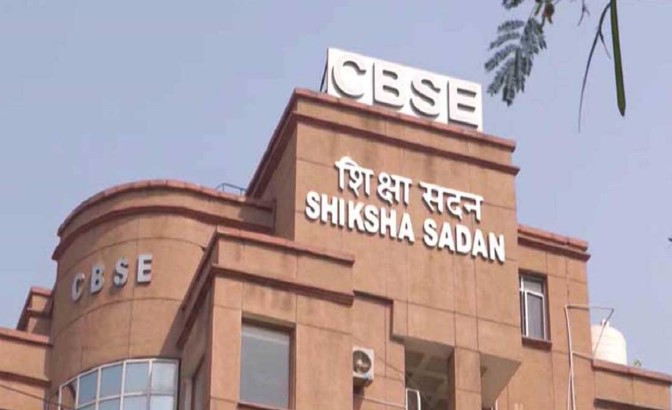
The registration process for the CBSE CTET February 2026 examination has officially come to an end, drawing an overwhelming response from teaching aspirants across the country. According to available information, more than 25.3 lakh candidates have successfully applied for the Central Teacher Eligibility Test this year. The exam, conducted by the Central Board of Secondary Education, continues to be one of the most important qualifying tests for candidates aspiring to become teachers at the primary and upper primary levels in schools.

I am writing about this development because the huge number of applications reflects both the growing demand for teaching jobs and the importance of CTET in a teacher’s career journey. For lakhs of aspirants, CTET is not just an exam but a gateway to stable employment in government and private schools. Knowing how competitive the exam has become helps candidates mentally prepare for the next stages and plan their revision strategy more seriously.

What the CTET February 2026 Numbers Indicate

With over 25.3 lakh applications, CTET February 2026 has once again highlighted the scale at which teacher recruitment exams operate in India. The numbers show strong interest from fresh graduates as well as experienced teachers looking to improve their career prospects.

This level of participation also indicates increasing awareness about eligibility norms for teaching positions.

About the CTET Examination

The Central Teacher Eligibility Test is conducted by the Central Board of Secondary Education to determine the eligibility of candidates for teaching roles in Classes 1 to 8. The exam is divided into:

  • Paper I for teaching Classes 1 to 5
  • Paper II for teaching Classes 6 to 8

Candidates can appear for either paper or both, depending on their career goals.

What Happens After Registration Closes

Now that the registration window has closed, candidates should focus on the upcoming exam-related updates. This includes:

  • Release of admit cards
  • Exam date and city information
  • Exam day instructions

Applicants are advised to regularly check the official CTET website for updates and notifications.

Why Competition Is Increasing Every Year

The steady rise in CTET applicants can be linked to several factors. Teaching remains a respected and stable profession, especially in government schools. At the same time, CTET qualification is accepted by many state governments and private schools, increasing its overall value.

This means candidates need focused preparation and strong conceptual clarity to stand out.

How Aspirants Should Prepare Now

With such a high number of applicants, smart preparation becomes crucial. Candidates should revise the syllabus thoroughly, practise mock tests, and work on time management. Understanding previous years’ question patterns can also help improve confidence and accuracy.

Consistent practice in the final weeks can make a real difference.

Leave a Comment

End of Article

Meghalaya Brings Job Security and Pay Reform for 23,000 Teachers in Major Cabinet Decision

Meghalaya Brings Job Security and Pay Reform for 23,000 Teachers in Major Cabinet Decision

In a significant decision that could reshape the state’s education system, the Meghalaya government has approved a landmark reform for adhoc and Sarva Shiksha Abhiyan teachers. The decision, cleared by the Meghalaya Cabinet on Friday, introduces structured pay scales, annual increments, and job security for over 23,000 teachers working under adhoc arrangements and the SSA framework. This move marks a major shift from years of uncertainty faced by these educators and signals a stronger commitment to strengthening school education across the state.

I am writing about this development because teacher welfare directly impacts the quality of education delivered to students. For years, adhoc and SSA teachers in Meghalaya have worked without clear career progression or financial stability. This reform addresses long-standing demands and recognises the role these teachers play in keeping the education system running, especially in rural and remote areas. It is an important step not just for teachers, but for the future of learning in the state.

What the Cabinet Approved

The Meghalaya Cabinet has approved a structured framework that brings adhoc and SSA teachers under a more formal employment system. This includes regular pay scales aligned with experience and role, along with yearly increments.

Most importantly, the reform introduces job security, offering relief to thousands of teachers who have worked for years on uncertain terms.

Who Will Benefit from the Reform

The decision will benefit more than 23,000 teachers across Meghalaya who are currently working as:

  • Adhoc teachers
  • Sarva Shiksha Abhiyan teachers

These educators form a large part of the teaching workforce in government schools, particularly in primary and upper primary sections.

Why This Reform Is Being Called Historic

This is one of the first times the state has moved towards formally addressing pay structure and security for such a large number of non-regular teachers. For many educators, this change represents dignity, stability, and recognition of their service.

It also helps bridge the gap between permanent and contractual teaching staff.

Impact on the Education System

Better pay and job security can have a direct impact on classroom outcomes. When teachers feel secure and valued, they are more likely to stay motivated and committed to their roles.

This reform is expected to:

  • Reduce teacher attrition
  • Improve classroom consistency
  • Strengthen learning outcomes for students
  • Encourage young people to consider teaching as a career

Long-Standing Demand Finally Addressed

Teacher unions and education groups have been demanding regularisation and fair pay for years. The Cabinet’s decision reflects an effort to resolve these issues through policy rather than temporary fixes.

It also sets a precedent for other states dealing with similar challenges in their education systems.

What Happens Next

Following Cabinet approval, the education department will work on implementing the revised pay structure and service conditions. Detailed guidelines and timelines are expected to be issued soon to ensure smooth execution across districts.

Teachers are hopeful that the rollout will be timely and transparent.

Leave a Comment

End of Article

Loading more posts...