JOIN WHATSAPP
STORIES

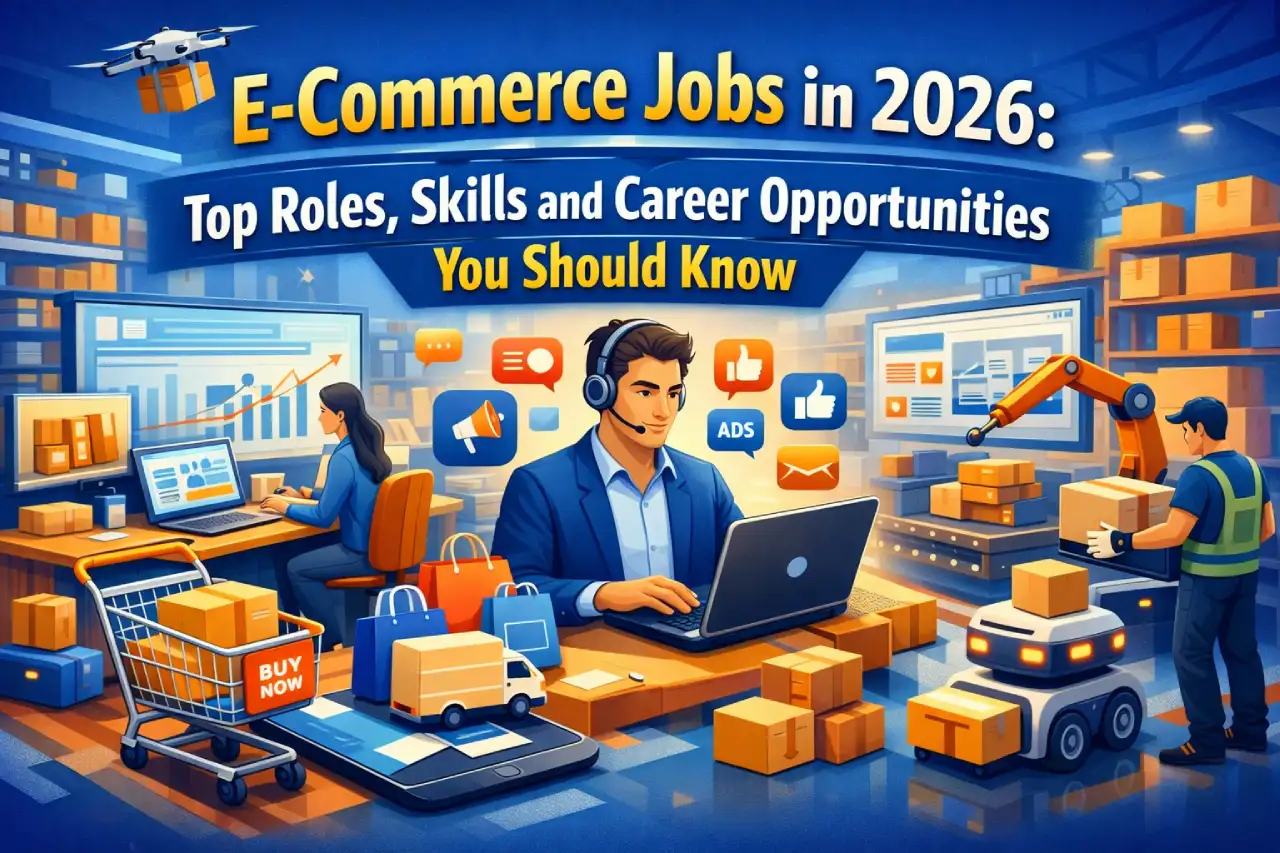
E-commerce Jobs in 2026: Top Roles, Skills and Career Opportunities You Should Know

E-commerce Jobs in 2026: Top Roles, Skills and Career Opportunities You Should Know

The job market in 2026 is expected to be heavily influenced by the rapid growth of the e-commerce sector. From online shopping platforms to digital payment systems and logistics networks, e-commerce is creating a wide range of employment opportunities across different skill levels. Whether you are a student, a fresher, or someone looking to switch careers, this sector is becoming one of the most promising areas for job growth in India and globally.

I am writing this because many people still think e-commerce jobs are limited to delivery or warehouse roles, but the reality is very different today. The sector now includes everything from tech development to marketing, data analysis, and customer experience. Understanding where the opportunities lie can help you prepare in advance and choose the right skills to stay ahead in a competitive job market.

Why E-commerce Will Dominate Jobs in 2026

The rise of online shopping has changed how businesses operate.

  • More consumers are shopping online than ever before
  • Digital payments have become faster and more secure
  • Small businesses are also moving to online platforms
  • Logistics and supply chain networks are expanding rapidly

All these factors are creating new job roles across multiple areas.

Top E-commerce Job Roles in 2026

Here are some of the most in-demand job roles you can expect:

  • E-commerce Manager: Handles overall online business operations
  • Digital Marketing Specialist: Works on SEO, ads, and social media campaigns
  • Data Analyst: Analyses customer behaviour and sales trends
  • Product Manager: Manages product listings, pricing, and strategy
  • Supply Chain Executive: Ensures smooth delivery and inventory management
  • Customer Support Executive: Handles queries and improves user experience
  • UI/UX Designer: Improves website and app usability

These roles show that e-commerce is not limited to one field.

Skills Required for E-commerce Careers

To succeed in this sector, certain skills are becoming essential:

  • Basic understanding of online platforms and marketplaces
  • Digital marketing skills like SEO and social media management
  • Data analysis and Excel knowledge
  • Communication and customer handling skills
  • Problem-solving and adaptability

Even learning a few of these skills can increase your chances of getting hired.

Growth of Logistics and Delivery Jobs

E-commerce is also creating massive opportunities in logistics.

  • Warehouse management roles are increasing
  • Delivery and last-mile services are expanding
  • Inventory and packaging jobs are in demand

This area offers opportunities even for those without advanced technical skills.

Role of Technology in E-commerce Jobs

Technology is playing a big role in shaping future jobs.

  • Use of AI for customer recommendations
  • Automation in warehouses
  • Chatbots for customer service
  • Data-driven decision making

This means tech-related roles will continue to grow faster.

Salary Expectations in 2026

Salary in e-commerce depends on skills and experience.

  • Freshers: ₹2.5 lakh to ₹5 lakh per year
  • Mid-level roles: ₹5 lakh to ₹12 lakh per year
  • Experienced professionals: ₹12 lakh+ per year

Specialised roles like data analysts and product managers may earn even higher.

How to Start a Career in E-commerce

If you want to enter this field, here are some simple steps:

  • Learn basic digital marketing or data skills
  • Take online courses or certifications
  • Start with internships or entry-level jobs
  • Build practical experience through projects
  • Keep updating your skills regularly

Starting early can give you a strong advantage.

Future Trends in E-commerce Jobs

Looking ahead, a few trends will shape job opportunities:

  • Growth of quick commerce and same-day delivery
  • Increase in mobile-based shopping
  • Expansion of rural e-commerce markets
  • Rise of AI and automation tools

These trends will continue to create new roles and demand for skilled professionals.
Leave a Comment

End of Article

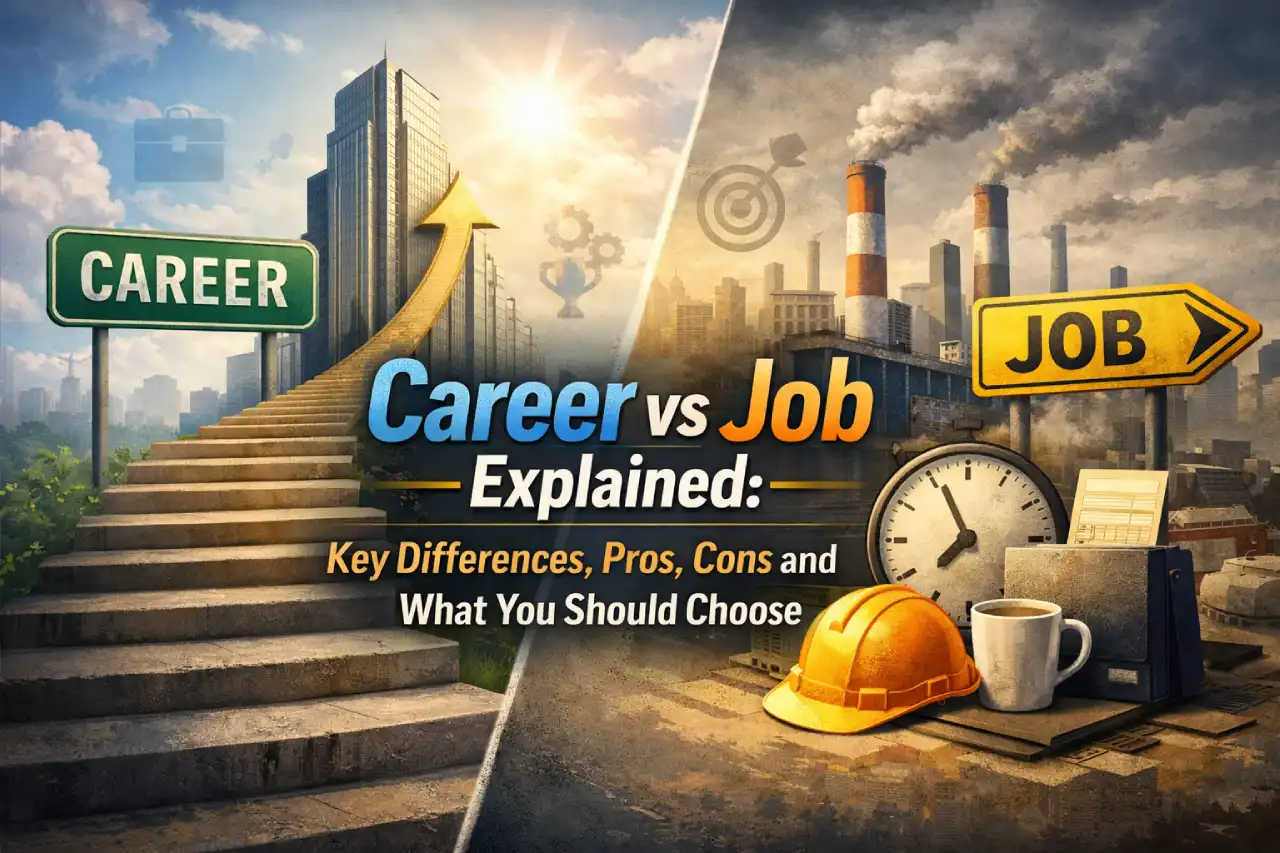
Career vs Job Explained: Key Differences, Pros, Cons and What You Should Choose

Career vs Job Explained: Key Differences, Pros, Cons and What You Should Choose

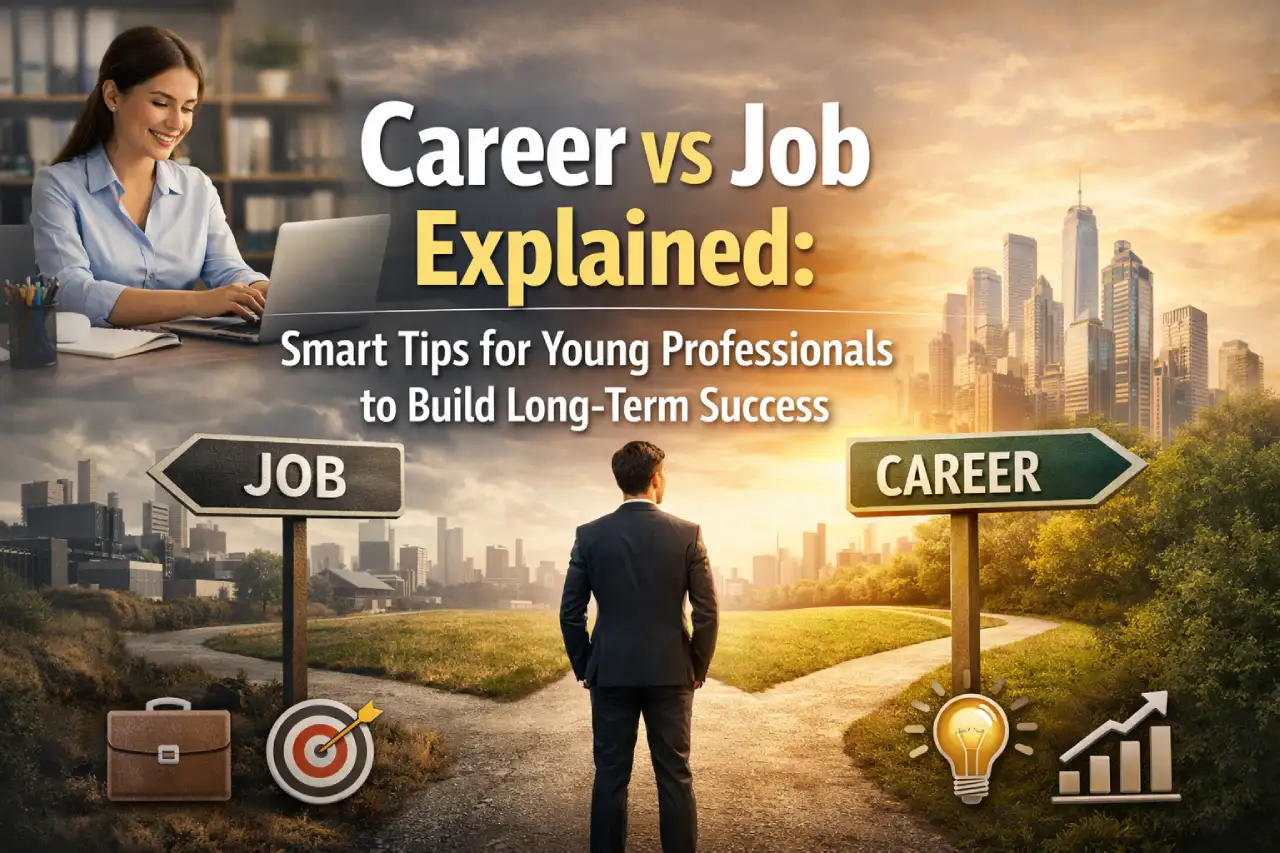
Many people use the words “job” and “career” interchangeably, but in reality, they are quite different. A job is something you do to earn money, while a career is a long-term journey built around your skills, interests and goals. Understanding this difference is very important, especially for students and young professionals who are trying to make the right decisions for their future.

I am writing about this because I have seen many people feel confused or even stressed about choosing between a job and a career. From my experience, there is no single right answer. What matters is knowing your priorities and understanding what each option offers. Once you have clarity, it becomes much easier to take the next step with confidence.

What Is a Job

A job is usually short-term and focused on earning income.

  • Done mainly to meet financial needs
  • May not match your passion or long-term goals
  • Can be changed easily
  • Requires specific tasks or responsibilities

For many people, a job is the starting point.

What Is a Career

A career is a long-term professional journey.

  • Based on your interests and skills
  • Focuses on growth and development
  • Involves continuous learning
  • Builds your identity over time

A career is more about purpose than just income.

Key Differences Between Job and Career

AspectJobCareer
DurationShort-termLong-term
FocusIncomeGrowth and passion
StabilityDepends on roleMore stable over time
SatisfactionMay be lowUsually higher

Understanding this table makes the difference very clear.

Pros of Having a Job

Jobs have their own advantages.

  • Quick way to earn money
  • Less pressure for long-term planning
  • Flexible and easy to switch
  • Good for gaining initial experience

From my perspective, jobs are helpful when you need immediate financial support.

Cons of Having a Job

There are some limitations as well.

  • Limited growth opportunities
  • May feel repetitive or boring
  • Less job satisfaction
  • No clear long-term direction

Over time, this can lead to frustration.

Pros of Building a Career

A career offers long-term benefits.

  • Higher job satisfaction
  • Better growth and promotions
  • Strong skill development
  • Clear goals and direction

This is why many people aim to build a career.

Cons of Building a Career

However, careers also come with challenges.

  • Takes time to grow
  • Requires continuous effort and learning
  • May involve risks and uncertainty
  • Can be stressful at times

From what I have seen, patience is very important here.

Can a Job Become a Career

Yes, this happens very often.

  • You start with a job
  • Gain skills and experience
  • Grow into higher roles
  • Build a long-term career

Many successful people follow this path.

Which One Should You Choose

The answer depends on your situation.

  • Choose a job if you need immediate income
  • Choose a career if you want long-term growth
  • Balance both if possible

From my view, starting with a job and slowly building a career is a practical approach.

Tips for Making the Right Decision

Here are some simple tips.

  • Understand your interests and strengths
  • Set clear short-term and long-term goals
  • Keep learning and upgrading skills
  • Do not rush decisions

Clarity comes with time and experience.

Real-Life Perspective

In real life, the line between job and career is not always clear.

  • Some jobs turn into careers
  • Some careers start from small jobs
  • Success depends on consistency and effort

It is more about your mindset than the label.

Leave a Comment

End of Article

Loading more posts...

Important Video