JOIN WHATSAPP
STORIES

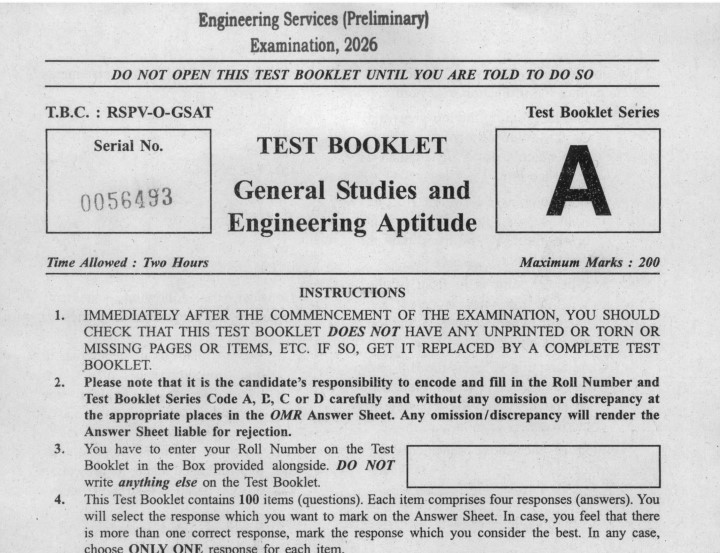
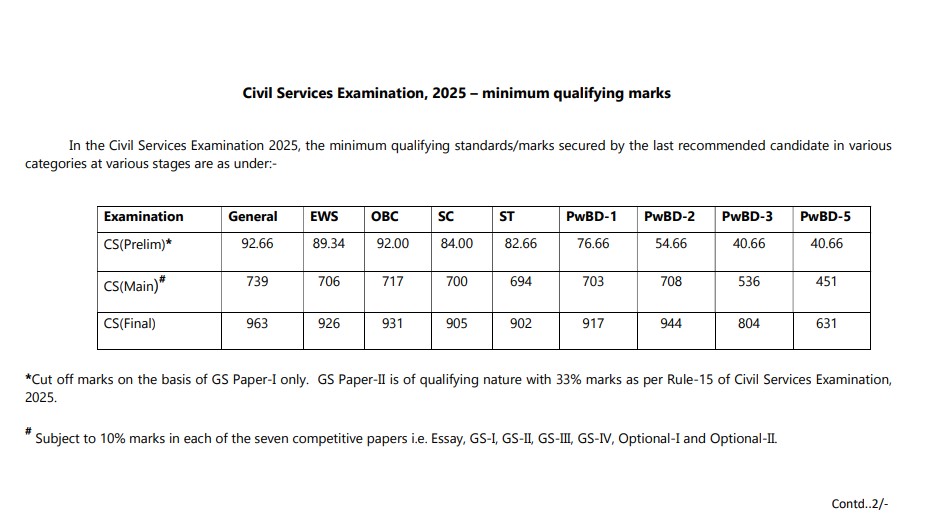
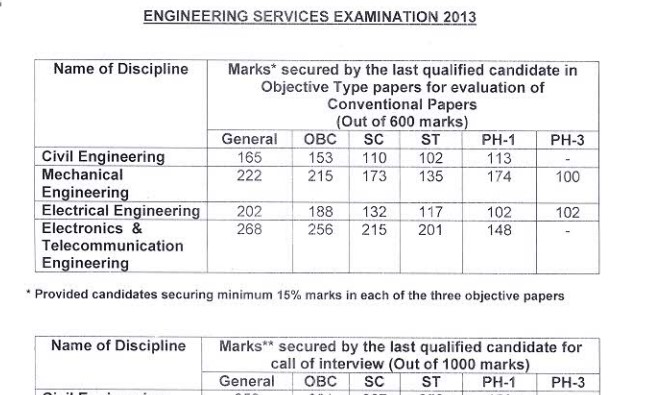
ESE 2013 Official Cut-Off Marks PDF – Check Category-Wise Cut-Offs

ESE 2013 Official Cut-Off Marks PDF – Check Category-Wise Cut-Offs

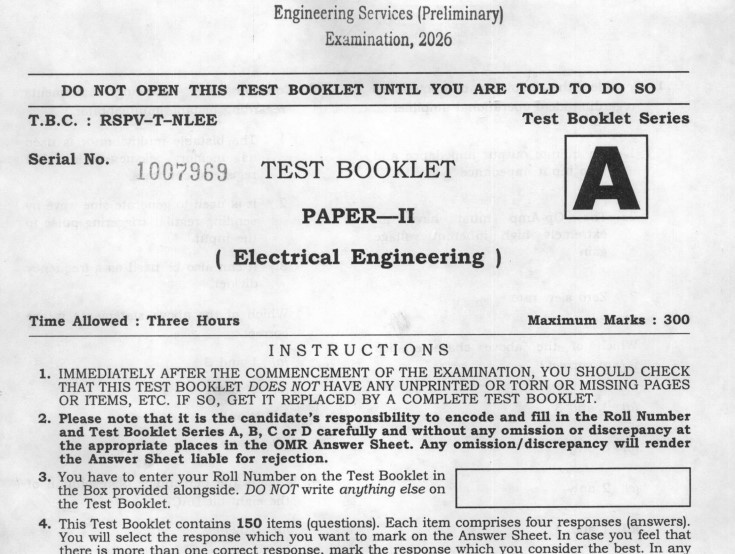
Candidates preparing for the Engineering Services Examination (ESE) often look at previous years’ cut-off marks to understand the competition level and plan their preparation accordingly. The official cut-off marks for the Engineering Services Examination 2013 are an important reference point for aspirants who want to analyse trends and set realistic score targets for future exams.

I am writing about this because many engineering graduates start their preparation by studying past cut-offs before even opening a textbook. Knowing how much candidates needed to score in earlier years gives clarity about the difficulty level of the exam and the performance required to reach different stages of selection.

About Engineering Services Examination (ESE)

The Engineering Services Examination is conducted every year by the Union Public Service Commission to recruit engineers for various technical services under the Government of India.

Key stages of ESE include:

  • Preliminary Examination
  • Main Examination
  • Personality Test / Interview

Only candidates who clear the cut-off at each stage are allowed to move to the next phase.

Why ESE 2013 Cut-Off Marks Are Important

Even though the exam pattern has evolved over time, ESE 2013 cut-off marks still offer valuable insights.

They help aspirants to:

  • Understand past competition levels
  • Compare category-wise qualifying standards
  • Estimate safe score ranges
  • Track long-term cut-off trends

For serious aspirants, such data becomes a strong planning tool.

What the ESE 2013 Cut-Off PDF Contains

The official cut-off PDF generally includes:

  • Category-wise cut-off marks (General, OBC, SC, ST, etc.)
  • Stage-wise cut-offs (Prelims, Mains, Final selection)
  • Discipline-wise details (Civil, Mechanical, Electrical, Electronics & Telecommunication Engineering)

These details help candidates analyse their own preparation level in comparison with past benchmarks.

How to Download Engineering Services Examination 2013 Cut-Off PDF

Candidates can download the official cut-off marks PDF from the UPSC website.

Here is the step-by-step process:

Save the PDF for future reference.

Leave a Comment

End of Article

Class 11 Sanskrit Shashwati Chapter 7 PDF: विज्ञाननौका

Class 11 Sanskrit Shashwati Chapter 7 PDF

NCERT Class 11 Sanskrit Shashwati Chapter 7, titled “विज्ञाननौका”, presents an interesting and meaningful lesson that connects science with human progress. The chapter uses the idea of a “boat of knowledge” to explain how science helps people move forward in life. It highlights how scientific thinking, learning, and innovation can guide society towards development and better understanding of the world.

I am writing about this chapter because many students search for the official NCERT PDF along with a clear explanation of the topic before exams. Sanskrit chapters often express modern ideas in traditional language, and “विज्ञाननौका” is a great example of this. It shows how knowledge and science act as tools for progress and problem-solving. For Class 11 students, this chapter is important not only for exam preparation but also for understanding how education and science shape our everyday life. Reading the lesson carefully and referring to the official NCERT textbook makes the topic much easier to grasp.

About the Chapter: विज्ञाननौका

The title “विज्ञाननौका” means “the boat of science.” The chapter symbolically compares science to a boat that helps people cross challenges and move towards success.

It explains how knowledge and scientific thinking help in solving problems and improving life.

Main Ideas Covered in the Lesson

1. Role of Science in Development

The chapter highlights how science contributes to progress in various fields like health, communication, and technology.

2. Importance of Knowledge

Knowledge is shown as a powerful tool that helps individuals grow and succeed.

3. Problem-Solving Ability

Scientific thinking helps people find solutions to real-life problems.

Why This Chapter Is Important for Students

  • Improves Sanskrit reading and comprehension
  • Introduces modern concepts through Sanskrit language
  • Strengthens vocabulary and grammar skills
  • Frequently asked in exams through explanation questions

Understanding the chapter helps students write clear and logical answers.

Study Tips for Chapter 7

  • Read the lesson carefully and understand the central idea
  • Note down difficult words and revise them regularly
  • Practise translating the passage into English
  • Write a short summary for revision

Regular practice will make the chapter easy to understand.

How to Download NCERT Class 11 Sanskrit Shashwati Chapter 7 PDF

Students can download the official chapter PDF from the National Council of Educational Research and Training website by following these steps:

Always download from the official NCERT website to ensure accuracy.

Leave a Comment

End of Article

Loading more posts...

Related Post