JOIN WHATSAPP
STORIES

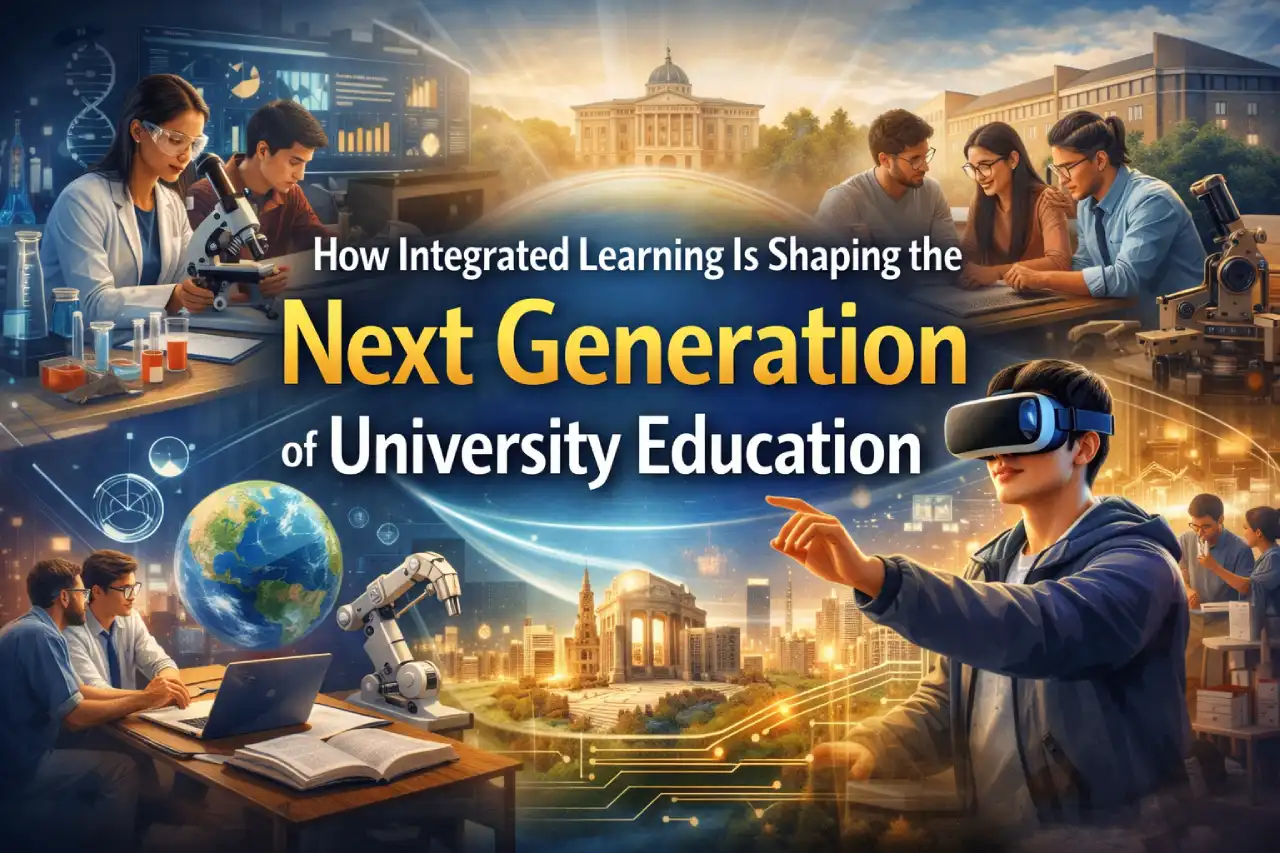
How Integrated Learning Is Shaping the Next Generation of University Education

How Integrated Learning Is Shaping the Next Generation of University Education

Education is changing faster than ever before. Today’s problems do not fit neatly into one subject or discipline, and that reality is forcing universities to rethink how they teach students. The future of education is integrated because students now need to connect ideas across fields, not study them in isolation. Interdisciplinary learning encourages curiosity, critical thinking, and the ability to solve complex real-world problems. Programmes that blend humanities, sciences, and research are becoming more relevant as careers grow increasingly fluid and unpredictable.

I am writing about this shift because many students and parents still believe education must follow strict subject boundaries. In reality, employers and society value people who can think broadly, adapt quickly, and see connections others miss. Integrated education helps students ask better questions and develop a sense of purpose in their learning. Understanding why this model matters can help students make more informed choices about their undergraduate education and future careers.

What Does Integrated Education Really Mean

Integrated education brings together multiple disciplines instead of treating them as separate silos. A student might study literature alongside data analysis, philosophy alongside science, or economics alongside environmental studies. The goal is not to dilute knowledge but to deepen understanding by showing how different fields inform each other.

This approach reflects how problems exist in the real world, where social, technical, and ethical factors overlap.

Why Traditional Single-Discipline Learning Is Falling Short

Traditional education often trains students to become specialists too early. While subject expertise is important, it can limit perspective if not balanced with broader thinking. Many graduates struggle to apply what they learn because they are not trained to connect ideas or work across domains.

Integrated learning addresses this gap by encouraging flexibility, collaboration, and creative problem-solving.

The Role of Research-Based Undergraduate Programmes

Research-led undergraduate programmes play a key role in integrated education. They teach students not just what to think, but how to think. Through research projects, students learn to frame questions, analyse evidence, and communicate ideas clearly.

An example of this approach is the BA (Research) programme at Shiv Nadar University, which is designed to help students think across disciplines and develop intellectual independence from an early stage.

How Integrated Learning Prepares Students for the Future

Careers today rarely follow a straight line. People change roles, industries, and even professions multiple times. Integrated education prepares students for this reality by building transferable skills such as:

  • Critical and analytical thinking
  • Clear communication
  • Ethical reasoning
  • Adaptability and lifelong learning

These skills remain valuable regardless of how job markets evolve.

Purpose, Not Just Placement

Integrated education also encourages students to think about purpose, not just placement. By engaging with social issues, ethics, and research, students gain a stronger sense of responsibility and direction. Education becomes more than a path to a job; it becomes preparation for thoughtful participation in society.

This sense of purpose is increasingly important in a complex and uncertain world.

Leave a Comment

End of Article

Income Tax Department Mumbai Invites Young Law and Commerce Graduates for Litigation Support Roles

Income Tax Department Mumbai Invites Young Law and Commerce Graduates for Litigation Support Roles

The Income Tax Department, Mumbai, has opened applications for young professionals to join its Young Professional Scheme and assist with litigation-related work. The engagement will be managed through the Office of the Principal Chief Commissioner of Income Tax at Aayakar Bhawan, Maharshi Karve Road, Mumbai.

The initiative is aimed at building a skilled pool of Law and Accountancy graduates who can support departmental officers in handling cases admitted before various Tribunals. Selected candidates will also be involved in legal analysis, financial research, and case preparation, offering them valuable exposure to real-world taxation and litigation processes.

I am writing about this opportunity because it opens a valuable door for young graduates who want real-world exposure in tax litigation and government legal processes. Many law and commerce graduates look for meaningful roles where they can apply their academic knowledge while gaining hands-on experience. This engagement not only strengthens professional skills but also offers insight into how major tax cases are researched, structured, and argued within the government system.

About the Young Professional Scheme

The Young Professional Scheme is designed to engage bright and motivated graduates who have strong domain knowledge in Law or Accountancy. These young professionals will work closely with officers of the Income Tax Department and contribute to litigation preparation and research.

The scheme focuses on knowledge-based support rather than routine clerical work, making it a learning-rich opportunity.

Nature of Work and Responsibilities

Selected Young Professionals will assist departmental officers in multiple areas related to litigation and research. Their responsibilities are expected to include:

  • Assisting in preparation of cases admitted for hearing in Tribunals
  • Conducting legal and financial research
  • Studying case laws, judgments, and statutory provisions
  • Supporting officers in drafting and documentation work

This role offers direct exposure to high-level tax litigation matters.

Who Can Apply

The opportunity is primarily meant for:

  • Young graduates in Law
  • Young graduates in Accountancy or related commerce fields

Applicants are expected to have sound subject knowledge, good analytical skills, and the ability to understand complex legal and financial matters. Prior exposure to taxation or legal research may be an added advantage.

Why This Opportunity Matters

For young professionals, working with the Income Tax Department offers a unique chance to understand government litigation from the inside. It helps build strong fundamentals in tax law, case analysis, and legal research, which are valuable for long-term careers in law, accounting, policy, or corporate taxation.

The experience can significantly strengthen a candidate’s professional profile.

Location and Work Environment

The engagement will be based at the Office of the Principal Chief Commissioner of Income Tax in Mumbai. Young Professionals will work in a structured government setup and interact with experienced officers handling important litigation matters.

This environment provides both discipline and learning exposure.

Leave a Comment

End of Article

Loading more posts...