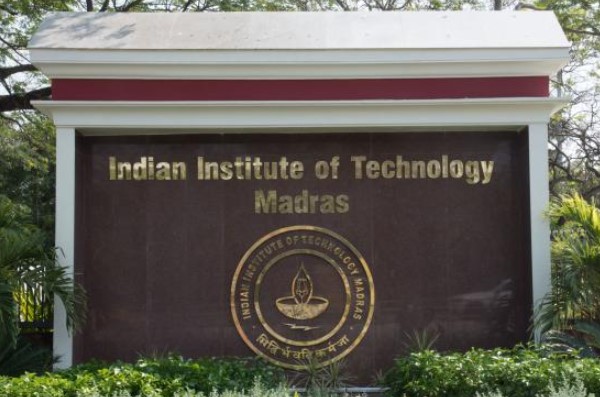
The Indian Institute of Technology (IIT) Madras has introduced three new M.Tech programmes along with an MA in Public Policy, opening fresh opportunities for students aiming to build careers in emerging fields. These courses have been designed keeping in mind the rapidly changing demands of technology, industry, and governance. With a strong focus on practical learning and advanced skills, the institute aims to prepare students not just academically but also for real-world challenges in today’s competitive environment.
I am writing about this because many students today are confused about which courses actually lead to strong career opportunities. Traditional degrees alone are often not enough, and specialised, skill-based programmes are becoming more important. These new courses from IIT Madras reflect that shift. They are designed to match industry needs, and understanding them can help students make better decisions about their higher education and future careers.
What Are the New Courses Introduced?
IIT Madras has launched four new postgraduate programmes:
- Three M.Tech courses in emerging technology fields
- One MA programme in Public Policy
These programmes aim to combine theoretical knowledge with hands-on experience, making students industry-ready.
Details of the Three New M.Tech Courses
The three M.Tech programmes focus on future-oriented technologies that are expected to grow rapidly in the coming years.
1. M.Tech in Semiconductor Materials Technology
This course has been introduced in line with India’s growing semiconductor industry.
Key focus areas include:
- Chip design and fabrication
- Material science
- Semiconductor manufacturing processes
Students completing this course can explore careers in both industry and research sectors.
2. M.Tech in Computational Engineering
This programme focuses on solving complex engineering problems using modern technologies.
Topics covered include:
- Machine learning
- Simulation and modelling
- Data analysis
- High-performance computing
It is especially useful for students interested in mechanical systems and advanced engineering solutions.
3. M.Tech in Robotics
Robotics is one of the fastest-growing fields globally, and this course is designed to meet that demand.
Students will learn:
- Robot design and development
- Control systems
- Automation technologies
- Practical lab-based applications
This course offers strong career opportunities in industries like manufacturing, AI, and automation.
MA in Public Policy Programme
Apart from technical courses, IIT Madras has also introduced an MA in Public Policy.
This programme will help students understand how policies are created and implemented in real life.
Key areas covered:
- Education and healthcare policies
- Environmental and energy issues
- Policy analysis and research
- Decision-making processes
Career opportunities after this course include roles in:
- Government organisations
- Think tanks
- NGOs
- Private sector policy roles
Admission Process for M.Tech Courses
Admissions to the three M.Tech programmes will be based on:
- GATE 2026 score
- Followed by an interview process
This ensures that candidates with strong academic backgrounds and aptitude are selected.
Why These Courses Matter Today
From my perspective, these courses come at the right time when industries are rapidly evolving.
Here’s why they are important:
- Focus on real-world skills and applications
- Alignment with industry demands
- Better career opportunities in emerging fields
- Strong emphasis on practical learning
In today’s job market, specialised knowledge and hands-on experience are just as important as a degree.
Vision Behind the Initiative
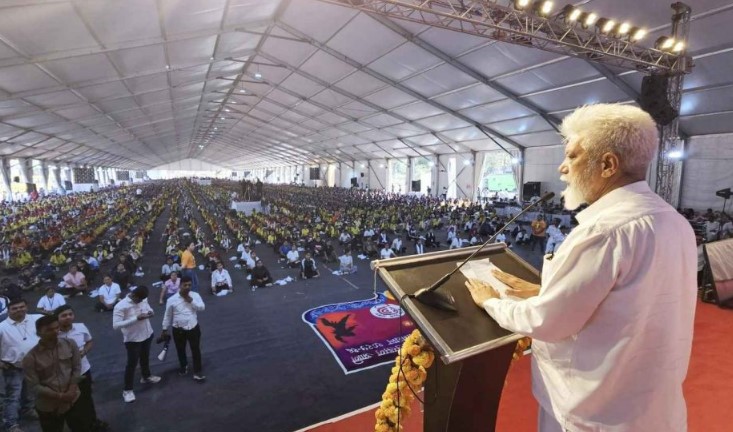
According to IIT Madras Director Professor V. Kamakoti, these programmes have been designed keeping future industry needs in mind.
The aim is to:
- Provide career-oriented education
- Prepare students for technological advancements
- Build a skilled workforce for the country
This reflects a shift towards more practical and industry-focused education.
Career Opportunities After These Courses
Students completing these programmes can explore roles in:
- Technology and engineering firms
- Semiconductor and electronics industries
- Robotics and automation companies
- Research and development organisations
- Government and policy institutions
These fields are expected to grow significantly in the coming years.