JOIN WHATSAPP
STORIES

Maharashtra Cracks Down on Misleading School Names to Protect Parents and Students

Maharashtra Cracks Down on Misleading School Names to Protect Parents and Students

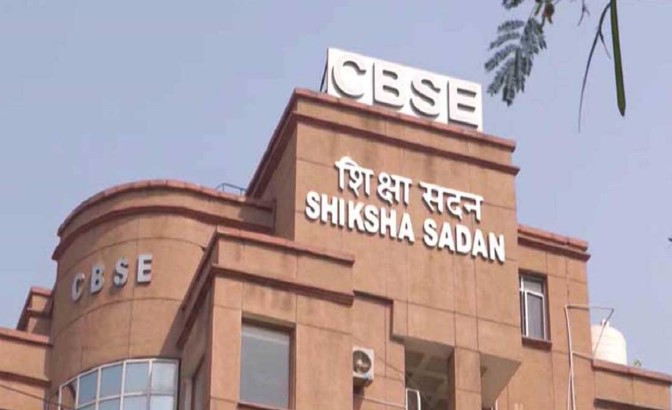
Schools across Maharashtra have been instructed to avoid using terms such as “international”, “global”, “CBSE”, or “English Medium” in their names unless they are officially authorised to do so. The directive, issued by the state education department, is aimed at stopping institutions from misrepresenting their status or affiliations through misleading branding.

According to the order, only schools with valid recognition or formal affiliation to the respective boards or systems are permitted to use such labels. Institutions that do not meet these criteria will now be required to remove these terms from their names, ensuring greater transparency for parents and students while choosing schools.

I am writing about this decision because school names strongly influence how parents choose institutions for their children. Many families assume that words like “international” or “CBSE” automatically mean better infrastructure or curriculum, which is not always true. This move by the government brings much-needed clarity and transparency to the education system and helps parents make decisions based on facts rather than marketing language.

What the New Directive Says

As per the directive issued by the Maharashtra government through its education department, schools can use specific terms in their names only if they have official approval or affiliation. This includes recognition from national or international education boards and proper documentation to support the claim.

The rule applies to all schools across the state, regardless of whether they are private, aided, or unaided institutions.

Terms That Are Now Restricted

Schools cannot use the following words in their names unless they are officially authorised:

  • International
  • Global
  • CBSE
  • ICSE
  • English Medium

Using these terms without approval is considered misleading and against education norms.

Why the Government Took This Step

Education officials have observed that many schools adopt impressive-sounding names to attract admissions, even when they do not meet the standards associated with those terms. This often leads to confusion, unrealistic expectations, and dissatisfaction among parents later.

The directive is meant to ensure honesty in school branding and fairness across the education sector.

What Schools Are Expected to Do

Schools that currently use restricted terms without valid affiliation will be asked to:

  • Review their official name
  • Remove or change misleading words
  • Update records, signboards, and documents
  • Comply within the deadline set by authorities

Failure to comply may lead to further action by the education department.

How This Helps Parents and Students

For parents, this move makes it easier to understand what a school actually offers. It reduces the risk of choosing a school based on assumptions created by its name. Students also benefit when institutions are transparent about their curriculum and standards from the beginning.

Clear naming helps build trust in the education system.
Leave a Comment

End of Article

Income Tax Department Mumbai Invites Young Law and Commerce Graduates for Litigation Support Roles

Income Tax Department Mumbai Invites Young Law and Commerce Graduates for Litigation Support Roles

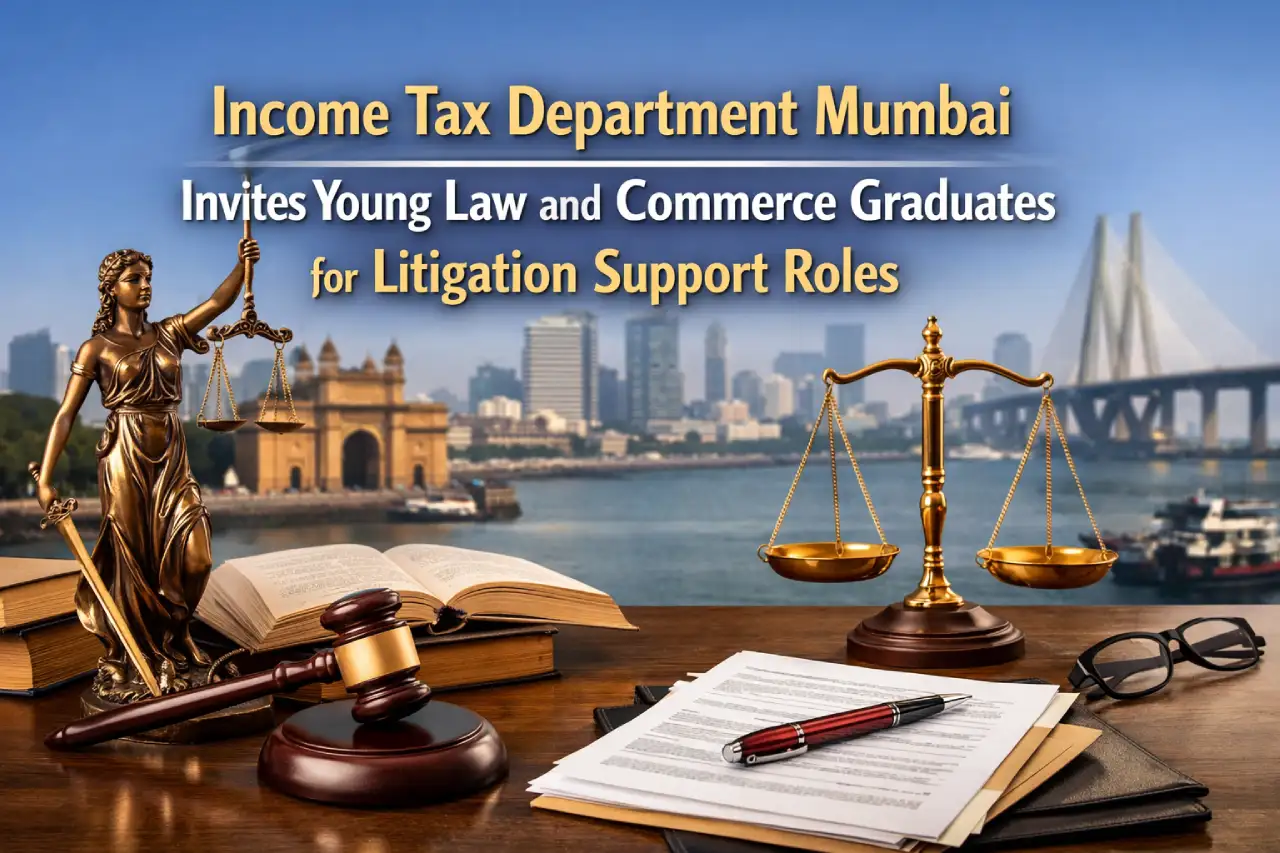
The Income Tax Department, Mumbai, has opened applications for young professionals to join its Young Professional Scheme and assist with litigation-related work. The engagement will be managed through the Office of the Principal Chief Commissioner of Income Tax at Aayakar Bhawan, Maharshi Karve Road, Mumbai.

The initiative is aimed at building a skilled pool of Law and Accountancy graduates who can support departmental officers in handling cases admitted before various Tribunals. Selected candidates will also be involved in legal analysis, financial research, and case preparation, offering them valuable exposure to real-world taxation and litigation processes.

I am writing about this opportunity because it opens a valuable door for young graduates who want real-world exposure in tax litigation and government legal processes. Many law and commerce graduates look for meaningful roles where they can apply their academic knowledge while gaining hands-on experience. This engagement not only strengthens professional skills but also offers insight into how major tax cases are researched, structured, and argued within the government system.

About the Young Professional Scheme

The Young Professional Scheme is designed to engage bright and motivated graduates who have strong domain knowledge in Law or Accountancy. These young professionals will work closely with officers of the Income Tax Department and contribute to litigation preparation and research.

The scheme focuses on knowledge-based support rather than routine clerical work, making it a learning-rich opportunity.

Nature of Work and Responsibilities

Selected Young Professionals will assist departmental officers in multiple areas related to litigation and research. Their responsibilities are expected to include:

  • Assisting in preparation of cases admitted for hearing in Tribunals
  • Conducting legal and financial research
  • Studying case laws, judgments, and statutory provisions
  • Supporting officers in drafting and documentation work

This role offers direct exposure to high-level tax litigation matters.

Who Can Apply

The opportunity is primarily meant for:

  • Young graduates in Law
  • Young graduates in Accountancy or related commerce fields

Applicants are expected to have sound subject knowledge, good analytical skills, and the ability to understand complex legal and financial matters. Prior exposure to taxation or legal research may be an added advantage.

Why This Opportunity Matters

For young professionals, working with the Income Tax Department offers a unique chance to understand government litigation from the inside. It helps build strong fundamentals in tax law, case analysis, and legal research, which are valuable for long-term careers in law, accounting, policy, or corporate taxation.

The experience can significantly strengthen a candidate’s professional profile.

Location and Work Environment

The engagement will be based at the Office of the Principal Chief Commissioner of Income Tax in Mumbai. Young Professionals will work in a structured government setup and interact with experienced officers handling important litigation matters.

This environment provides both discipline and learning exposure.

Leave a Comment

End of Article

Loading more posts...