JOIN WHATSAPP
STORIES

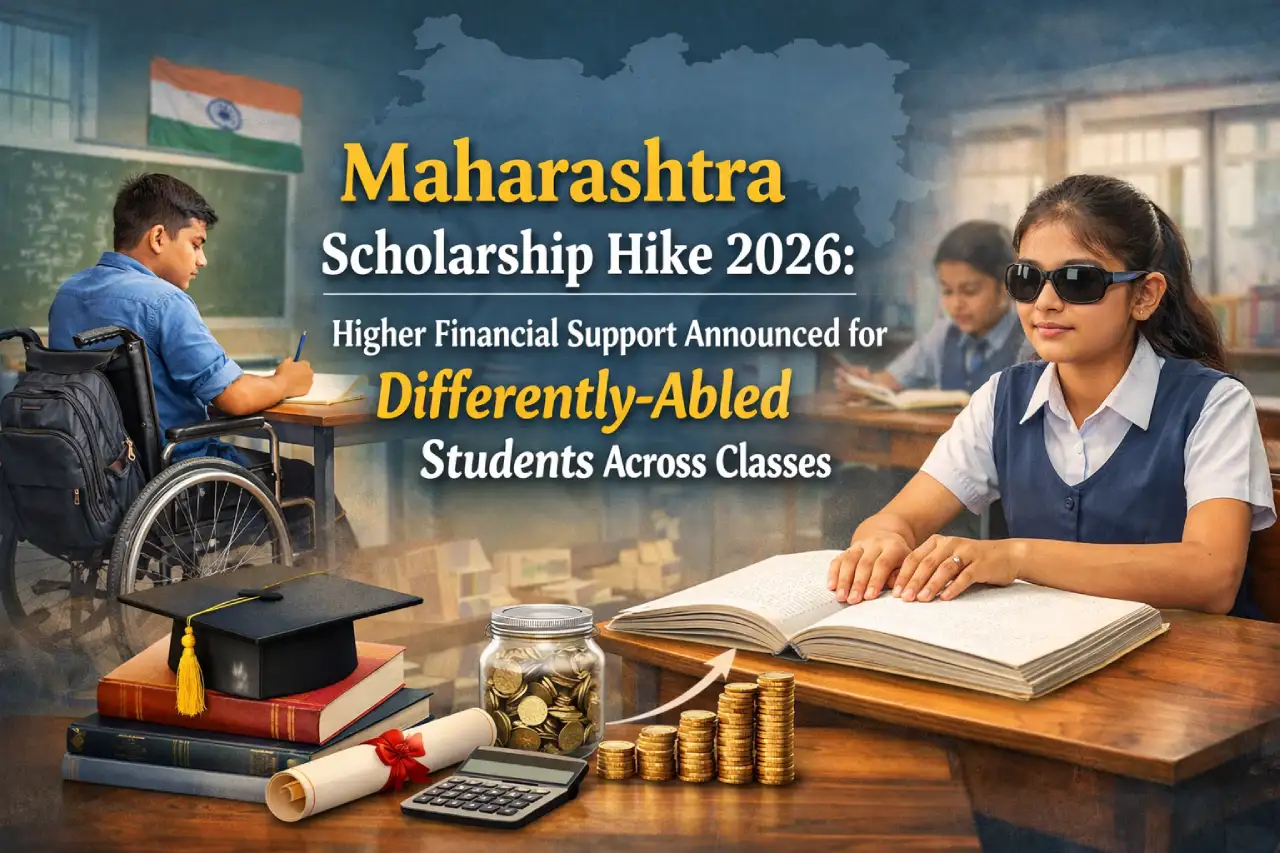
Maharashtra Scholarship Hike 2026: Higher Financial Support Announced for Differently-Abled Students Across Classes

Maharashtra Scholarship Hike 2026: Higher Financial Support Announced for Differently-Abled Students Across Classes

The Maharashtra government has approved a significant increase in scholarships for differently-abled students, aiming to provide better financial support for their education. The decision was taken in a cabinet meeting chaired by Chief Minister Devendra Fadnavis, where the state cleared a proposal to raise monthly scholarship amounts. This move is expected to benefit thousands of students across various school levels.

I am writing this because financial support plays a crucial role in ensuring equal educational opportunities, especially for students with special needs. Earlier, the scholarship amounts were quite low, which made it difficult for many families to manage expenses. This increase is not just about money—it reflects a stronger commitment towards inclusive education and support for differently-abled students in Maharashtra.

What Has Changed in the Scholarship Scheme

The government has introduced a major hike in monthly assistance.

  • Earlier scholarship ranged between Rs 100 to Rs 200
  • Now increased by Rs 500 to Rs 1000 depending on class
  • Total budget allocated: Rs 23.11 crore

This shows a clear shift towards better financial support.

New Scholarship Amounts (Class-wise)

Here is the revised scholarship structure:

ClassScholarship Amount
Std I to VIIIRs 500
Std IX and X (Residential)Rs 800
Std IX and X (Non-residential)Rs 600
Std XI and XII (Residential)Rs 1000
Std XI and XII (Non-residential)Rs 800

This structured increase ensures support at every stage of schooling.

Additional Benefits for Students

Apart from the monthly scholarship, extra benefits have also been included.

  • Blind students will receive an additional Rs 150
  • Study tour allowance up to Rs 1500 for Class XI and XII

These benefits help cover additional educational needs.

Why This Decision Matters

This step can have a strong positive impact.

  • Reduces financial burden on families
  • Encourages more students to continue education
  • Supports inclusive and equal learning opportunities
  • Improves access to resources and facilities

From my perspective, such initiatives can truly make education more accessible.

Focus on Inclusive Education

The government is clearly focusing on inclusivity.

  • Supporting differently-abled students at all levels
  • Ensuring financial assistance matches real needs
  • Promoting equal opportunities in education

This aligns with the broader goal of educational equity.

How Students Can Benefit

Students and parents should take note of:

  • Eligibility criteria under the scheme
  • Application process through schools or authorities
  • Required documents for availing benefits

It is important to stay updated to avoid missing out.
Leave a Comment

End of Article

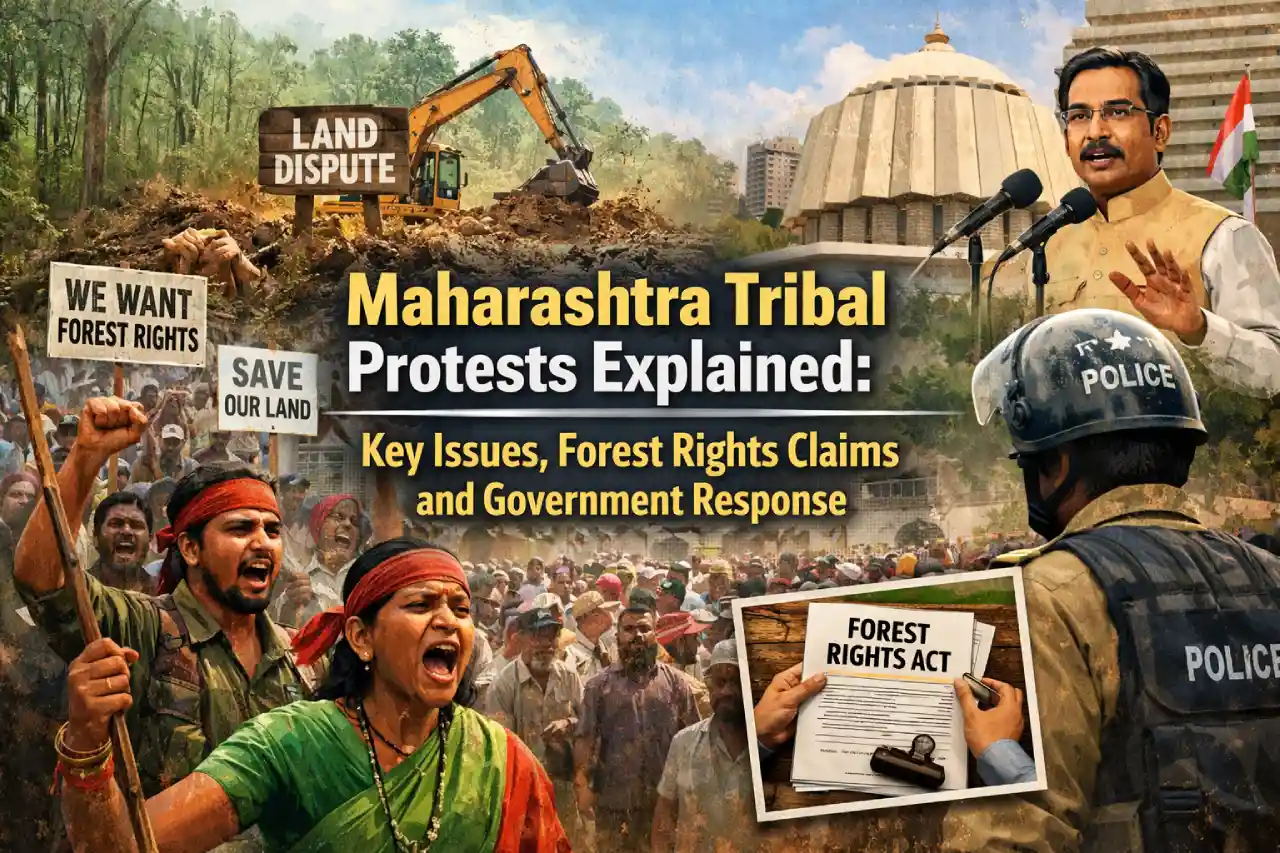
Maharashtra Tribal Protests Explained: Key Issues, Forest Rights Claims and Government Response

Maharashtra Tribal Protests Explained: Key Issues, Forest Rights Claims and Government Response

Tribal protests in Maharashtra, particularly in Nashik, have brought attention to long-pending issues related to forest rights and land claims. Responding in the Rajya Sabha, Union Minister of State Durgadas Uikey shared details about the reasons behind these protests. The concerns mainly revolve around delays and disputes in recognising forest land rights under the Forest Rights Act 2006.

I am writing this because such protests are not just about land—they reflect deeper issues of rights, identity, and access to resources for tribal communities. Many people may not fully understand why these protests happen, so it becomes important to break down the facts in a simple way. This issue also highlights how policy implementation on the ground can directly affect people’s lives.

What Are the Main Reasons Behind the Protests

According to the government, there are two key reasons:

  • Issues in verification and approval of forest rights claims
  • Disputes over the extent of land granted to claimants

These problems are linked to different sections of the Forest Rights Act.

Understanding Forest Rights Claims

The Forest Rights Act allows tribal communities to claim land and forest rights.

  • Individual Forest Rights (IFR) claims are filed by individuals
  • Community Forest Rights (CFR) relate to shared land use
  • Claims go through multiple verification stages

However, delays and rejections have led to dissatisfaction.

Pending Claims and Rejection Data

Here is the current situation:

ParticularsData
Total Pending IFR Cases14,726
Claims Pending6,158
Appeals Pending8,568
Rejection Rate (District Level)Around 30%

These numbers show the scale of the issue.

Why Processing Takes Time

Ideally, claims should be processed within 60 days.

  • Recommended claims may follow this timeline
  • Rejected claims go through appeal processes
  • Appeals can extend beyond six months

This delay has contributed to growing frustration.

Government’s Stand on Displacement

The Maharashtra government has clarified:

  • No forced displacement of tribal communities
  • Due process followed in all districts
  • Land matters fall under state jurisdiction

This statement aims to address concerns raised during protests.

Role of Gram Sabhas in Land Decisions

The government has emphasised community participation.

  • Gram Sabha consent is mandatory before land acquisition
  • Compensation rules updated in November 2025
  • Local bodies play a key role in decision-making

This ensures transparency in land-related matters.

Legal Safeguards Under the Forest Rights Act

The law includes provisions to protect rights.

  • Section 7: Action against violations of the Act
  • Section 8: Complaint process through Gram Sabha

These sections aim to ensure accountability.

Steps Taken by the Government

Efforts are being made to resolve pending issues.

  • State-level monitoring meetings conducted
  • District Collectors instructed to clear pending cases
  • Ongoing monitoring at TRTI Commissionerate level

The focus is on speeding up the process.

Why This Issue Matters

This situation highlights important concerns.

  • Rights of tribal communities over land and forests
  • Delays in implementation of welfare laws
  • Need for faster and fair decision-making
  • Importance of community participation

From my perspective, resolving such issues requires both administrative efficiency and sensitivity towards people’s needs.

Leave a Comment

End of Article

Loading more posts...

Important Video