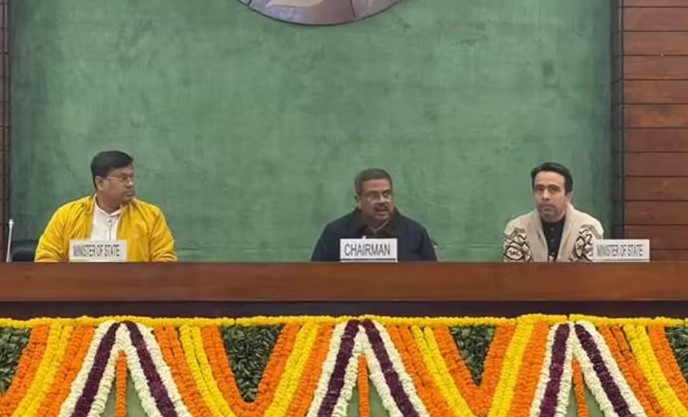
Maharashtra School Education Minister Dadaji Bhuse informed the state Assembly on Thursday that more than 89,000 CCTV cameras have already been installed across schools in the state. The government is carrying out the installation in phases, aiming to strengthen student safety, monitor activities on campus and improve accountability within school premises.
I am writing about this announcement because it reflects a major shift in how schools are approaching safety and supervision. Over the past few years, parents and teachers have raised concerns about student security, classroom monitoring and transparency in daily school operations. With CCTV coverage expanding, schools can now respond faster to incidents, prevent misconduct and create a more secure environment for students. At the same time, this development raises important points about infrastructure investment, maintenance responsibilities and how schools balance safety with privacy. By sharing these details in a clear and factual way, the aim is to help readers understand the scale of the project and why it matters for families across Maharashtra.
Key Highlights from the Minister’s Statement
During the Assembly session, the minister presented detailed information about the CCTV initiative. Some of the important points include:
- Over 89,000 CCTV cameras have been installed in government and government-aided schools
- More installations are underway as part of a larger phase-wise security plan
- The goal is to cover classrooms, corridors, entry points and playgrounds wherever possible
- The equipment is being monitored and maintained through a coordinated system involving schools and local authorities
According to the minister, the project is intended to create safer learning spaces and reduce incidents of misconduct or unauthorised entry into school campuses.
Why CCTV Installation Is Important
CCTV cameras in schools are becoming necessary due to several reasons. Here are a few major factors:
- Growing concerns about student safety during school hours
- Need for constant supervision in large schools with high student numbers
- Quick identification and response in case of emergencies
- Helping school authorities maintain discipline more effectively
- Building trust among parents who want transparency in school operations
Many schools in cities like Mumbai, Pune and Nagpur had partial CCTV systems earlier. The current state-wide project aims to make this coverage uniform and reliable.
Where Are the Cameras Being Installed?
The government is focusing on key locations within school premises to ensure maximum visibility and coverage. These include:
- Classrooms
- Main gates and secondary entry points
- Hallways and staircases
- Science labs and computer rooms
- Playgrounds and assembly areas
- Common rooms and administrative blocks
The priority areas are decided based on school size, student strength and security needs.
Expected Benefits for Students and Teachers
The installation of CCTV cameras is expected to bring several improvements in school functioning. Some expected benefits include:
- Safer environment for students, especially younger children
- Better monitoring of classroom teaching and activities
- Reduced chances of bullying or physical misconduct
- Support in resolving disputes or misunderstandings
- Increased accountability among staff and visitors
- Stronger emergency preparedness
Teachers may also feel more supported, as recorded footage can be helpful when reviewing incidents or evaluating processes.
How the Government Plans to Manage and Maintain the System
Installing cameras is only the first step. The government also has a plan for regular maintenance and monitoring. According to the minister, schools have been instructed to:
- Test the cameras regularly
- Report technical issues promptly
- Store footage safely for the required duration
- Ensure only authorised staff access the system
- Work with district offices for system upgrades when needed
This approach is meant to keep the security system functional over the long term, rather than letting cameras become inactive due to technical faults.