JOIN WHATSAPP
STORIES

Maharashtra Summer Vacation 2026 Announced: Schools to Close from May 2, Reopen on June 15

Maharashtra Summer Vacation 2026 Announced: Schools to Close from May 2, Reopen on June 15

The Maharashtra education department has officially announced the summer vacation schedule for the 2026 academic cycle. As per the latest directive, primary, secondary, and higher secondary schools affiliated with the State Board will begin their summer holidays from May 2, 2026. After the break, schools will reopen on June 15 for the new academic session 2026–27. This decision brings a uniform vacation and reopening schedule across the state, including regions like Vidarbha.

I am sharing this update because school calendars directly affect students, parents, and teachers, especially when it comes to planning holidays, travel, and academic preparation. Earlier, different regions followed slightly different reopening schedules, which often caused confusion. With this new uniform approach, it becomes easier for everyone to plan ahead. If you have school-going children or are part of the education system, this is something you should definitely be aware of.

Maharashtra School Summer Vacation 2026: Key Dates

Here are the important dates announced by the education department:

  • Summer Vacation Starts: May 2, 2026
  • Schools Reopen: June 15, 2026
  • Applicable To: All State Board schools (Primary, Secondary, Higher Secondary)

This schedule will be followed across Maharashtra to maintain consistency.

Why This Uniform Schedule Matters

The decision has been taken to ensure that all schools across the state follow the same academic calendar.

  • Earlier, regions like Vidarbha reopened schools later due to extreme heat
  • This often created differences in teaching schedules and exams
  • Now, a single reopening date ensures better coordination

This move is expected to bring more structure to the academic system.

Special Timings for Vidarbha Region

Even though the reopening date is now uniform, the government has made special arrangements for Vidarbha considering the heat conditions.

  • Schools will run from 7:00 AM to 11:45 AM
  • This timing will be followed from June 15 to June 29
  • Regular school timings will resume from June 30 onwards

This is a practical step to protect students from extreme weather.

Who Issued the Official Circular

The decision has been formally communicated through an official circular issued by:

  • Primary Education Director Sharad Gosavi
  • Director of Secondary Education Dr Mahesh Palkar

The circular has been sent to:

  • Divisional Deputy Directors
  • Zilla Parishad Education Officers
  • Education Inspectors

This ensures proper implementation across all districts.

What About Other Education Boards?

It is important to note that this schedule mainly applies to State Board schools.

  • Schools affiliated with other boards (CBSE, ICSE, etc.)
  • May follow their own academic calendar
  • They can decide vacation dates based on pre-planned schedules

So, parents should check directly with their respective schools if needed.

Changes Compared to Previous Years

In earlier years:

  • Vidarbha schools reopened 8–10 days later than other regions
  • This was mainly due to high temperatures

But in 2026:

  • A uniform reopening date (June 15) has been introduced
  • Only timing adjustments have been made instead of delaying reopening

This shows a more balanced and organised approach.

What Students and Parents Should Do

With the vacation dates now clear, here are a few practical steps:

  • Plan summer holidays in advance
  • Use the break for revision or skill development
  • Keep track of reopening date and school instructions
  • Be prepared for early morning school timings if in Vidarbha

Proper planning can make the transition smoother.
Leave a Comment

End of Article

Inside Maharashtra’s Zero Crime Village: Gym, Water ATM and Smart Living in Adachiwadi

Inside Maharashtra’s Zero Crime Village: Gym, Water ATM and Smart Living in Adachiwadi

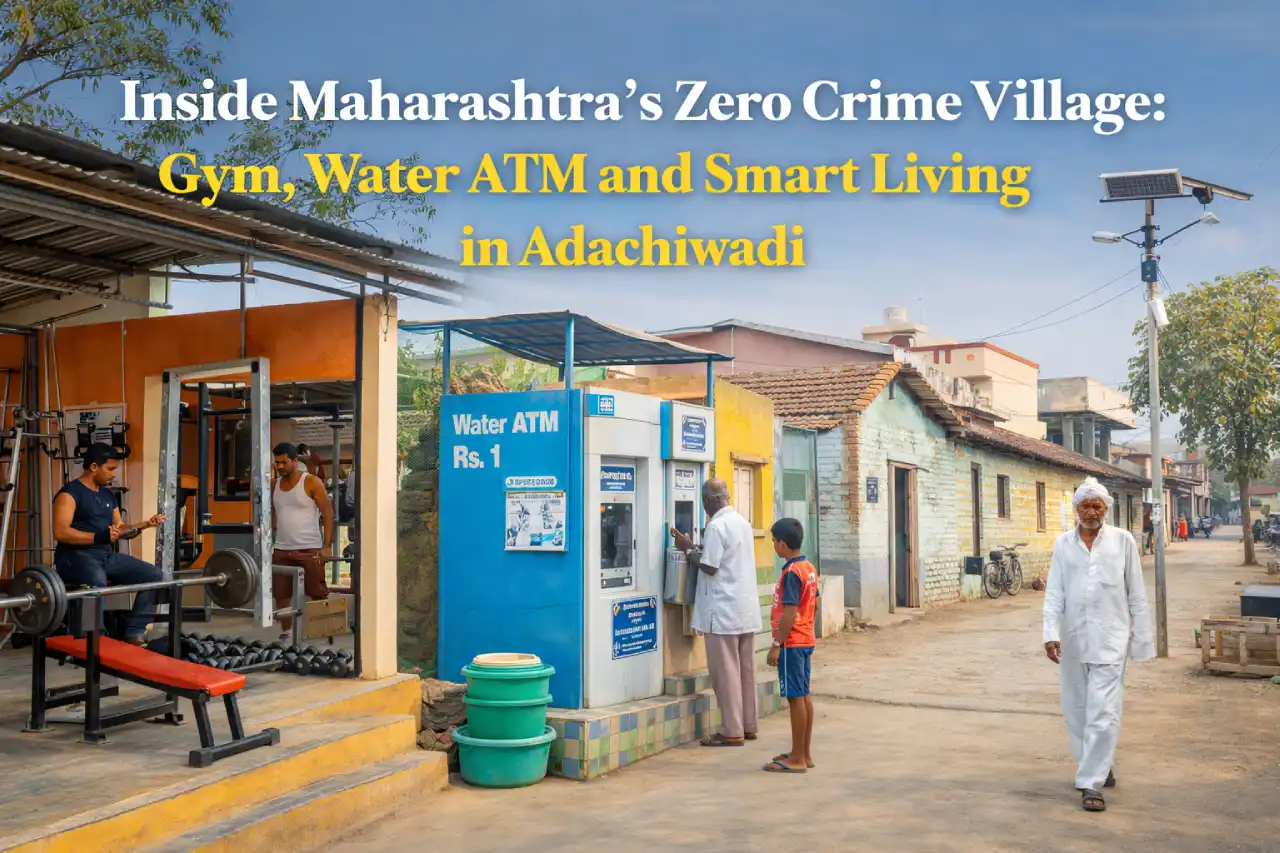
Tucked away in the Purandar taluka of Pune district, Adachiwadi is quietly rewriting what rural India can look like. Located around 250 kilometres from Mumbai, this small village has become a talking point for its clean streets, modern amenities and, most interestingly, its near-zero crime rate despite having no visible police presence. With facilities like a gym, water ATMs and tech-enabled classrooms, Adachiwadi is not just keeping up with the times—it is setting an example.

I am writing about this village because it challenges a common assumption that development only happens in cities. From what I have seen, places like Adachiwadi prove that strong community values can sometimes achieve what strict systems cannot. This story is important because it shows how collective responsibility, smart planning and local participation can transform even a small village into a model of progress.

A Village Built on Community Spirit

One of the most striking features of Adachiwadi is its strong sense of community.

  • Residents actively participate in daily cleanliness drives
  • People take collective responsibility for public spaces
  • Clean streets and organised waste management systems
  • Waste collection points even mapped on Google

During early mornings, villagers come together to clean their surroundings, showing how shared effort can create lasting impact.

Cleanliness That Stands Out

The village maintains a level of cleanliness that is rare even in urban areas.

  • Clearly marked waste disposal areas
  • Regular cleaning routines followed by residents
  • High awareness about hygiene and sanitation
  • Pride in maintaining a clean environment

From what I understand, this is not enforced by rules but by habit and mindset.

Gym Facilities in a Rural Setting

Adachiwadi also offers fitness facilities that are usually found in cities.

  • Well-equipped gym available in the village
  • Monthly membership fee around ₹300
  • Accessible to all age groups
  • Encourages a healthy lifestyle

This shows that modern amenities can exist even in rural areas when there is proper planning.

Water ATM: A Smart Solution

One of the most innovative features of the village is its water ATM system.

  • Provides clean drinking water to residents
  • Costs just 25 paise per use with a swipe card
  • Promotes responsible water usage
  • Ensures affordability and accessibility

This simple yet effective solution reflects forward-thinking at the grassroots level.

Education with a Modern Touch

Education in Adachiwadi is also evolving with the times.

  • Classrooms designed to be engaging and interactive
  • Students provided with tablets and smartwatches
  • Focus on digital learning and practical exposure
  • Efforts to match modern education standards

In my opinion, investing in education like this can shape the future of the village.

A Unique Approach to Values

The village places strong emphasis on moral and social values.

  • Murals on walls promoting civic sense and awareness
  • Community-based learning for children
  • Life lessons taught through real experiences
  • Focus on discipline and responsibility

One unique aspect is how children are taught important life lessons in unconventional settings, encouraging deeper understanding.

Zero Crime Without Police Presence

Perhaps the most surprising aspect of Adachiwadi is its low crime rate.

  • No regular police presence in the village
  • Strong trust among residents
  • Shared values and mutual respect
  • Community-driven conflict resolution

From what I have seen, this shows that social harmony can sometimes be the strongest form of security.

Digital Presence and Recognition

The village has also gained attention online.

  • Active social media presence
  • Millions of views on videos showcasing the village
  • Recognition for innovation and development
  • Inspiring other communities across India

This has helped bring Adachiwadi’s model to a wider audience.

What Makes Adachiwadi Different

Here is a quick summary of what sets the village apart:

FeatureHighlights
CleanlinessCommunity-led daily efforts
FacilitiesGym, water ATM, smart classrooms
EducationUse of digital tools
Crime RateNear zero without police
CommunityStrong values and cooperation

This combination makes Adachiwadi a unique example.

Why This Model Matters

Adachiwadi offers important lessons for other regions.

  • Development does not depend only on big cities
  • Community participation can solve many problems
  • Technology can be used effectively at grassroots level
  • Strong values can reduce social issues

I believe this model can inspire many villages across India.

Leave a Comment

End of Article

Loading more posts...

Important Video